Cold Plunge and Heart Rate: What Happens to Your Body During Immersion?
Published: July 16, 2025
Last updated: January 25, 2026

Heart rate is one of the most immediate and noticeable physiological changes during cold plunge therapy. The moment cold water contacts the skin, the cardiovascular system reacts rapidly—often before conscious control of breathing is established.
Understanding cold plunge heart rate responses helps clarify what is normal, what signals adaptation, and when caution is warranted. This guide explains what happens to your heart rate during immersion, why those changes occur, and how they evolve with consistent exposure.
Heart rate responses during cold immersion are influenced by multiple interacting systems rather than a single mechanism. Temperature, breathing behavior, immersion depth, and nervous system tone all shape how the cardiovascular system reacts in the first seconds and minutes of exposure.
Why Heart Rate Spikes at First Contact

During initial immersion, most people experience a sharp increase in heart rate. This response is driven by the body’s acute cold shock reaction.
- Cold receptors in the skin send rapid signals to the brain
- The sympathetic nervous system activates instantly
- Heart rate and blood pressure rise to maintain core temperature
According to research summarized by NIH, this response is protective, prioritizing oxygen delivery and circulation to vital organs during sudden cold exposure.
This initial spike is best understood as a reflexive survival response rather than a measure of cardiovascular fitness. The body reacts first, then evaluates the environment. As a result, heart rate may rise before the individual has time to consciously regulate breathing or posture.
Several variables influence how pronounced this spike becomes:
- Water temperature: colder temperatures produce faster and higher spikes.
- Speed of entry: rapid immersion amplifies the cold shock response.
- Surface area exposed: full-body immersion increases sensory input.
- Prior exposure: individuals accustomed to cold often show reduced peak responses.
From a decision-making standpoint, a large initial heart rate spike is not automatically a problem. What matters more is whether heart rate begins to stabilize as the session continues and whether breathing becomes controlled within the first minute.
Another factor influencing the heart rate spike is the sudden activation of peripheral cold receptors concentrated in the skin. These receptors respond within milliseconds, sending afferent signals to the brainstem that bypass conscious processing. As a result, heart rate acceleration often precedes any deliberate response.
This explains why even individuals who expect the cold sensation still experience an initial cardiovascular surge. Anticipation alone does not fully blunt the reflex. Over time, repeated exposure may reduce the amplitude of the response, but it rarely eliminates it entirely.
From a practical standpoint, the goal during this phase is not to suppress the spike, but to prevent escalation. Allowing the heart rate to peak briefly and then settle is generally more sustainable than attempting to force immediate control.
Breathing Patterns and Their Effect on Heart Rate

The involuntary gasp reflex often accompanies the initial heart rate spike. Rapid or shallow breathing can further elevate cardiac demand.
Controlled breathing helps moderate heart rate by reducing sympathetic dominance. Clinical overviews from the Cleveland Clinic emphasize slow nasal breathing as a stabilizing factor during cold exposure.
When breathing remains fast and irregular, the cardiovascular system receives ongoing stress signals, which can prolong elevated heart rate. This effect is not caused by the cold itself, but by the body interpreting breathing patterns as a sign of distress.
In contrast, slowing the exhale and maintaining a steady rhythm can facilitate earlier parasympathetic engagement. Over repeated sessions, many individuals notice that breathing control improves first, followed by faster heart rate stabilization.
This relationship highlights an important practical insight: heart rate during cold plunge is not fully autonomous. It is strongly influenced by voluntary behaviors, particularly breathing, which makes technique as important as temperature selection.
Breathing patterns act as a feedback loop during cold immersion. Rapid breathing reinforces sympathetic activation, while controlled breathing provides a counter-signal that promotes regulation. This interaction is one reason heart rate can change noticeably within seconds of breath control.
In early sessions, many individuals underestimate how strongly breathing influences cardiac load. Even modest improvements in breath pacing can shorten the duration of elevated heart rate without altering water temperature or immersion time.
Because breathing is voluntary, it becomes a primary decision lever. If breathing cannot be stabilized, reducing intensity or exiting early is typically a safer option than attempting to push through uncontrolled respiratory patterns.
The Shift Toward Parasympathetic Control

After the initial shock phase, heart rate often begins to decline—even below baseline—for many individuals. This reflects parasympathetic (vagal) activation.
This calming response is associated with improved heart rate variability, a marker of autonomic balance discussed in peer-reviewed studies indexed on PubMed.
This phase represents a regulatory transition rather than a complete absence of stress. The body remains cold-stressed, but nervous system control shifts from emergency signaling to managed adaptation.
The timing of parasympathetic activation varies. Newer users may experience a delayed or incomplete shift, while experienced individuals often report a distinct settling phase once breathing is controlled and the cold stimulus becomes predictable.
Monitoring whether heart rate trends downward during this phase provides a useful internal checkpoint. If heart rate remains elevated and breathing remains strained throughout the session, it may indicate that the exposure intensity exceeds current tolerance.
Parasympathetic engagement does not mean the body is no longer under stress. Instead, it reflects a shift from emergency signaling to managed exposure. Heart rate may remain elevated compared to resting levels, but it becomes steadier and more predictable.
Some individuals notice a subjective sense of calm during this phase despite ongoing cold discomfort. This dissociation between sensation and cardiovascular response is one marker that regulatory systems are functioning effectively.
If this shift does not occur within a session, it may indicate that exposure intensity exceeds current adaptive capacity. In such cases, reducing duration or increasing water temperature can help reestablish a regulatory response.
How Blood Vessel Changes Influence Heart Rate

Cold exposure causes peripheral vasoconstriction, redirecting blood toward the core. This redistribution alters cardiac workload.
As vasodilation occurs post-immersion, heart rate typically normalizes. These vascular shifts explain why cold plunge feels intense initially but stabilizes quickly with adaptation.
Vasoconstriction increases resistance in smaller blood vessels, which can temporarily raise blood pressure. The heart compensates by adjusting rate and contractility to maintain effective circulation.
During rewarming, vasodilation reverses this process. Heart rate may briefly fluctuate as circulation redistributes, especially if standing or moving abruptly. Gradual rewarming and controlled movement help smooth this transition.
Vasoconstriction also alters how pressure is distributed throughout the vascular system. As peripheral vessels narrow, central circulation becomes more tightly regulated, which can feel subjectively intense even when objective heart rate changes are modest.
These circulatory adjustments are transient and typically reverse quickly once rewarming begins. However, abrupt transitions—such as standing quickly after immersion—can momentarily challenge blood pressure regulation.
For this reason, slow transitions into and out of the plunge are often recommended as a conservative practice, particularly for individuals new to cold exposure.
How Heart Rate Response Changes With Consistency

With repeated exposure, many people experience:
- Lower initial heart rate spikes
- Faster parasympathetic engagement
- Improved tolerance to cold stress
This adaptation aligns with broader cardiovascular conditioning effects explored in cold exposure literature summarized by the Mayo Clinic.
Importantly, adaptation reflects improved nervous system regulation rather than reduced physiological demand. The cold remains a stressor, but the body learns to respond more efficiently.
Consistency plays a larger role than intensity. Short, repeatable exposures often produce steadier adaptation patterns than infrequent, extreme sessions that overwhelm regulatory capacity.
Adaptation is not linear. Some sessions may feel easier, while others feel more challenging despite similar conditions. Variability in sleep, stress, nutrition, and overall workload can all influence heart rate responses on a given day.
Tracking general trends rather than isolated sessions provides a clearer picture of adaptation. A gradual reduction in peak heart rate or faster post-immersion recovery often reflects improved autonomic regulation.
If responses become progressively more intense rather than more stable, it may be a signal to reduce overall exposure frequency or intensity rather than increase it.
Does Athletic Conditioning Change the Heart Rate Response?
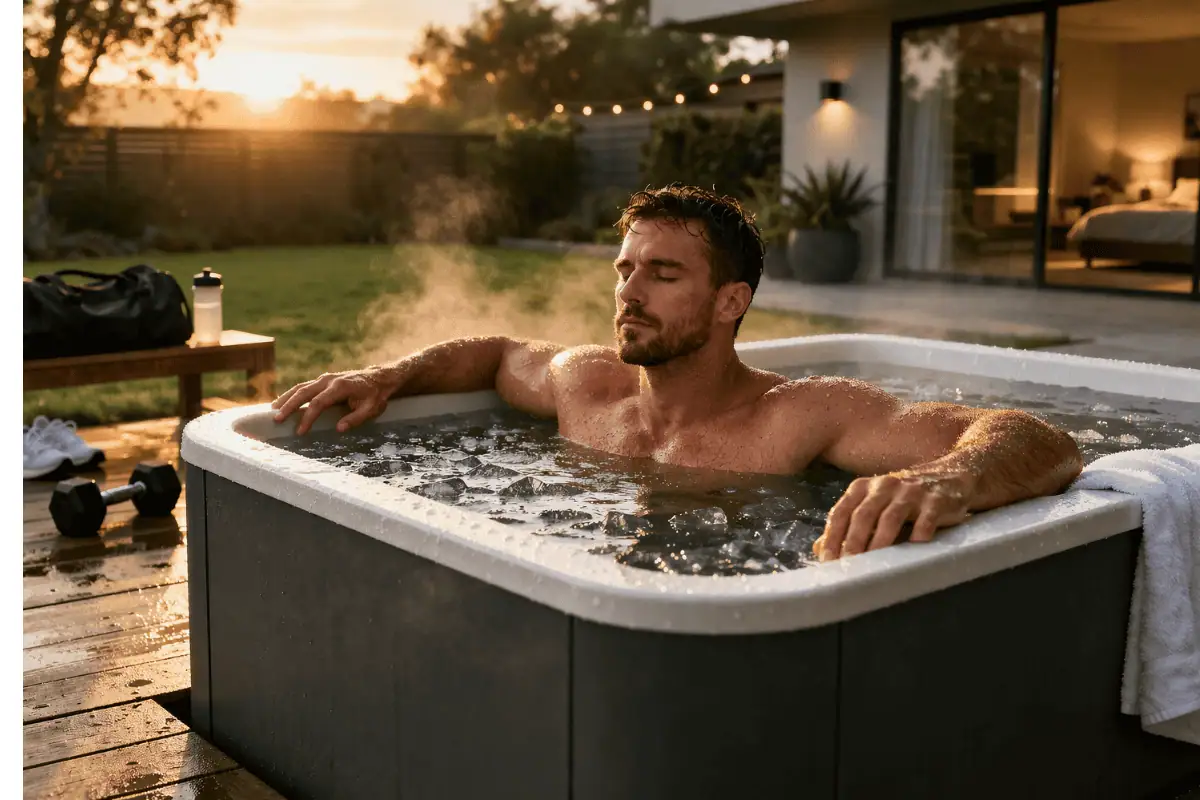
Athletes often show quicker heart rate recovery due to baseline cardiovascular conditioning. However, the initial spike still occurs regardless of fitness level.
This distinction explains why cold plunge is used for recovery rather than endurance training, as discussed in our cold plunge benefits guide.
While conditioning improves recovery efficiency, it does not eliminate cold shock. Even highly trained individuals may experience strong initial responses if entry is abrupt or water temperature is very low.
This reinforces the value of conservative protocols across all populations, with adjustments based on recovery capacity rather than perceived toughness.
Athletes may also be more accustomed to physiological discomfort, which can influence perception without necessarily altering underlying cardiac responses. This distinction matters when interpreting how “easy” or “hard” a session feels.
Because training load already places stress on the cardiovascular and nervous systems, cold plunge exposure is often positioned as a recovery tool rather than an additional stressor. Heart rate behavior can help guide whether that balance is being achieved.
If heart rate remains elevated long after immersion in highly trained individuals, it may indicate insufficient recovery rather than insufficient stimulus.
When Heart Rate Changes Require Caution
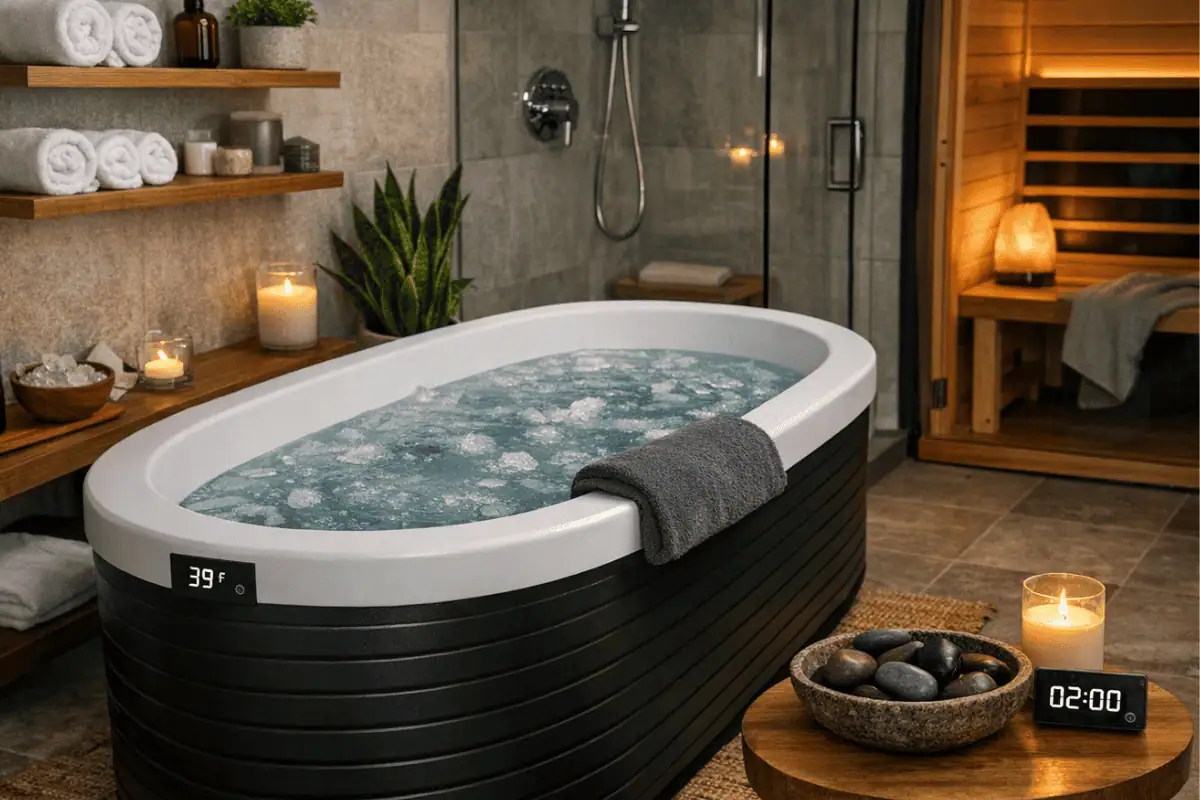
While transient heart rate changes are normal, certain conditions warrant caution:
- Known cardiovascular disease
- Uncontrolled hypertension
- History of arrhythmias
These considerations are covered more fully in our cold plunge safety & usage resource.
Individuals with these risk factors should approach cold exposure conservatively and consider professional guidance before establishing a regular routine.
Cold Plunge vs Exercise Heart Rate Response
Unlike exercise, cold plunge increases heart rate without increased metabolic demand. This distinction explains why cold exposure feels intense but does not replace cardiovascular training.
During exercise, heart rate rises to support increased oxygen delivery to working muscles. In cold immersion, heart rate elevation reflects autonomic signaling rather than energy expenditure.
For broader context, explore how cold exposure compares with heat stress in our cold plunge vs sauna comparison.
Understanding this difference helps prevent misinterpretation. A high heart rate during cold plunge does not equate to cardiovascular training stimulus and should not be treated as such.
This distinction also explains why heart rate metrics from cold plunge should not be interpreted using exercise-based frameworks. High heart rate during cold immersion does not equate to cardiovascular conditioning stimulus.
Instead, heart rate behavior during cold exposure reflects stress regulation capacity. The key indicators are how quickly heart rate stabilizes and how smoothly it returns to baseline afterward.
Viewing cold plunge as a regulatory challenge rather than a conditioning workout helps align expectations with physiological reality.
Using Wearables to Track Heart Rate
Wearable devices can help users understand personal responses to cold immersion. Tracking trends over time—not single sessions—offers the most insight.
Patterns such as faster recovery or lower peak heart rate may reflect adaptation, while persistent elevations may indicate excessive stress.
For readers considering equipment choices, our Best Cold Plunge Tubs Buyer’s Guide explains system features that support controlled exposure.
Why Cold Plunge Feels More Intense Than It Is
Perceived heart pounding often exceeds actual measured heart rate. This mismatch is driven by heightened sensory input and stress hormones.
Mental framing and breathing control reduce perceived intensity, aligning subjective experience with physiological reality.
Recognizing this distinction can help prevent unnecessary escalation during early sessions.
Key Points to Remember About Heart Rate
- An initial heart rate spike is normal
- Parasympathetic activation often follows
- Adaptation occurs with consistent exposure
- Safety screening matters for at-risk individuals
Approaching cold plunge with structured expectations and conservative progression supports safer long-term use.
Understanding Heart Rate Makes Cold Plunge Safer
Cold plunge heart rate changes reflect the body’s built-in stress response and recovery mechanisms. By understanding what is normal and how adaptation unfolds, users can approach cold immersion with greater confidence and safety.
If you are exploring long-term cold exposure, reviewing system options and usage frameworks can help align practice with your goals.
Explore Cold Plunge Systems
See our full comparison of home cold plunge setups and buying considerations. View Buyer’s Guide →
