
Cold Plunge and Metabolism: Can Ice Baths Speed Up Your Calorie Burn?
Published: August 24, 2025
Last updated: January 29, 2026

Interest in cold plunge metabolism has grown as cold water immersion has moved beyond recovery and mental resilience into broader conversations about fat loss, energy expenditure, and metabolic health. Ice baths are often described online as a way to “boost calorie burn” or “hack metabolism,” but these claims are frequently simplified or overstated.
This article examines what actually happens to metabolism during and after cold plunge exposure. We’ll explore how the body responds to cold stress, what research says about calorie burn and brown fat activation, and where expectations should remain conservative. The goal is clarity—not hype—so you can understand how cold plunge fits into a realistic metabolic health strategy.
If you’re working through multiple protocols and want to compare approaches, you can browse the full library in our Blog Index. If you have a specific setup question (space, temperature control, or safety constraints), you can reach us via the Contact page.
What Metabolism Really Means (and Why It’s Often Misunderstood)
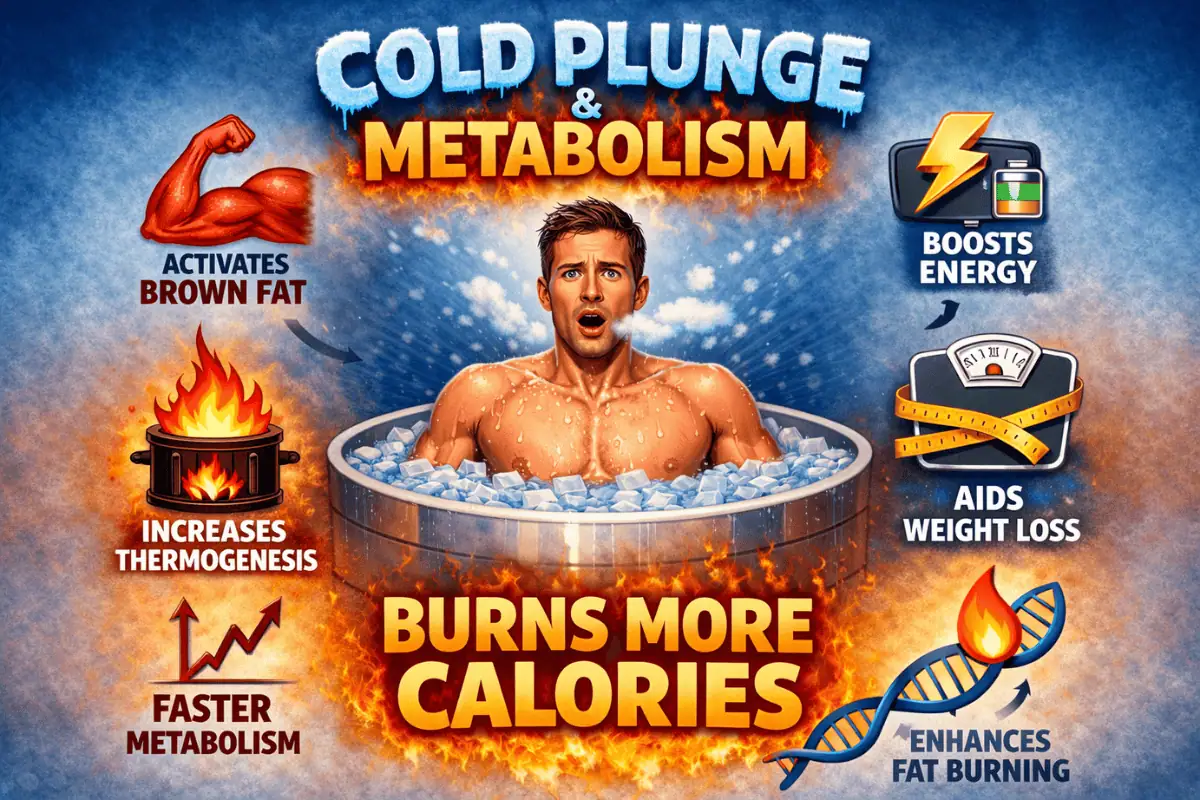
Metabolism refers to the total set of chemical processes that allow your body to convert food and stored energy into usable fuel. It includes resting metabolic rate, activity-related energy expenditure, and adaptive responses to environmental stressors like temperature.
When people talk about “boosting metabolism,” they are usually referring to a temporary increase in energy expenditure. Cold exposure does influence metabolic activity, but it does so through specific physiological mechanisms rather than permanently raising calorie burn.
Understanding this distinction is important. Cold plunge does not override diet, muscle mass, or long-term activity patterns. Instead, it introduces a short-lived metabolic demand that may contribute modestly to total energy expenditure over time.
The Immediate Metabolic Response to Cold Exposure

When you enter cold water, your body rapidly shifts into a defensive state designed to preserve core temperature. This response is driven primarily by the nervous system and includes vasoconstriction, increased breathing, and elevated heart rate.
These changes require energy. Muscles tense, respiration increases, and internal processes work harder to maintain thermal balance. As a result, metabolic rate rises temporarily during cold exposure.
According to research summarized by the National Institutes of Health, cold-induced thermogenesis is a well-documented phenomenon. However, the magnitude and duration of this increase depend heavily on water temperature, immersion time, and individual adaptation.
It’s also worth noting that water pulls heat from the body far faster than air. That’s why cold water immersion often produces a stronger thermoregulatory response than simply walking outside in winter weather. The same “number” on a thermometer can feel dramatically different depending on whether you are submerged, moving, or wearing insulation.
Cold-Induced Thermogenesis: How the Body Generates Heat

Cold-induced thermogenesis refers to the production of heat in response to cold exposure. This process occurs through two main pathways: shivering thermogenesis and non-shivering thermogenesis.
Shivering involves rapid, involuntary muscle contractions that increase energy use. Non-shivering thermogenesis relies on specialized fat tissue and cellular mechanisms to generate heat without visible movement.
Cold plunge exposure can activate both pathways, particularly in colder temperatures. However, as the body adapts, shivering decreases and non-shivering mechanisms become more prominent.
A helpful way to think about this is “muscle heat” versus “cellular heat.” Shivering thermogenesis is essentially the body’s fast, blunt tool—turning on muscular work to generate warmth. Non-shivering thermogenesis is more targeted, relying on hormonal and cellular signaling (often linked to sympathetic activation) that increases heat production without overt shaking.
Brown Fat Activation and Its Role in Metabolism

Brown adipose tissue, commonly known as brown fat, plays a unique role in cold-related metabolism. Unlike white fat, which stores energy, brown fat burns energy to produce heat.
Cold exposure has been shown to activate brown fat, increasing glucose and fatty acid uptake. A review in PubMed highlights that repeated cold exposure may enhance brown fat activity, particularly in individuals who are not chronically exposed to cold.
While this mechanism is metabolically interesting, it’s important to note that total brown fat volume in adults is relatively small. Its contribution to daily calorie burn is measurable but modest.
Brown fat activation is also not uniform across people. Age, body composition, baseline cold exposure, and even habitual indoor temperature can influence how much thermogenic tissue is present and how responsive it is. Some individuals may have more detectable brown fat activity, while others may rely more heavily on shivering or behavioral warming (clothes, heaters, hot showers) to restore comfort.
Does Cold Plunge Actually Burn Calories?

Cold plunge does increase calorie expenditure during and shortly after exposure. Studies estimate that cold-induced energy expenditure may rise by tens to a few hundred calories depending on conditions.
However, these increases are transient. Once body temperature stabilizes, metabolic rate returns toward baseline. There is no strong evidence that cold plunge alone leads to sustained, long-term increases in resting metabolic rate.
The Cleveland Clinic emphasizes that cold exposure should not be viewed as a primary weight loss tool. Instead, it may complement other habits that support metabolic health.
In other words, cold plunge can contribute to total daily energy expenditure—but the effect is usually best thought of as a small addition, not a dominant driver. Many people will see more reliable metabolic impact from preserving muscle mass (resistance training) and increasing non-exercise movement across the day.
Why Metabolic Effects Change as You Adapt

With repeated cold exposure, the body becomes more efficient at maintaining temperature. This adaptation reduces the intensity of the stress response and, consequently, the metabolic demand.
As adaptation occurs, shivering decreases and heart rate spikes become less pronounced. While brown fat activity may improve, overall calorie burn during each session often declines.
This adaptive process is normal and beneficial for tolerance and safety, but it also means that cold plunge should not be expected to continuously increase metabolic output over time.
From a metabolism perspective, adaptation can look like “less work per session.” If your body loses less heat or handles cold more efficiently, it may need less shivering and less acute sympathetic activation to maintain core temperature. That can mean lower energy expenditure during a given plunge, even though the practice may still have value for resilience and recovery.
Cold Plunge, Appetite, and Energy Balance

Some individuals report appetite changes following cold exposure. These effects may be mediated by hormonal shifts involving norepinephrine and cortisol.
Research has not established a consistent appetite-suppressing effect from cold plunge. In some cases, increased energy expenditure may actually lead to compensatory hunger later in the day.
From a metabolic perspective, total energy balance over time remains the dominant factor. Cold plunge does not bypass the body’s regulatory systems that govern hunger and satiety.
A useful practical lens is: if cold plunge makes you feel more alert and improves routine consistency, it may indirectly support better nutrition decisions for some people. But if it reliably increases hunger, it may require more deliberate meal planning. Either way, it’s not a “free calorie burn” scenario—your body tends to protect energy balance over time.
Metabolism vs Fat Loss: Setting Realistic Expectations

Increased metabolic activity does not automatically translate to fat loss. Fat loss requires a sustained energy deficit, which is influenced primarily by diet and physical activity.
Cold plunge may support metabolic flexibility and insulin sensitivity, but it should be viewed as a supporting practice rather than a standalone solution.
For a broader overview of how cold exposure fits into recovery and health goals, see our Cold Plunge Benefits page.
It can also help to separate “metabolic benefits” into categories. Some outcomes are direct (short-term thermogenesis and heat production). Others are indirect (better adherence to a recovery routine, improved perceived resilience, or improved willingness to train consistently). Those indirect effects can matter over months, but they are not guaranteed and should not be framed as a predictable fat-loss mechanism.
Who May Benefit Most from Cold-Related Metabolic Effects

Certain populations may experience more noticeable metabolic responses to cold plunge, particularly those who are not chronically exposed to cold.
- Individuals new to cold exposure
- Athletes using cold for recovery
- People interested in metabolic resilience rather than weight loss
Even in these groups, benefits should be framed in terms of resilience and adaptation, not rapid changes in body composition.
Safety Considerations When Using Cold for Metabolic Stress

Cold exposure places stress on the cardiovascular and nervous systems. Individuals with metabolic or cardiovascular conditions should approach cold plunge cautiously.
The Mayo Clinic advises that sudden cold exposure can raise blood pressure and heart rate, particularly in unadapted individuals.
For guidance on safe exposure, visit our Cold Plunge Safety & Usage page.
If your primary reason for cold plunge is metabolic curiosity, it is still wise to start with conservative temperature and time parameters and allow adaptation to build gradually. The metabolic mechanisms remain present even at milder intensities, and conservative exposure is typically easier to sustain long-term.
How Cold Plunge Fits Into a Broader Metabolic Strategy
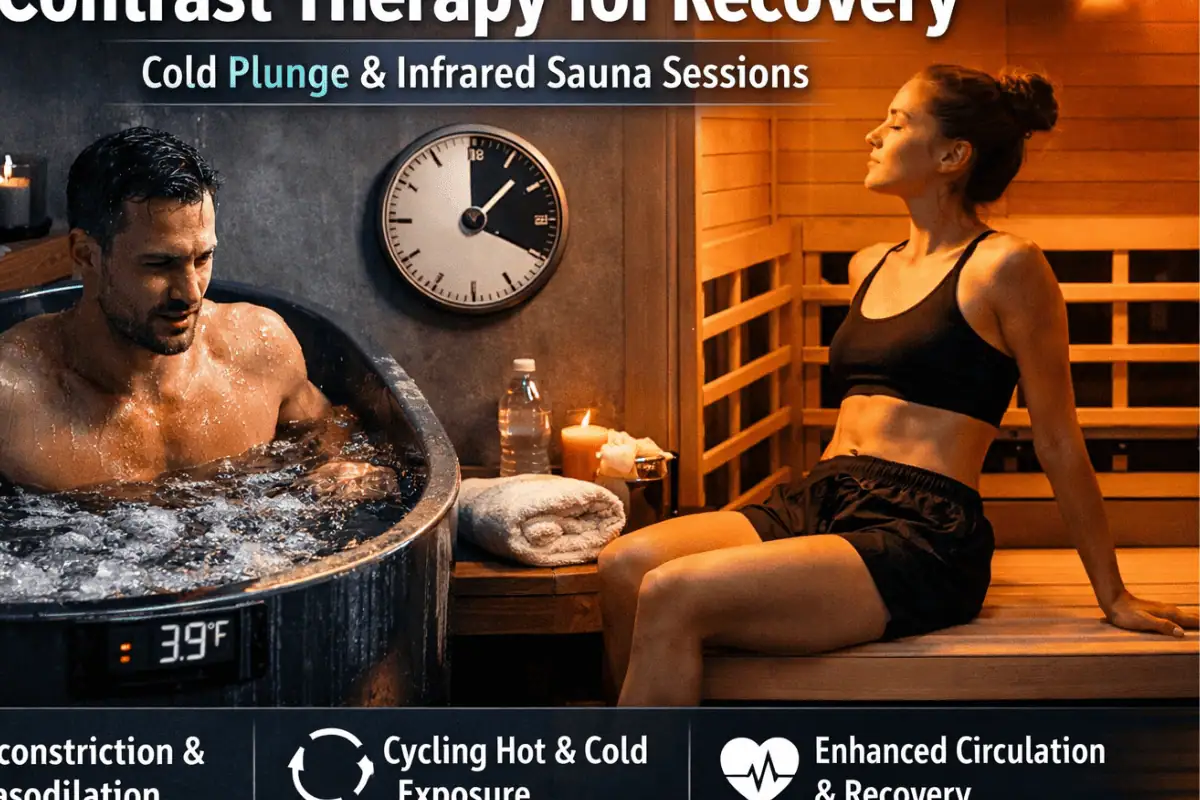
Cold plunge can complement strength training, aerobic activity, and nutritional strategies that support metabolic health. Its value lies in stress adaptation rather than calorie counting.
When combined with consistent exercise and adequate nutrition, cold exposure may enhance recovery and resilience, indirectly supporting metabolic consistency.
If you’re exploring equipment options, our Best Cold Plunge Tubs Buyer’s Guide offers a structured overview.
A practical “fit” test is whether cold plunge supports your baseline habits. If it helps you maintain a steady training schedule, improves perceived recovery, or supports a consistent routine, it can be a useful part of a broader strategy. If it becomes an extreme stressor that you dread or that disrupts sleep and recovery, the protocol may need to be adjusted.
Conclusion: Can Cold Plunge Speed Up Your Metabolism?
Cold plunge does increase metabolic activity temporarily through cold-induced thermogenesis and nervous system activation. Brown fat involvement adds scientific interest, but total calorie burn remains modest and short-lived.
Rather than a metabolic shortcut, cold plunge is best viewed as a resilience-building practice that may support overall health when paired with foundational habits. For next steps, explore our Buyer’s Guide to understand how different systems support safe, consistent cold exposure.
