
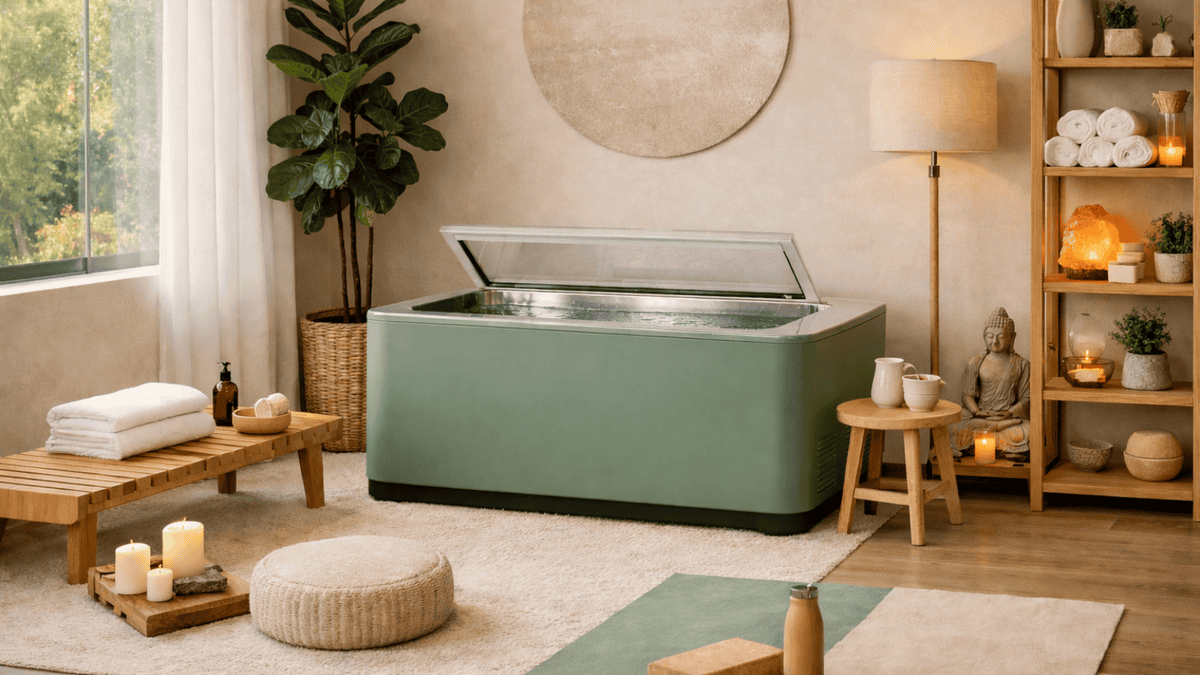
Cold plunge therapy has moved from elite athletic facilities into homes, garages, and backyard wellness spaces. What once meant filling a bathtub with ice now includes purpose-built cold plunge tubs designed for controlled temperatures, repeatable exposure, and improved sanitation.
However, not all cold plunge tubs are built for the same type of user. Differences in cooling systems, filtration, maintenance requirements, electrical needs, and safety features can dramatically affect whether a tub becomes a sustainable part of your routine—or an expensive piece of unused equipment.
This 2025 Buyer’s Guide to the best cold plunge tubs is written for readers who want conservative, evidence-based guidance. Rather than hype or extreme claims, the goal is to help you understand what actually matters for long-term use: cardiovascular safety, temperature stability, ease of cleaning, reliability, installation reality, and total cost of ownership.
Cold water immersion is a real physiological stressor. Authoritative medical sources such as the Cleveland Clinic emphasize both potential benefits and the importance of safety considerations, particularly for individuals with cardiovascular conditions or other underlying health concerns. This guide is structured to reduce unnecessary risk by focusing on practical decision-making rather than trend-driven enthusiasm.
Throughout this guide, you’ll find clear explanations of cold plunge types, buying frameworks based on real-world constraints, and side-by-side comparisons of leading options. When appropriate, we also reference trusted medical and scientific sources to support conservative recommendations.
If you’re looking for a shortcut to the top options, you can also explore our full comparison on the Buyer’s Guide overview or review the science-backed benefits on our Cold Plunge Benefits page.
Looking for a safe starting point?
This guide prioritizes usability, safety, and long-term ownership—not extreme cold or viral trends. Continue to the full Buyer’s Guide →

What a Cold Plunge Tub Is—and Why That Definition Matters
From a buyer’s standpoint, a cold plunge tub is not simply a container that holds cold water. It is a system designed to create controlled, repeatable cold exposure. That distinction matters because the physiological effects of cold immersion depend heavily on temperature consistency, exposure duration, and safety controls.
Many people first experience cold exposure through improvised methods—ice baths, stock tanks, or cold showers. While these approaches can deliver brief cold stress, they lack the stability and predictability required for consistent use over time. A purpose-built cold plunge tub is designed to reduce variability so that exposure can be repeated safely without constant manual intervention.
At a minimum, a true cold plunge tub integrates:
- A method of cooling water to a defined temperature range
- A structure designed for partial or full-body immersion
- Basic insulation to slow temperature loss
- A sanitation strategy to limit bacterial growth
This distinction is especially important because cold water immersion triggers an immediate sympathetic nervous system response. According to medical guidance from the Cleveland Clinic, cold exposure causes rapid changes in breathing patterns, heart rate, and blood vessel constriction, which is why uncontrolled or excessively cold exposure can carry risk for certain individuals.
When a tub lacks stable temperature control or clear safety boundaries, users may unknowingly expose themselves to colder water or longer durations than intended. Over time, this increases the likelihood of adverse responses such as dizziness, breath-holding, or excessive cardiovascular strain.
Well-designed cold plunge tubs aim to reduce those risks by allowing users to:
- Set a target temperature and maintain it
- Repeat sessions with predictable intensity
- Limit exposure duration without guesswork
This is why not all cold plunge tubs should be evaluated on appearance or price alone. The underlying system—how water is cooled, circulated, and maintained—determines whether a tub supports safe, long-term use or becomes an inconsistent, high-maintenance setup.
Later in this guide, we’ll break down the major types of cold plunge systems and explain which designs align best with different usage patterns. If you want a broader understanding of how cold exposure affects the body, you can also review our science-focused overview on the Cold Plunge Benefits page.
For readers interested in deeper safety considerations, the Cleveland Clinic provides a conservative overview of cold plunge risks and precautions, emphasizing that cold immersion is not appropriate for everyone and should be approached thoughtfully.
Source: Cleveland Clinic — Cold Plunges and Ice Baths: Benefits and Safety Considerations.

Cold Plunge Tub Types: Understanding the Major Categories
Cold plunge tubs are often marketed as a single category, but in practice they fall into several distinct design types. Each category carries different tradeoffs in temperature control, maintenance burden, space requirements, and long-term reliability. Understanding these categories early helps prevent mismatches between expectations and real-world use.
Most cold plunge tubs on the market today can be grouped into four primary types:
- Ice bath–style tubs (manual ice or passive cooling)
- Chiller-based systems
- Inflatable or portable tubs
- Premium integrated cold plunge tubs
Ice Bath and Passive Cooling Tubs
These setups rely on adding ice or using naturally cold water to reduce temperature. They are often the most affordable entry point but require ongoing manual effort. Temperature consistency is difficult to maintain, and sessions can vary significantly depending on ambient conditions.
Because temperature is not regulated automatically, users may unintentionally expose themselves to colder water than planned. Over time, the inconvenience of sourcing ice and monitoring temperature often leads to inconsistent use or abandonment.
Chiller-Based Cold Plunge Systems
Chiller systems use an external or integrated cooling unit to actively reduce and maintain water temperature. These systems offer far greater consistency than ice baths and are better suited for regular use.
However, they introduce new considerations such as electrical requirements, noise, space for ventilation, and ongoing maintenance of pumps and filters. Buyers should evaluate whether their home setup can support these needs before committing.
Inflatable and Portable Cold Plunge Tubs
Inflatable tubs prioritize portability and low upfront cost. They are often used by people experimenting with cold exposure or those with limited space. While convenient, they typically lack insulation and advanced sanitation, making them less suitable for frequent or long-term use.
Temperature stability in these tubs is highly dependent on environmental conditions, which can limit predictability and comfort over time.
Premium Integrated Cold Plunge Tubs
Premium tubs combine insulation, built-in cooling, circulation, and filtration into a single unit. These systems are designed for consistent temperature control and reduced daily setup effort.
The tradeoff is higher upfront cost and more permanent installation requirements. For users planning regular cold plunge sessions, these systems often provide the most predictable experience but require careful consideration of space, power access, and long-term maintenance.
Medical guidance from institutions such as the Mayo Clinic emphasizes that gradual, controlled exposure is safer than extreme or unpredictable cold immersion. Systems that support consistent temperature control can help users adhere to conservative exposure practices.
As you continue through this guide, we’ll compare these categories in more detail and highlight which types align best with different goals, budgets, and living situations. For readers focused on safety and adaptation, you may also want to review our Cold Plunge Safety & Usage overview.
To explore how these categories translate into real products, see our detailed roundups:

How Cold Is “Cold Enough”? Temperature Ranges That Matter
One of the most common points of confusion for buyers is temperature. Marketing language often emphasizes extreme cold, but colder is not automatically better—and in some cases, it increases risk without providing additional benefit.
From a safety and usability standpoint, effective cold plunge therapy depends on controlled exposure, not pushing temperature limits. The body responds to cold water immersion through rapid changes in breathing, heart rate, and blood vessel constriction. These responses scale with temperature and exposure time.
Most research and clinical guidance place meaningful cold exposure within a relatively narrow range:
- 50–59°F (10–15°C): Mild to moderate cold stress; often suitable for beginners
- 45–50°F (7–10°C): Moderate cold exposure; commonly used for recovery and adaptation
- Below 45°F (7°C): High-intensity cold stress; increased cardiovascular demand
According to guidance summarized by the Cleveland Clinic, cold water immersion can provoke a cold shock response, particularly during initial exposure. This includes involuntary gasping and rapid breathing, which is why gradual adaptation and temperature control are emphasized over extreme cold.
For most home users, the ability to set and maintain a temperature between 45–55°F is more important than reaching the lowest possible number. Consistency allows users to repeat sessions safely and monitor how their body responds over time.
Extremely cold temperatures may be appropriate for short exposures under controlled conditions, but they are not necessary for most recovery or wellness goals. In fact, excessively cold water can shorten sessions, increase discomfort, and discourage consistent use.
Well-designed cold plunge tubs support:
- Precise temperature adjustment
- Stable cooling without rapid fluctuations
- Predictable exposure session to session
This is particularly important for individuals with lower cold tolerance or those returning to cold exposure after a break. Systems that rely on ice or ambient conditions make it difficult to stay within conservative temperature ranges.
As the Mayo Clinic notes in its discussion of cold exposure, sudden or extreme cold can place stress on the cardiovascular system, especially in people with underlying conditions. Temperature control is therefore a key safety feature, not a luxury.
In later sections, we’ll evaluate how different cold plunge systems handle temperature regulation and which designs are best suited for maintaining safe, repeatable ranges at home. For a broader overview of physiological effects, you can also explore our Cold Plunge Benefits resource.

Cooling Systems Explained: Ice, Chillers, and Integrated Cooling
The cooling system is the functional core of any cold plunge tub. It determines how precisely temperature can be controlled, how much daily effort is required, and whether cold exposure remains consistent over weeks and months of use.
From a buyer’s perspective, cooling systems generally fall into three categories: manual ice-based cooling, external chiller systems, and fully integrated cooling units. Each approach carries distinct tradeoffs that affect safety, convenience, and long-term ownership.
Manual Ice-Based Cooling
Ice-based systems rely on adding ice to water before each session. While this approach has a low upfront cost, it introduces high variability. Water temperature can fluctuate significantly depending on ice quantity, melt rate, and ambient conditions.
Because there is no active regulation, users must constantly monitor temperature to avoid unintended overexposure. Over time, the ongoing cost and inconvenience of sourcing ice often outweigh the initial savings.
External Chiller Systems
Chiller-based setups use a refrigeration unit—either connected to or integrated with the tub—to actively cool water to a target temperature. These systems offer a substantial improvement in consistency and are better suited for regular use.
However, external chillers introduce additional considerations:
- Electrical requirements and power draw
- Noise during operation
- Ventilation needs to dissipate heat
- Routine maintenance of pumps and filters
Buyers should confirm that their space can support these requirements before selecting a chiller-based system.
Integrated Cooling Units
Integrated cold plunge tubs combine insulation, cooling, circulation, and filtration into a single enclosed system. These designs aim to minimize daily setup and reduce temperature variability.
While integrated units typically cost more upfront, they often provide the most predictable user experience. For individuals prioritizing consistency and safety, this predictability can support better adherence to conservative cold exposure protocols.
Medical sources such as the NIH and Cleveland Clinic emphasize that controlled exposure is preferable to unpredictable cold stress. Systems that maintain a stable temperature reduce the likelihood of sudden cardiovascular strain associated with extreme or fluctuating cold.
In the next section, we’ll examine another overlooked but critical factor in cold plunge ownership: sanitation and water maintenance. Proper water quality is not just a convenience issue—it directly affects health and usability over time.
For a broader safety overview related to cold exposure systems, you can also reference our Cold Plunge Safety & Usage guide.
If you want to see how different cooling systems perform in real-world products, these comparisons may help:

Sanitation and Water Maintenance: What Owners Underestimate
Sanitation is one of the most underestimated aspects of cold plunge ownership. While cooling systems and temperature ranges receive the most attention, water quality ultimately determines whether a cold plunge tub remains safe and usable over time.
Cold water slows bacterial growth, but it does not eliminate it. Organic material such as sweat, skin cells, and environmental debris accumulates with regular use. Without a clear sanitation strategy, water quality can degrade quickly—even in cold conditions.
Most cold plunge tubs rely on one or more of the following sanitation approaches:
- Mechanical filtration to remove debris
- Chemical sanitizers (such as chlorine or bromine)
- Ozone or UV-based sanitation systems
- Regular water changes
Each approach carries tradeoffs. Simple filtration alone may not adequately control microbial growth. Chemical sanitizers require monitoring and proper dosing. Advanced systems such as ozone or UV can reduce chemical use but increase system complexity and cost.
According to public health guidance summarized by the NIH, improperly maintained water systems can pose risks for skin irritation and infection. While cold plunge tubs are not pools or spas, similar principles of water hygiene apply.
Maintenance burden varies widely between systems. Ice bath and passive tubs often require frequent draining and refilling, which can become time-consuming and discourage consistent use. Integrated systems with circulation and sanitation features can extend water life but still require routine oversight.
Buyers should realistically assess how much maintenance they are willing to perform. A system that looks appealing on paper may become impractical if water care demands exceed daily habits.
Well-designed cold plunge tubs aim to balance sanitation effectiveness with ease of upkeep by:
- Providing accessible filters
- Supporting simple, repeatable cleaning routines
- Reducing the frequency of full water changes
This consideration becomes especially important for shared household use, where multiple users increase the sanitation load. For these situations, robust water management is a safety feature rather than a convenience.
As we move forward, we’ll look at another ownership factor that often determines long-term satisfaction: space, installation, and electrical requirements. These practical constraints frequently influence whether a cold plunge tub integrates smoothly into daily life.
For additional context on hygiene and health considerations, you can review our Cold Plunge Safety & Usage resource.

Space, Installation, and Electrical Requirements
Cold plunge tubs are often marketed as simple drop-in wellness upgrades, but in practice they place real demands on space, power access, and installation planning. These constraints frequently determine whether a tub becomes a seamless part of daily life or a recurring source of frustration.
Before evaluating brands or features, buyers should first assess where the tub will live. Indoor bathrooms, garages, basements, patios, and backyards each introduce different requirements related to drainage, ventilation, and weather exposure.
Key space considerations include:
- Overall footprint and clearance for entry and exit
- Weight when filled with water
- Access for maintenance and cleaning
- Floor drainage or proximity to a drain
Electrical requirements vary significantly by system type. Ice bath and passive tubs may require no power at all, while chiller-based and integrated systems typically require a dedicated outlet. Some higher-capacity units may need a specific voltage or amperage that is not available in all homes.
Ventilation is another frequently overlooked factor. Cooling systems expel heat as they operate, and inadequate airflow can reduce efficiency or strain components over time. This is particularly relevant for garage or indoor installations.
According to guidance referenced by the Mayo Clinic, safe use of cold immersion equipment includes ensuring stable footing, proper drainage, and an environment that minimizes slip or fall risk—especially when exiting cold water.
Outdoor installations introduce additional considerations such as weather protection, insulation, and seasonal performance. Cold climates may reduce cooling demand but can also affect system reliability if components are not designed for exposure.
A realistic installation assessment should answer three questions:
- Can the space safely support the tub’s size and weight?
- Is appropriate power available without extensive electrical work?
- Will ventilation and drainage remain adequate over time?
Answering these questions early helps narrow the field to systems that fit your environment rather than forcing compromises later. In the next section, we’ll shift from infrastructure to ownership economics by examining total cost—not just the purchase price.
For a broader overview of safe usage environments, you may also find our Cold Plunge Safety & Usage guide helpful.

Total Cost of Ownership: Purchase Price vs Long-Term Reality
The sticker price of a cold plunge tub rarely reflects its true cost over time. While upfront price is easy to compare, long-term ownership costs often determine whether a system remains practical and sustainable.
Total cost of ownership includes more than the initial purchase. Buyers should account for ongoing expenses such as electricity, water usage, sanitation supplies, replacement filters, and potential maintenance or repairs.
Common long-term cost factors include:
- Electricity consumption for chillers or integrated cooling units
- Water replacement frequency
- Sanitation chemicals or consumables
- Replacement parts such as filters or pumps
- Professional service or warranty coverage
Lower-cost systems may appear attractive initially but can become expensive if they require frequent water changes or constant ice purchases. Conversely, higher-priced integrated tubs may reduce daily operating costs and maintenance time, offsetting some of the initial investment.
According to consumer health guidance summarized by the Mayo Clinic, consistency is a key factor in realizing potential benefits from cold exposure. Systems that are costly or inconvenient to maintain often lead to irregular use, reducing overall value regardless of price.
Buyers should also consider opportunity cost. Time spent sourcing ice, cleaning tubs, or troubleshooting equipment is time not spent using the system. For many households, convenience plays a significant role in whether a cold plunge routine becomes habitual.
A practical way to evaluate total cost is to estimate monthly operating expenses and compare them against usage frequency. A moderately priced system that supports regular, low-friction use may provide more value than a cheaper option that sits unused.
In the next section, we’ll begin evaluating specific cold plunge tubs and brands, starting with premium integrated systems designed for consistent home use.
For buyers comparing value across price tiers, these pages break down cost tradeoffs in more detail:
For readers who want help narrowing options based on long-term practicality, our Buyer’s Guide overview summarizes key tradeoffs across categories.

Best Premium Integrated Cold Plunge Tubs (Top Picks)
This section highlights well-built cold plunge tubs with integrated cooling and sanitation features suited for long-term home use. These systems prioritize consistent temperature control, easier maintenance, and predictable performance — all of which support safer, repeatable cold immersion sessions.
The options below include only brands approved for monetization on Plunge Sage. Others are covered editorially later.
Aquavoss Cold Plunge – Model 1

The Aquavoss Cold Plunge – Model 1 offers a fully integrated, chiller-equipped cold plunge tub with insulation and ozone sanitation support. It’s designed for consistent temperature control without the daily hassle of ice, which makes regular use more feasible for many home users.
Key features include:
- Integrated cooling system for stable temperatures within recommended therapeutic ranges.
- Ozone sanitation support to help maintain water quality with less frequent changes.
- Insulated cover to retain cold and reduce chiller runtime.
Explore Aquavoss Cold Plunge
A premium, easy-to-use cold plunge system for consistent home recovery and wellness. Aquavoss Cold Plunge →
Aquavoss Cold Plunge – Model 2

The Aquavoss Cold Plunge – Model 2 is a second Aquavoss option designed for buyers who want a premium integrated system with a different layout and feel than Model 1. Like Model 1, it’s built to support consistent cold water immersion without the daily variability of ice-based setups, making it a practical choice for regular home use.
Key features include:
- Integrated cooling for stable, repeatable cold plunge temperatures.
- Designed for long-term usability with a premium build and home-wellness fit.
- Pairs well with a structured routine where consistency and low friction matter.

Explore Aquavoss Cold Plunge – Model 2
A premium integrated cold plunge option designed for consistent home immersion. Aquavoss Model 2 →
Canuck Cold Plunge – Cedar Edition

The Canuck Cold Plunge – Cedar Edition blends rugged construction with reliable performance. Its chiller-ready design and solid cedar exterior offer a balance of aesthetic and function, making it a strong choice for users who want both durability and consistent cooling.
This model is well-suited for those who plan to use their plunge frequently and value a natural look alongside technical performance.
See Canuck Cold Plunge
A durable cedar-built plunge with cooling performance for regular immersion sessions. Canuck Cold Plunge →
Canuck Cold Plunge – Onyx Tub

The Canuck Cold Onyx Tub shares many performance goals with the Cedar Edition but with a sleek, modern aesthetic. Its insulated shell and chiller compatibility support stable temperatures, while the exterior design fits contemporary wellness spaces.
This version is ideal if you want an integrated cold plunge that complements a minimalist home environment without sacrificing performance.
Explore the Onyx Plunge Tub
A modern aesthetic with reliable cooling and insulation. Canuck Cold Onyx Tub →
Cold plunge tubs that maintain stable water temperature support safer, repeatable cold exposure — a key consideration given that abrupt temperature fluctuations may heighten physiological stress responses during immersion. Controlled systems help users stay within evidence-backed temperature ranges that most clinicians reference for routine use.
Other Editorial Cold Plunge Tubs Worth Considering
In addition to monetizable options, several well-known cold plunge brands are frequently researched by buyers. These brands are included here for editorial comparison only. They may offer strong design or performance characteristics, but they are not currently affiliated with Plunge Sage and therefore do not include pricing claims, purchase CTAs, or product offer schema.
Ice Barrel
Ice Barrel products emphasize simplicity and durability, often using upright, barrel-style designs that reduce footprint. These systems typically rely on manual ice or ambient cooling rather than integrated chillers, which can limit temperature consistency but appeal to users seeking a lower-tech approach.
For occasional use or outdoor placements, this design can be practical. However, the lack of active temperature control makes it less suitable for users prioritizing repeatable, conservative exposure ranges.
Plunge
Plunge is a well-recognized brand in the cold immersion space, offering integrated tubs with digital temperature control and filtration. Their systems are commonly found in commercial gyms and wellness facilities, which has helped establish brand visibility.
As with any premium system, buyers should evaluate installation requirements, ongoing maintenance, and total cost of ownership rather than relying on brand recognition alone.
Morozko Forge
Morozko Forge is known for stainless-steel cold plunge tubs designed for precise temperature control and durability. These systems are often positioned toward serious users who want highly controlled cold exposure.
The tradeoff is complexity and cost. For many home users, the added precision may exceed practical needs, especially if consistency can be achieved with simpler systems.
Other Common Mentions
- Polar Monkeys
- Cold Pod
- ModTub
- Rubbermaid stock tanks
- DIY chest freezer builds
Medical guidance from sources such as the Cleveland Clinic consistently emphasizes that controlled, predictable exposure is more important than brand or extreme temperature claims. Editorially reviewed brands should be evaluated through that lens rather than marketing alone.
If you want to focus specifically on safety and physiological considerations before choosing a system, review our Cold Plunge Safety & Usage page. For buyers narrowing options based on long-term practicality, the Buyer’s Guide overview summarizes key decision points.

Who Each Type of Cold Plunge Tub Is Best For
Choosing the right cold plunge tub is less about finding a single “best” product and more about matching system design to how you realistically plan to use it. Differences in lifestyle, tolerance, space, and maintenance willingness all influence which type of tub will be sustainable long term.
Below is a practical decision framework to help align cold plunge tub types with common user profiles.
Ice Bath and Passive Cooling Tubs
These tubs are generally best for:
- People experimenting with cold exposure for the first time
- Occasional or seasonal users
- Outdoor placements where drainage is simple
- Users willing to manage ice and frequent water changes
They are less appropriate for individuals seeking consistent temperature control or frequent, year-round use.
Chiller-Based Systems
Chiller-supported tubs tend to work well for:
- Regular users who want predictable temperatures
- Athletes or active individuals focused on recovery
- Homes with sufficient power access and ventilation
- Users comfortable with moderate maintenance routines
These systems balance performance and flexibility but require upfront planning for installation and noise management.
Premium Integrated Cold Plunge Tubs
Integrated systems are typically best for:
- Daily or near-daily cold plunge users
- Households with multiple users
- Individuals prioritizing convenience and consistency
- Users who want minimal setup before each session
While more expensive initially, these tubs often support long-term adherence by reducing friction in daily use.
Portable and Inflatable Tubs
Portable options are most appropriate for:
- Small living spaces
- Temporary setups or travel use
- Users exploring cold exposure without permanent installation
They are generally less suitable for high-frequency use due to insulation and sanitation limitations.
Medical organizations such as the Mayo Clinic emphasize that gradual adaptation and consistency matter more than extreme exposure. Selecting a tub that fits your environment and habits makes it easier to stay within conservative temperature and duration guidelines.
In the final section, we’ll summarize key takeaways and outline next steps for choosing and using a cold plunge tub responsibly.
If you want to revisit the underlying safety considerations before deciding, consult our Cold Plunge Safety & Usage resource.
If you already identify with one of these use cases, the following guide can help narrow your options further:
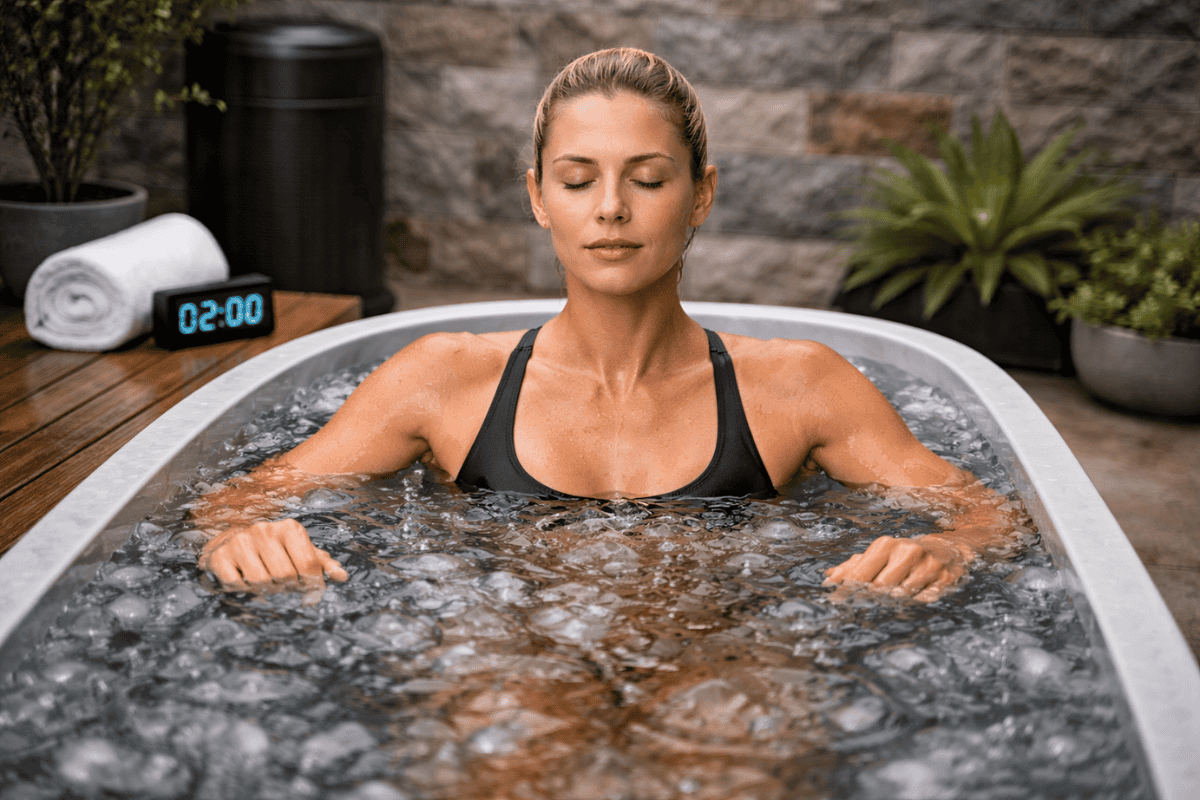
Key Takeaways Before You Buy a Cold Plunge Tub
Before purchasing a cold plunge tub, it’s worth stepping back and reviewing the factors that most strongly influence long-term safety, usability, and satisfaction. While features and aesthetics matter, real-world ownership tends to hinge on a smaller set of practical considerations.
The most important takeaways from this guide include:
- Consistency matters more than extremes. Systems that support stable, repeatable temperatures are generally safer and easier to use over time than setups that rely on manual ice or fluctuating conditions.
- Temperature control is a safety feature. The ability to set and maintain conservative temperature ranges reduces the likelihood of accidental overexposure, especially during early adaptation.
- Maintenance determines sustainability. Water sanitation, filtration access, and cleaning routines directly affect whether a tub remains usable week after week.
- Space and power are limiting factors. Many cold plunge tubs perform well on paper but are impractical without adequate electrical access, drainage, or ventilation.
- Total cost extends beyond purchase price. Electricity, water changes, consumables, and time commitment all contribute to real ownership cost.
Medical guidance from institutions such as the Cleveland Clinic and Mayo Clinic consistently emphasizes cautious, controlled exposure to cold water. Buyers should prioritize systems that make conservative use easier rather than those that encourage extreme temperatures or prolonged immersion.
It’s also important to acknowledge individual variability. Cold tolerance, cardiovascular health, and prior experience with cold exposure differ widely. What works well for one person may be inappropriate for another.
If you’re still weighing options, reviewing the science-backed benefits and risks can help clarify whether cold plunge therapy aligns with your goals. Our Cold Plunge Benefits and Cold Plunge Safety & Usage pages provide additional context.
In the final section, we’ll summarize this guide and outline practical next steps for choosing and using a cold plunge tub responsibly.
Conclusion: Choosing a Cold Plunge Tub That You’ll Actually Use
The best cold plunge tub is not defined by extreme temperatures, brand recognition, or marketing claims. It is the system that fits your space, supports conservative temperature control, and makes consistent use realistic over the long term.
Across this guide, the most reliable predictors of satisfaction have been usability, maintenance burden, and environmental fit. Cold plunge therapy places real physiological demands on the body, which is why predictability and control matter more than novelty or intensity.
For most home users, a well-designed cold plunge tub should:
- Maintain stable temperatures within conservative ranges
- Support repeatable sessions without guesswork
- Include a clear sanitation strategy
- Fit existing space and power constraints
- Encourage consistency rather than avoidance
Medical institutions such as the Cleveland Clinic and Mayo Clinic emphasize that cold water immersion is a meaningful stressor, not a casual wellness trend. Approaching it with structure and restraint helps reduce unnecessary risk while improving adherence.
If you’re still deciding, revisit the sections on temperature control, sanitation, and installation requirements to narrow your options. For readers who want to better understand the science behind cold exposure before committing, our Cold Plunge Benefits page provides a research-aligned overview.
If you have questions about fit, setup, or safe usage, you can also reach out directly through our Contact page.
Cold plunge therapy is most effective when it is sustainable. Choose the system that supports long-term use—not the one that looks the most extreme.