
Cold Plunge for Athletes: Recovery, Performance & Real Results
Published: July 12, 2025
Last updated: January 27, 2026

Interest in cold plunge for athletes has grown as competitive and recreational athletes look for structured recovery tools that support training consistency. Cold water immersion is often discussed as a shortcut to faster recovery, but the evidence suggests a more nuanced role—one that depends on timing, training phase, and individual response.
This guide explains how cold plunge therapy may affect athletic recovery and performance, what research supports, where limitations exist, and how athletes can use cold exposure responsibly without undermining long-term adaptation.
Why Athletes Use Cold Plunge Therapy
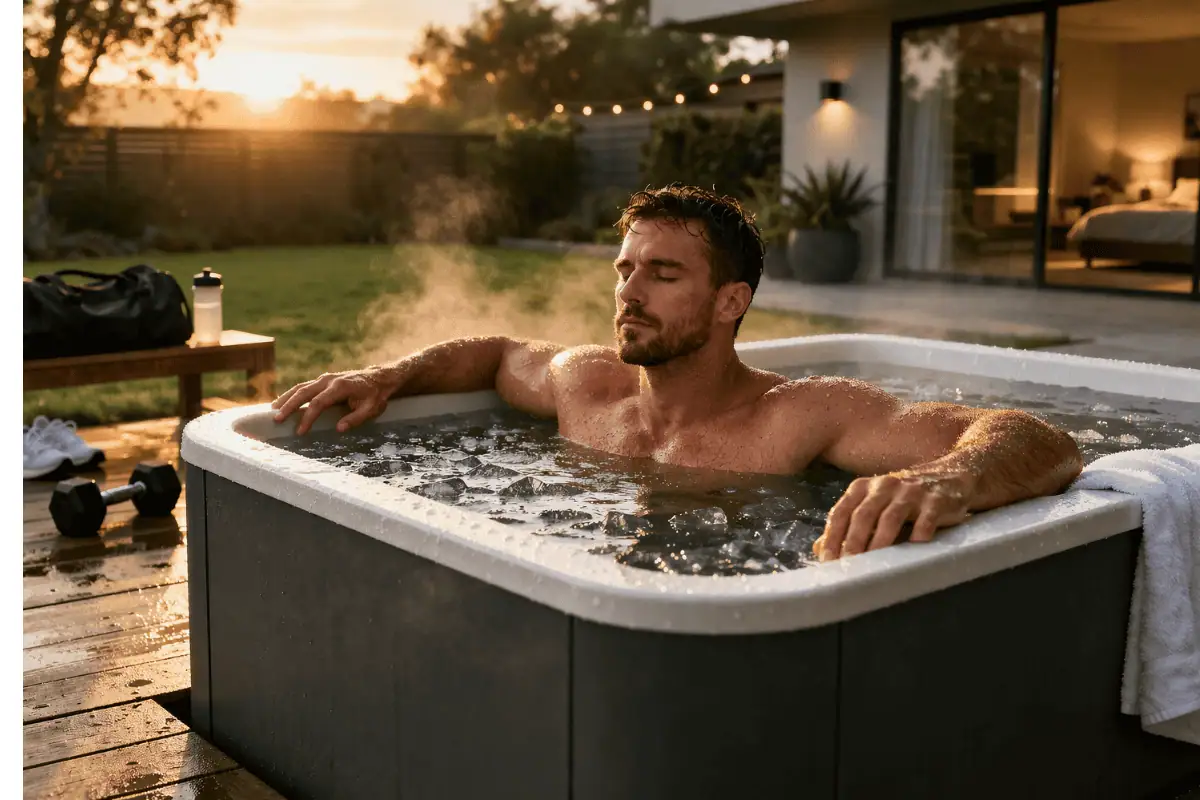
Athletes typically turn to cold plunge therapy for three main reasons: perceived soreness reduction, faster return to training, and mental resilience. After intense sessions, cold exposure creates a strong sensory contrast that many athletes associate with recovery readiness.
- Reduced perception of muscle soreness after hard sessions
- Temporary calming of inflammatory signaling
- Psychological sense of recovery completion
It is important to distinguish between how athletes feel after cold immersion and how tissues actually adapt over time.
In practice, “athletes” includes a wide range of training realities—team sport athletes managing frequent games, endurance athletes managing cumulative volume, strength athletes targeting long-term hypertrophy, and recreational athletes trying to stay consistent while balancing work and life. Cold plunge use tends to be most attractive when the short-term goal is simple: feel more capable of training again soon.
A useful way to think about cold plunge for athletes is as a recovery-perception tool with potential performance implications depending on how it is timed. If an athlete’s primary objective is to reduce soreness and regain a sense of readiness for the next session, cold exposure may help. If the primary objective is to maximize long-term training adaptation (especially muscle growth), cold plunge needs more caution and more intentional timing.
If you want help mapping cold exposure into your routine alongside sleep, training load, and recovery goals, you can reach our team via the Contact page.
Physiological Responses Relevant to Athletes

Cold water immersion triggers rapid vasoconstriction in the skin and extremities, followed by vasodilation during rewarming. This vascular response alters blood flow distribution and sensory input.
Research summarized by the NIH notes that cold exposure can reduce pain signaling and perceived soreness without necessarily accelerating muscle repair.
For athletes, the first minute matters because the body’s immediate cold response is largely reflexive. Skin thermoreceptors detect rapid temperature change, which can trigger an involuntary gasp, faster breathing, and an increase in heart rate and blood pressure. This “cold shock” pattern is one reason conservative protocols emphasize controlled entry and breathing rather than sudden submersion.
Cold water can also influence how the nervous system interprets discomfort. Cold exposure often reduces the perception of pain and stiffness for a period after immersion. That can be helpful for comfort and mobility, but it can also create a “false green light” where an athlete feels ready to push hard even if tissues are still recovering from heavy training. This is one reason decision logic (what you’re optimizing for) matters as much as the protocol itself.
If you want a deeper physiology overview (including mechanisms that may explain changes in soreness and recovery perception), PubMed has multiple reviews on cold water immersion and post-exercise recovery, including this entry: cold water immersion and recovery (PubMed).
Inflammation vs. Recovery Perception

Post-exercise inflammation is part of the normal adaptation process. Cold plunge therapy may blunt inflammatory markers temporarily, which can reduce soreness but may also interfere with signaling required for strength and hypertrophy adaptations.
The Mayo Clinic emphasizes that ice baths should be used strategically, not as a default after every workout.
A practical distinction is the difference between DOMS (delayed onset muscle soreness) and actual structural recovery. DOMS is influenced by microtrauma, swelling, and nervous system sensitization. Cold immersion may reduce soreness perception and temporarily dampen swelling-related signals, which can be useful when an athlete needs to perform again soon (tournaments, back-to-back sessions, travel schedules).
However, “less sore” does not automatically mean “more adapted.” Training adaptation depends on a sequence of biological signaling—stress, repair, remodeling, and functional improvement. Blunting a portion of that signaling too consistently (especially after resistance training) is the reason many coaches recommend reserving cold plunge for specific windows rather than applying it after every session.
In decision terms: if your next session requires you to be less sore tomorrow, cold plunge may be a reasonable tool. If your next training block is designed to build new capacity over weeks and months, cold plunge should be used more selectively—particularly during hypertrophy-focused phases.
Strength, Hypertrophy, and Training Phase Considerations

Studies summarized on PubMed suggest frequent post-resistance cold immersion may reduce muscle growth signals when used immediately after training.
For athletes, this means timing matters:
- Competition phases: cold plunge may support readiness
- Off-season hypertrophy blocks: cold plunge should be limited or delayed
A conservative “athlete-first” approach is to match cold plunge use to the purpose of the training cycle:
- In-season / performance maintenance: prioritize readiness, reduce soreness, protect skill quality and consistency.
- Off-season / development blocks: prioritize adaptation, strength gain, and tissue remodeling—use cold exposure less often, or delay it away from resistance sessions.
If you do choose cold immersion during a strength-building phase, consider using it on non-lifting days (or after lower-priority sessions), or later in the day rather than immediately after resistance training. This does not guarantee a specific outcome, but it aligns with the general concern that immediate post-lift cold exposure may interfere with anabolic signaling.
Cold Plunge for Endurance Athletes

Endurance athletes often use cold immersion to manage cumulative fatigue during high-volume training. While soreness reduction may help maintain session quality, evidence does not show consistent performance gains from routine cold plunging.
The Cleveland Clinic advises endurance athletes to treat cold exposure as a recovery aid rather than a performance enhancer.
For endurance athletes, the main practical benefit tends to be session-to-session consistency. When long runs, intervals, hills, or high-mileage blocks accumulate fatigue, reducing soreness and perceived heaviness can help athletes keep training quality within a planned range. That said, cold plunge should not be used to “override” warning signs like joint pain, persistent swelling, or sharp pain patterns that warrant rest or clinical evaluation.
If you are using cold exposure during an endurance build, consider keeping the protocol conservative (short duration, moderate cold) and focusing on rewarming and sleep afterward. For many athletes, the recovery fundamentals—sleep quality, fueling, hydration, and gradual progression—remain the primary drivers of performance.
Nervous System Effects and Mental Readiness

Cold immersion strongly activates the sympathetic nervous system, followed by a parasympathetic rebound during recovery. Athletes often report improved focus and mental clarity after controlled cold exposure.
This mental effect may support consistency and confidence around training rather than directly enhancing physical output.
From a training behavior perspective, cold plunge can function like a structured “reset.” The ritual—controlled entry, regulated breathing, and measured time—can reinforce discipline and recovery intention. That may be especially relevant for athletes who struggle to downshift after training or who benefit from clear routines that separate work (training) from recovery (downregulation).
The key is to keep the interpretation conservative: improved clarity or calm after cold immersion may reflect nervous system shifts and attentional effects, but it should not be assumed to mean faster tissue repair or guaranteed performance changes. If it helps an athlete consistently recover and sleep better, that downstream benefit may matter more than any single physiological mechanism.
Timing: Before vs. After Training
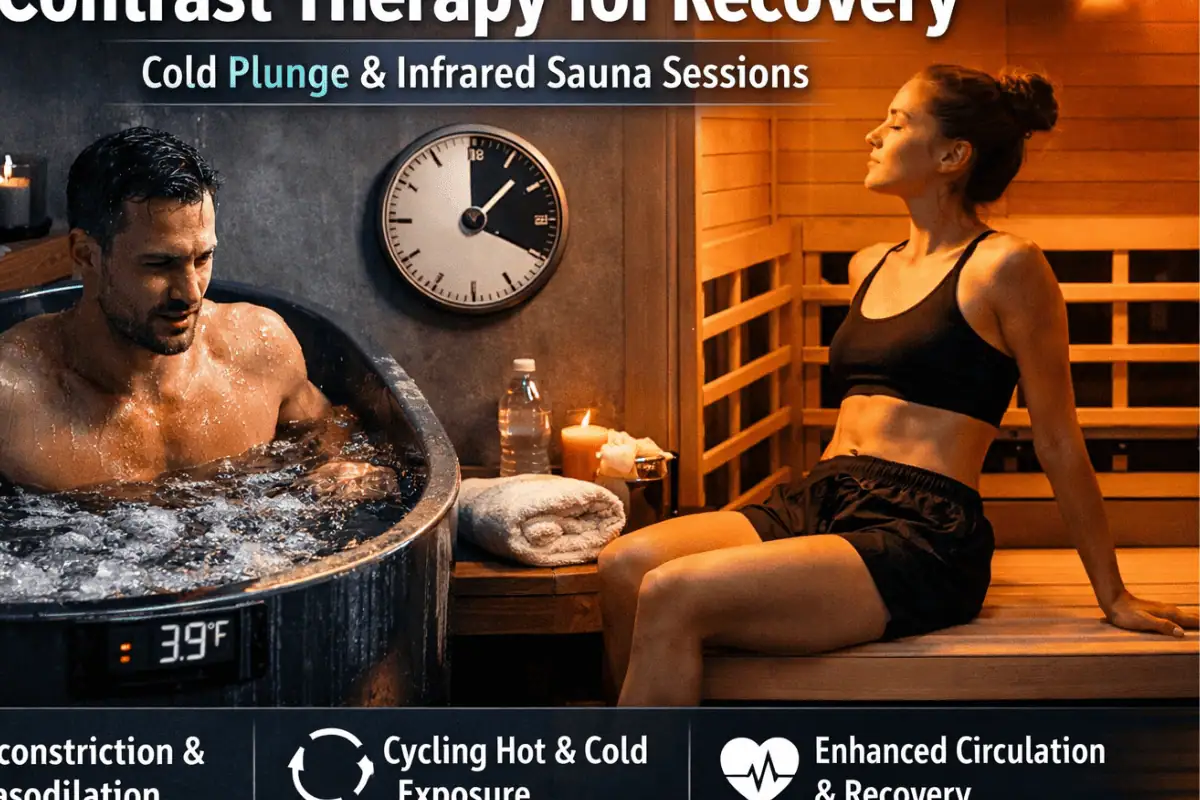
Cold plunge before training may reduce power output due to decreased muscle temperature. Most experts recommend avoiding cold immersion immediately before high-intensity or strength sessions.
Post-training use should be reserved for periods where recovery between sessions is prioritized over adaptation.
A helpful rule of thumb is to ask: What is the next important session, and how soon is it? If the next priority session is within 24–48 hours and you need to reduce soreness to perform, cold plunge may fit. If you are in a development phase with adequate recovery time, the urgency is lower and cold plunge can be reduced or delayed.
Temperature and Duration Guidelines

Athletes typically use water temperatures between 50–59°F (10–15°C) for short durations. Prolonged exposure is not necessary to achieve perceived recovery benefits.
For detailed parameters, see our Cold Plunge Benefits guide.
For athletes, the most conservative starting point is not “as cold as possible,” but “cold enough to be meaningful while staying controlled.” Many athletes do well beginning closer to the warmer end of the range (for example, mid-to-high 50s °F) and focusing on calm breathing and steady time rather than chasing extremes.
A practical progression model is:
- Week 1–2: short exposures (about 1–2 minutes) at moderate cold, focusing on calm entry and breathing.
- Week 3–4: modest time increases if responses remain controlled and recovery feels positive.
- Ongoing: prioritize consistency and safety over lower temperatures.
Rewarming matters. After the plunge, allow your body to rewarm gradually (movement, warm clothing, a normal room environment). Aggressive rewarming strategies can vary by athlete and context, but in general a controlled return to normal temperature supports comfort and reduces the likelihood of lingering cold stress.
If you want to be more systematic, track a few simple indicators: how you slept that night, how soreness and readiness feel the next day, and whether cold plunging changes your training quality. Small, consistent notes often reveal whether cold exposure is helping your routine or simply adding stress.
Safety Considerations for Athletes

Athletes with cardiovascular conditions, uncontrolled hypertension, or a history of fainting should consult a medical professional before using cold plunge therapy.
Gradual entry, controlled breathing, and avoiding solo sessions reduce risk. Additional guidance is available on our Safety & Usage page.
From a practical standpoint, athletes should also avoid cold immersion when they are ill, severely sleep-deprived, or already run down—because cold exposure is still a stressor. If your baseline recovery is compromised, adding more stress can backfire even if the plunge feels energizing in the moment.
Integrating Cold Plunge Into a Training Plan

Cold plunge works best when integrated intentionally:
- Use sparingly during hypertrophy phases
- Employ strategically during competition or tournaments
- Pair with adequate sleep and nutrition
Consistency in training matters more than any single recovery modality.
A conservative weekly pattern for many athletes is to use cold plunge 1–3 times per week during periods of high load or frequent competition, then taper down during development blocks. This approach treats cold exposure as a tool for high-demand windows rather than a daily default.
If you train twice a day or have back-to-back events, cold plunge may be more relevant between sessions—especially when soreness management and perceived readiness are practical priorities. If you are in a low-frequency strength phase with ample recovery days, cold plunge may be less necessary.
When Cold Plunge May Not Be Ideal
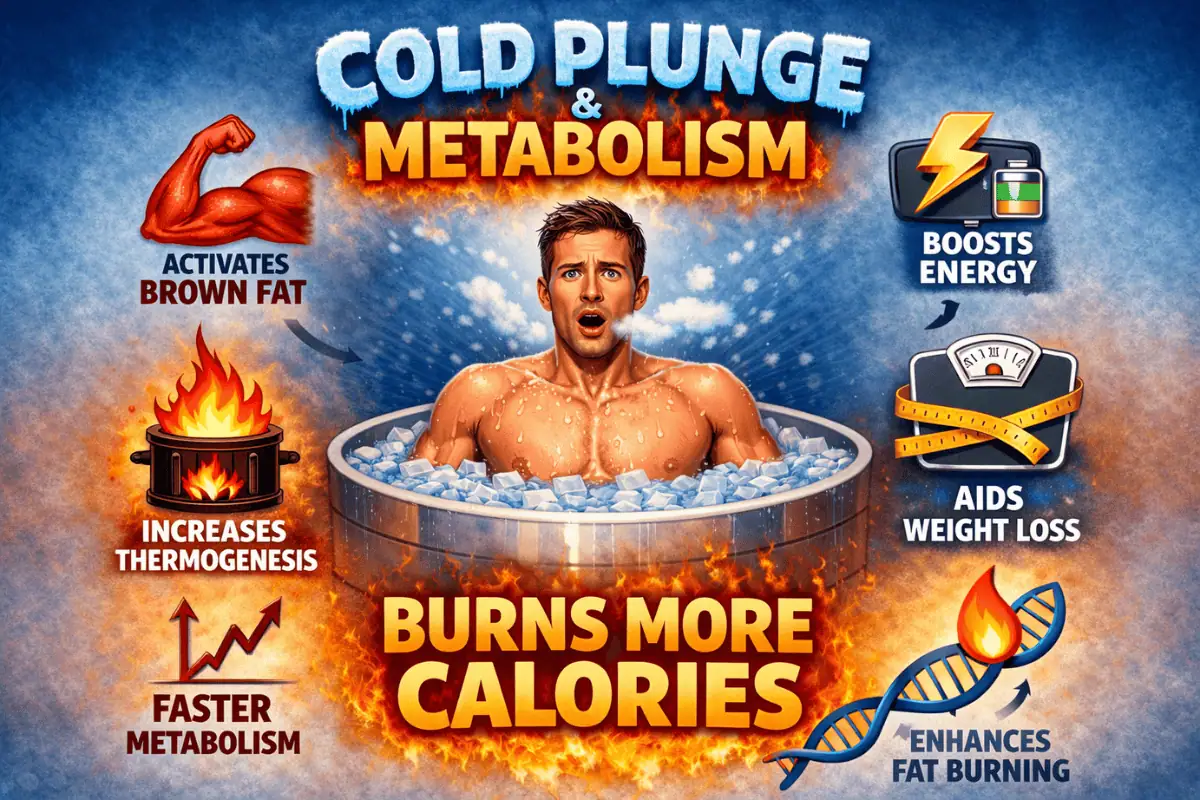
Cold plunge therapy is not universally beneficial. Athletes focused on muscle growth, rehabilitation from injury, or metabolic adaptation may benefit more from active recovery or thermoneutral strategies.
Understanding the trade-offs allows athletes to make informed decisions rather than relying on trends.
Cold plunge may also be a poor fit when it becomes a substitute for fundamentals. If sleep quality, fueling, mobility work, and sensible training progression are not in place, cold exposure is unlikely to “fix” the bigger drivers of fatigue. In those cases, cold plunge can still be used conservatively, but it should not be treated as the primary recovery strategy.
Practical Takeaways for Athletes
Cold plunge for athletes can support recovery perception, mental readiness, and short-term soreness management when used strategically. It does not replace sound training design, sleep, or nutrition—and excessive use may blunt long-term adaptation.
Athletes seeking structured options can explore equipment considerations in our Best Cold Plunge Tubs Buyer’s Guide, or browse additional education in the Plunge Sage Blog.
As with any recovery modality, individual responses vary, and conservative use tends to be the most sustainable approach. If you have medical risk factors or unusual symptoms with cold exposure, consider medical guidance before continuing.
