
Cold Plunge for Sleep: Can Evening Dips Improve Rest and Recovery?

Sleep quality plays a central role in recovery, mental clarity, and long-term health. As interest in cold water immersion grows, many people naturally ask whether cold plunge for sleep can improve rest—or whether evening exposure may actually interfere with the body’s ability to wind down.
Cold plunge therapy strongly stimulates the nervous system, alters core body temperature, and affects hormone signaling tied to alertness and recovery. These effects can be helpful earlier in the day, but their impact becomes more nuanced when cold exposure is performed in the evening or near bedtime.
This guide explores how cold plunging influences sleep-related physiology, when evening cold exposure may help or hinder rest, and how timing, duration, and individual sensitivity matter when integrating cold plunge into a nighttime routine.
A practical way to approach this topic is to separate “sleep support” into two categories: indirect support (cold plunge improves recovery and stress resilience so sleep quality improves over time) versus direct sleep onset support (cold plunge makes you feel sleepy right away). Cold exposure is more consistently associated with the first category than the second, especially when timing is close to bedtime.
How Sleep and Recovery Are Regulated

Sleep is governed by a balance between circadian rhythm signals and nervous system activity. The parasympathetic nervous system supports relaxation, digestion, and sleep onset, while the sympathetic nervous system promotes alertness and readiness.
As bedtime approaches, core body temperature gradually declines, cortisol levels fall, and melatonin secretion increases. These shifts prepare the body for sleep and physical repair. Disruptions to this process—through stress, light exposure, or stimulating activity—can delay sleep onset or fragment rest.
Cold plunge therapy directly interacts with these systems by activating cold receptors, triggering rapid sympathetic arousal, and temporarily altering thermoregulation. Understanding this balance is essential when considering cold exposure close to bedtime.
It can help to think of sleep as a coordinated “downshift” across multiple systems. Heart rate and breathing typically become slower and more regular. Core body temperature trends downward. Mental arousal decreases. When you introduce a strong cold stimulus late in the day, the body may temporarily shift in the opposite direction—faster breathing, higher alertness, and a more reactive stress response—before it settles.
This is one reason the same cold plunge session can feel “calming” for one person and “activating” for another. If someone has a steady wind-down routine and completes cold exposure early enough, the post-immersion recovery window may align with sleep readiness. If someone plunges late or intensely, the sympathetic surge may overlap with bedtime and delay sleep onset.
If you want a conservative clinical reference for common sleep hygiene and recovery principles (consistent schedule, wind-down routine, reducing late-night stimulation), Cleveland Clinic provides an overview here: sleep hygiene basics.
What Happens to the Body During a Cold Plunge

When the body enters cold water, several rapid physiological responses occur. Blood vessels constrict, breathing rate increases, heart rate rises, and stress hormones such as norepinephrine are released. These responses help preserve core temperature and maintain alertness.
Following exit from the water, the body shifts toward rewarming and vasodilation. This recovery phase can feel calming for some individuals, but the initial stimulation may linger depending on timing, intensity, and individual sensitivity.
This two-phase response—acute activation followed by gradual recovery—explains why cold plunges often feel energizing rather than sedating, particularly when performed later in the day.
The first phase is often dominated by the “cold shock” response, especially for beginners: an involuntary gasp, rapid breathing, and a strong urge to tense or move. From a sleep perspective, this matters because rapid breathing and heightened alertness can increase perceived arousal—something many people are trying to reduce before bed.
A conservative way to manage this is to keep sessions short, avoid turning the plunge into a “max effort” challenge, and prioritize controlled breathing. The goal is not to suppress normal physiology, but to avoid stacking intense stimulation on top of an already stimulating day.
For readers who want to explore the research landscape without relying on any single study, PubMed provides a broad entry point into cold water immersion physiology and stress responses. You can browse here: cold water immersion and sympathetic response (PubMed).
Cold Plunge and Core Body Temperature
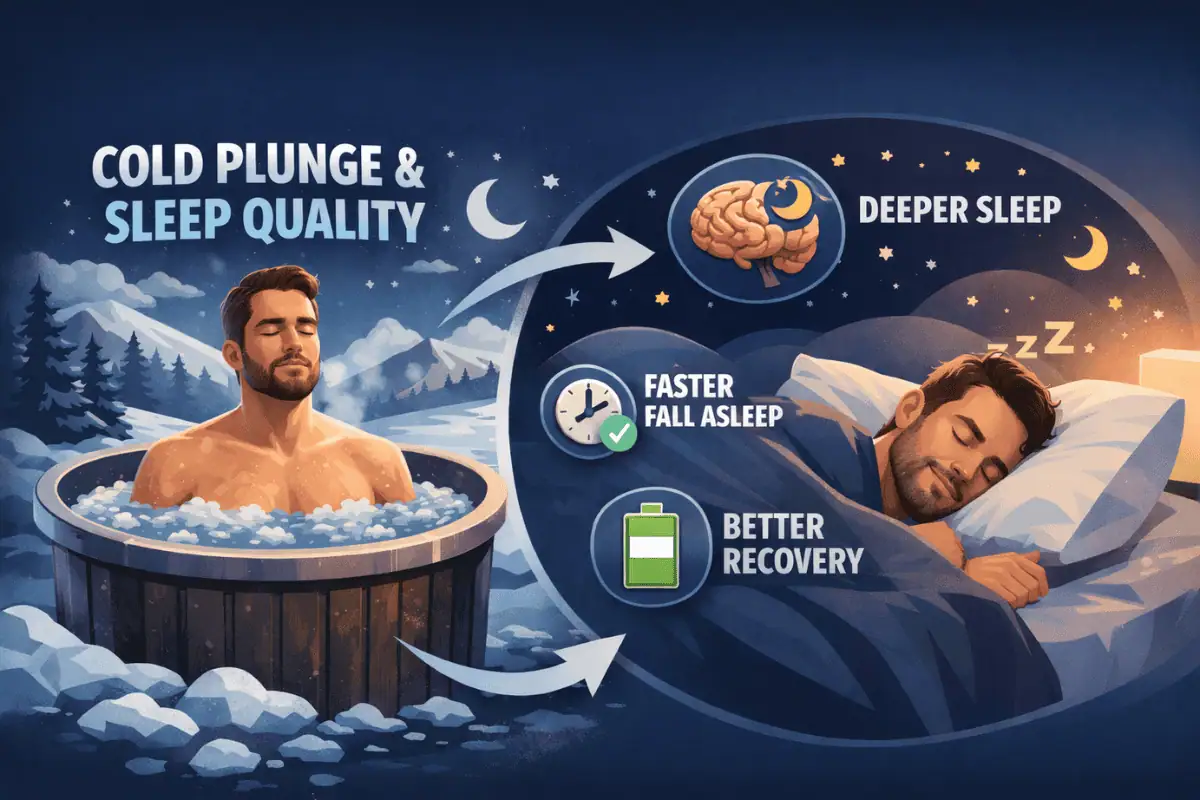
One factor linking cold exposure and sleep is body temperature regulation. Healthy sleep onset is associated with a gradual drop in core temperature, signaling the brain that it is time to rest.
Cold plunging temporarily lowers skin temperature but can paradoxically raise core temperature afterward as the body generates heat during rewarming. If this rebound occurs too close to bedtime, it may delay the natural cooling process needed for sleep.
For this reason, timing matters. Cold exposure earlier in the evening may allow sufficient time for temperature normalization, while late-night plunges may interfere with sleep readiness.
This “rewarming rebound” can feel like restlessness, warmth, or a lingering energized sensation. It is not necessarily harmful, but it can be inconvenient if it overlaps with bedtime. In practical terms, if you exit the plunge and immediately need a long, active warm-up to feel comfortable, you may be creating a temperature curve that conflicts with natural sleep onset patterns.
If your goal is to use cold plunge for sleep support, a conservative framework is to finish cold exposure early enough that your temperature and breathing feel normal again well before bed. Mayo Clinic’s general sleep guidance often highlights the importance of a stable wind-down environment; you can review that perspective here: Mayo Clinic overview on sleep.
Nervous System Activation and Sleep Onset

Cold plunges strongly activate the sympathetic nervous system, which can sharpen focus and elevate mood. While beneficial for daytime energy, this activation may conflict with the parasympathetic dominance required for sleep.
Some individuals report feeling calm after cold exposure due to the post-immersion relaxation phase. Others experience lingering alertness, racing thoughts, or difficulty falling asleep—especially if cold plunging is intense or prolonged.
This variability highlights that cold plunge for sleep is not universally sedating and must be tailored to individual nervous system sensitivity.
A conservative “decision logic” approach is to treat late-day cold exposure like any other potentially stimulating input. If you notice longer sleep onset, more awakenings, or feeling wired at bedtime, the safest adjustment is not to push harder—it’s to move timing earlier or reduce intensity. If you notice sleep improving over multiple nights with earlier sessions, that suggests cold exposure may be supporting recovery indirectly rather than acting as an immediate sleep aid.
If you want a structured starting point for building tolerance and reducing excessive arousal, our beginner-focused resources can help you scale up conservatively. You can browse related posts in the Plunge Sage blog index.
Can Cold Plunge Improve Sleep Quality?

Research on cold water immersion and sleep is still emerging. Some studies suggest that improved recovery, reduced inflammation, and enhanced stress resilience may indirectly support better sleep over time.
Individuals who cold plunge earlier in the day often report deeper sleep and improved sleep efficiency, likely due to reduced soreness and improved nervous system resilience rather than direct sedative effects.
However, evidence does not currently support cold plunging immediately before bed as a reliable sleep aid. Benefits appear to depend on timing, duration, and overall recovery context.
A conservative interpretation is that cold exposure may support sleep most reliably when it improves the “inputs” that make sleep easier: less soreness, lower perceived stress, and better routine consistency. If the plunge becomes a late-night stressor, it may work against those same inputs by increasing arousal and shifting temperature regulation.
If you want to explore the published research landscape without over-interpreting it, PubMed is the most conservative place to begin. Here is a topic gateway: cold water immersion and sleep (PubMed).
Evening Cold Plunge: Potential Benefits
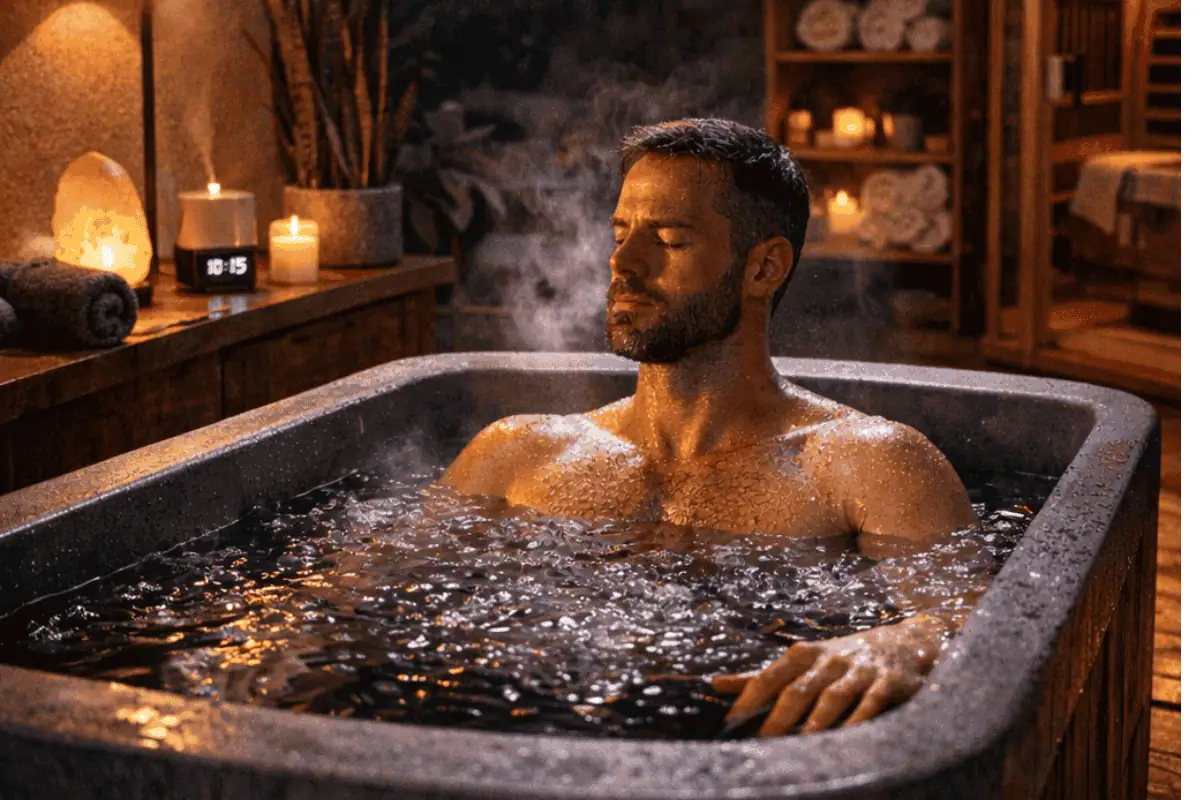
For some people, an early evening cold plunge may support relaxation later in the night by reducing muscle tension and mental stress accumulated during the day.
- Reduced perceived soreness before bedtime
- Improved mental decompression after stressful workdays
- Enhanced recovery when paired with adequate wind-down time
These potential benefits are more likely when cold exposure is brief, moderate, and completed several hours before sleep.
One practical indicator that evening cold exposure may be working for you is the quality of the “post-plunge window.” If you can rewarm calmly, your breathing returns to baseline, and you feel more settled (not more activated), the session may be compatible with sleep. If you feel keyed up or restless, it may be better placed earlier in the day.
A conservative evening routine also avoids stacking multiple stimulants. For example, pairing a late intense workout, late caffeine, and a late cold plunge can create a strong “upshift” at the exact time the body is typically preparing to downshift. In contrast, a brief early evening plunge followed by a quiet wind-down may fit better for some individuals.
When Cold Plunge May Disrupt Sleep

Cold plunging too late in the evening can backfire for certain individuals. Strong sympathetic activation close to bedtime may increase alertness and delay sleep onset.
Potential sleep-disrupting factors include:
- High-intensity cold exposure late at night
- Long immersion durations
- Existing anxiety or stress sensitivity
- Difficulty returning to parasympathetic dominance
Listening to subjective sleep feedback is essential when experimenting with evening cold plunges.
A conservative “red flag” pattern is when the plunge creates a noticeable adrenaline-like effect that lingers into bedtime. If you start associating the plunge with sleep disruption, it is usually more effective to move timing earlier than to keep forcing adaptation at night.
Timing Guidelines for Cold Plunge and Sleep

General guidance suggests that cold plunges are best performed earlier in the day for sleep-friendly recovery. When used in the evening, finishing cold exposure at least 3–4 hours before bedtime allows the nervous system and temperature to normalize.
People seeking recovery benefits without sleep disruption may consider pairing cold exposure with calming practices later in the evening, such as gentle stretching or breathwork.
For more timing strategies, see our cold plunge frequency guide.
If you want a simple decision rule: when the goal is sleep support, prioritize the schedule that protects sleep consistency first, then build cold exposure around it. Over time, consistency tends to make it easier to identify whether cold plunge is helping recovery indirectly.
If you have questions about where to place cold exposure inside your overall routine (especially if sleep disruption persists), you can reach us here: contact Plunge Sage.
Individual Differences and Sensitivity

Not everyone responds to cold exposure in the same way. Genetics, stress levels, fitness, and prior cold adaptation all influence how the nervous system reacts.
Some individuals experience a calming after-effect, while others feel stimulated for hours. Monitoring sleep latency, nighttime awakenings, and next-day energy can help determine whether evening cold plunging is appropriate.
Those new to cold exposure may benefit from morning or midday sessions before experimenting with evening use.
Adaptation can also change the experience over time. Beginners often feel a stronger cold shock response, which can be more stimulating. With gradual exposure, many people become more efficient at controlling breathing and rewarming. Even so, “adapted” does not automatically mean “bedtime-friendly,” so sleep feedback should remain the deciding factor.
Safety Considerations

Cold plunge therapy is not appropriate for everyone, particularly late at night when fatigue may impair judgment. Individuals with cardiovascular conditions, sleep disorders, or temperature regulation issues should consult a healthcare professional.
Never force cold exposure if it leads to dizziness, excessive stress, or disrupted sleep patterns. Conservative protocols support long-term benefits without unnecessary strain.
Learn more in our cold plunge safety guide.
From a practical standpoint, safety includes environment and supervision. Avoid late-night plunges if you are alone and overly fatigued, and avoid extending duration if you feel numbness, confusion, or impaired coordination. Conservative exposure and a safe rewarming plan are part of responsible cold plunge practice.
If you’re unsure whether cold water immersion is appropriate for you, NIH resources on sleep and health can provide conservative background context on sleep-related physiology and why consistent sleep matters: NIH sleep overview (NHLBI).
How This Fits Into a Recovery Routine

Cold plunge for sleep should be viewed as one component of a broader recovery strategy rather than a direct sleep aid. Nutrition, stress management, training load, and consistent sleep schedules play larger roles in sleep quality.
Cold exposure earlier in the day often complements recovery by reducing soreness and improving stress resilience, indirectly supporting better nighttime rest.
Explore additional recovery considerations in our cold plunge benefits overview.
If your primary goal is improved rest, a conservative approach is to keep cold exposure sustainable and predictable rather than extreme and irregular. Consistency tends to make outcomes clearer: you can see whether sleep is improving because recovery is improving, without introducing new late-night stimulation that complicates your wind-down routine.
Cold Plunge for Sleep: Key Takeaways
Cold plunge therapy interacts powerfully with the nervous system and temperature regulation, making its relationship with sleep highly timing-dependent. While some individuals may tolerate early evening exposure, late-night cold plunges often increase alertness rather than promote rest.
For most people, cold plunging earlier in the day supports recovery and indirectly improves sleep quality over time. Personal experimentation, conservative timing, and attention to sleep feedback are essential.
If you’re exploring cold plunge as part of a long-term wellness routine, understanding equipment options and temperature control can help you tailor timing more effectively.
If you experiment with evening sessions, consider tracking sleep outcomes over a full week (not just one night) and adjusting only one variable at a time.
Explore Cold Plunge Options
Learn how different systems support recovery, temperature control, and routine flexibility. View the Buyer’s Guide →
