Cold Plunge and Hormones: How Cold Exposure Impacts Cortisol, Testosterone, and More
Published: August 11, 2025
Last updated: January 29, 2026

Interest in cold plunge and hormones has increased alongside broader discussions about stress resilience, recovery, metabolism, and performance. Hormones act as chemical messengers, coordinating how the body responds to stressors—including cold exposure.
Cold plunge therapy does not “optimize” hormones in a simple or guaranteed way. Instead, cold exposure creates a controlled stress signal that temporarily alters hormonal signaling. Understanding which hormones respond, how long changes last, and what factors influence outcomes is essential for realistic expectations and safe use.
This guide takes a conservative, science-aligned look at how cold water immersion may influence cortisol, adrenaline, testosterone, thyroid-related hormones, and related systems—without overstating benefits or implying medical treatment.
A helpful way to frame cold plunge and hormones is to think in terms of acute effects (what happens during and shortly after immersion) versus chronic effects (what baseline patterns look like after weeks of consistent practice). Most research and real-world reports align with short-lived changes that depend heavily on dose and recovery.
How Hormones Respond to Cold Exposure
Hormones regulate metabolism, stress responses, energy availability, immune signaling, and tissue repair. When the body encounters cold water, it interprets the stimulus as an acute environmental stressor.
In response, the nervous system activates a cascade involving:
- Stress hormones that mobilize energy
- Circulatory changes that protect core temperature
- Neuroendocrine signals that support short-term adaptation
These responses are context-dependent. Temperature, duration, individual health, sleep, nutrition, and training status all influence whether hormonal shifts are adaptive or excessive.

Rather than permanently changing baseline hormone levels, cold plunge typically produces transient hormonal fluctuations that return to normal within hours.
From a systems perspective, cold exposure primarily signals through two linked pathways:
- The sympathetic nervous system (fast, “fight-or-flight” signaling) which drives immediate changes in heart rate, blood flow, and catecholamines.
- The HPA axis (hypothalamus → pituitary → adrenal) which helps coordinate cortisol release and downstream metabolic effects.
Cold plunge can also influence hormone-related outcomes indirectly by affecting sleep timing, perceived stress, training readiness, and appetite. Those “secondary” effects are often where people notice meaningful day-to-day differences, even if lab values do not change dramatically.
Cortisol and Cold Plunge Exposure
Cortisol is commonly labeled a “stress hormone,” but it plays an essential role in glucose regulation, inflammation control, and circadian rhythm alignment.
Cold water immersion can cause a short-term increase in cortisol due to sympathetic nervous system activation. Research suggests this rise is:
- Acute rather than chronic
- Highly influenced by water temperature and duration
- More pronounced in unacclimated individuals
Over time, repeated exposure may improve stress tolerance, meaning the same cold stimulus produces a smaller cortisol response as adaptation occurs.
According to research summarized by the National Institutes of Health, controlled stressors can support improved hypothalamic-pituitary-adrenal (HPA) axis regulation when recovery is adequate.

Cortisol also follows a strong daily rhythm: it typically peaks in the morning and declines throughout the day. That matters because cold exposure is more likely to feel “stimulating” when it stacks on top of already-elevated morning cortisol, and more likely to feel “disruptive” when it occurs close to bedtime for people who are sensitive to arousal.
If you track how cold plunge affects you, consider using functional markers rather than assuming a single direction is “good” or “bad.” Examples include:
- Sleep onset time and nighttime awakenings
- Next-day energy and mood stability
- Resting heart rate and perceived recovery
- Cravings and appetite regulation (often cortisol-linked)
Importantly, an acute cortisol rise is not automatically harmful. Cortisol is part of normal adaptation. The concern is repeated high-stress stacking—cold plunge layered onto sleep deprivation, under-eating, high training volume, or illness—where the HPA axis may stay “on” longer than intended.
Adrenaline, Noradrenaline, and Alertness
Cold exposure reliably increases catecholamines—primarily adrenaline and noradrenaline. These hormones:
- Increase alertness and focus
- Mobilize fatty acids for energy
- Support cardiovascular adaptation
Studies indexed in PubMed show that cold water immersion can significantly elevate noradrenaline levels, sometimes by several hundred percent during exposure.
These increases are short-lived and typically normalize after rewarming. This explains why many people report temporary mental clarity after cold plunging—without implying long-term neurotransmitter modification.
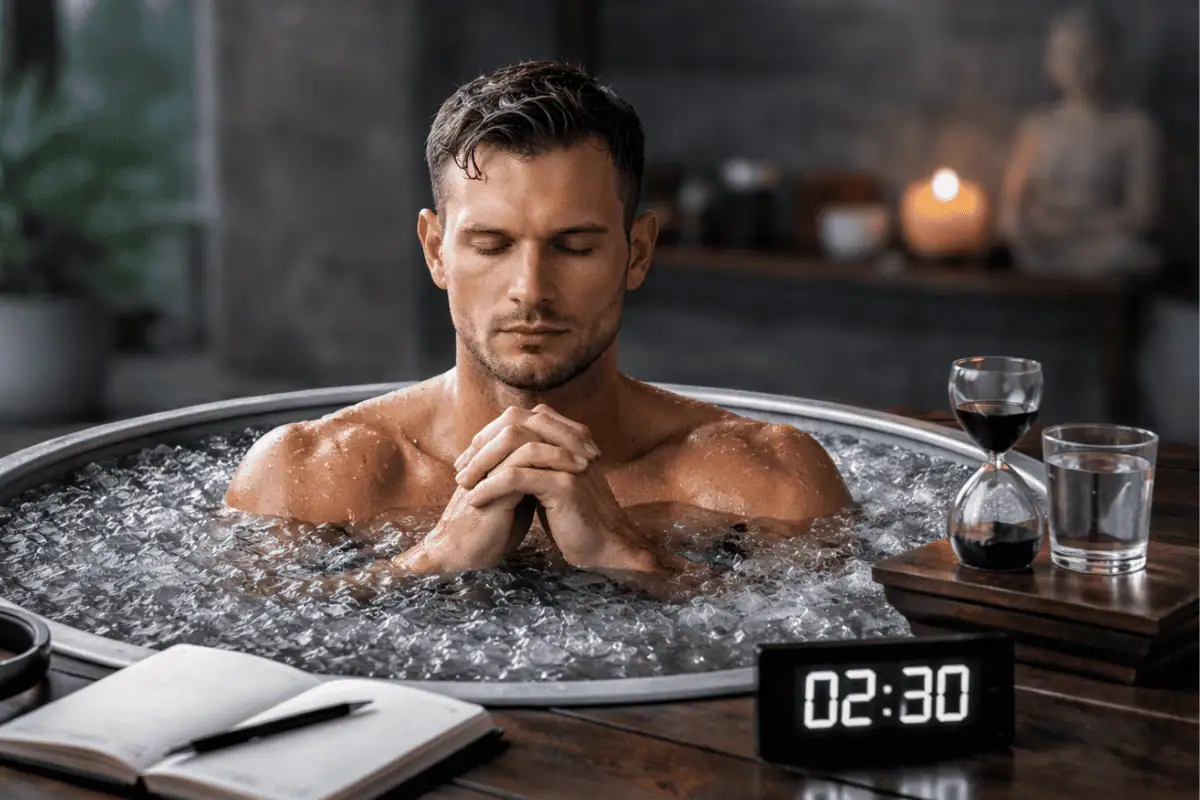
A practical implication of catecholamine spikes is that the first 30–90 seconds of immersion often drive the strongest “alarm” response. That period is sometimes called the cold shock response, where breathing becomes rapid and the urge to exit is high. Breathing control (slow nasal breathing or controlled exhale-focused breathing) can reduce the intensity of that initial surge for many people.
Rewarming matters, too. When you exit cold water, the body may continue to feel stimulated as circulation adjusts and core temperature normalizes. If you are prone to feeling “wired,” shorter exposures and earlier-in-the-day sessions are often a more conservative fit than long, late sessions.
Because catecholamines increase heart rate and blood pressure acutely, people with cardiovascular risk factors should be cautious and prioritize gradual progression. Even in healthy individuals, the goal is not to “maximize” the adrenaline hit; it is to apply a stimulus that your body can reliably recover from.
Cold Plunge and Testosterone Levels
Claims that cold plunging “boosts testosterone” are common but oversimplified. Current evidence does not support sustained increases in baseline testosterone from cold exposure alone.
Some studies suggest:
- Cold exposure may support recovery, indirectly aiding training quality
- Improved sleep and reduced chronic stress can support healthy testosterone regulation
- Excessive cold stress may temporarily suppress anabolic signaling
The Mayo Clinic emphasizes that testosterone levels are influenced primarily by sleep, nutrition, body composition, and overall health—not single interventions.
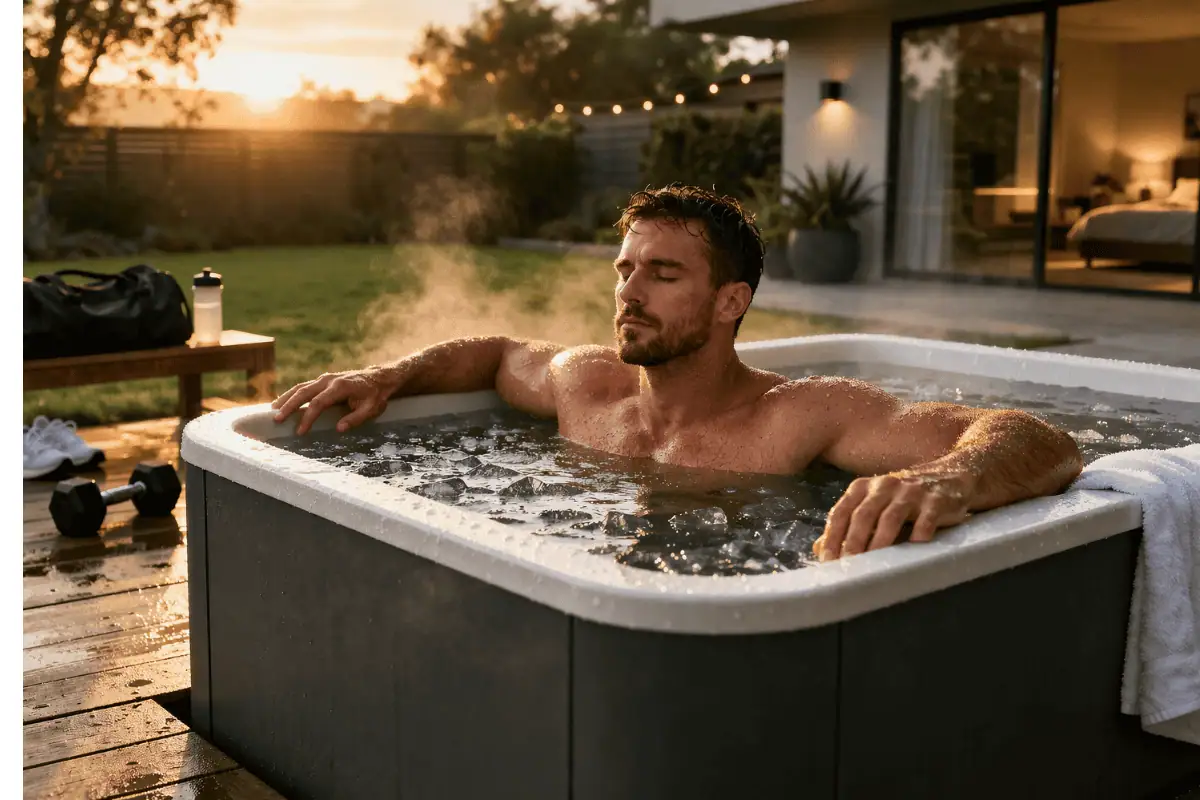
Where cold plunge may “touch” testosterone most plausibly is through the broader recovery environment. If cold exposure helps someone maintain consistent training, sleep better, and reduce chronic stress load, those factors can support healthier endocrine function over time. But that’s an indirect pathway, and it varies widely.
There is also a timing nuance for strength training: some research suggests aggressive cold exposure immediately after resistance training could interfere with certain muscle adaptation signals. That does not mean cold plunge is “bad,” but it supports a conservative approach—separating intense cold immersion from heavy lifting sessions when hypertrophy is a primary goal.
If hormonal health is a key concern, it is often more productive to treat cold plunge as a small lever (stress management and routine consistency) while prioritizing the big levers (sleep duration, energy intake, protein adequacy, and sustainable training volume).
Cold Exposure, Thyroid Hormones, and Metabolism
Cold exposure activates thermoregulatory mechanisms that influence thyroid-related signaling, particularly in colder environments or prolonged exposure.
Research indicates:
- Short-term cold exposure may increase thyroid hormone activity to support heat production
- Brown fat activation increases energy expenditure
- Responses vary based on acclimation and nutritional status
According to PubMed, cold-induced thermogenesis relies on coordinated hormonal and neural pathways rather than isolated hormone changes.

Thyroid signaling is complex, and the body often adjusts thyroid-related activity based on energy availability and stress. In practical terms, people who are already in a calorie deficit, under-slept, or training heavily may experience cold exposure as an additional stressor rather than a metabolism “boost.”
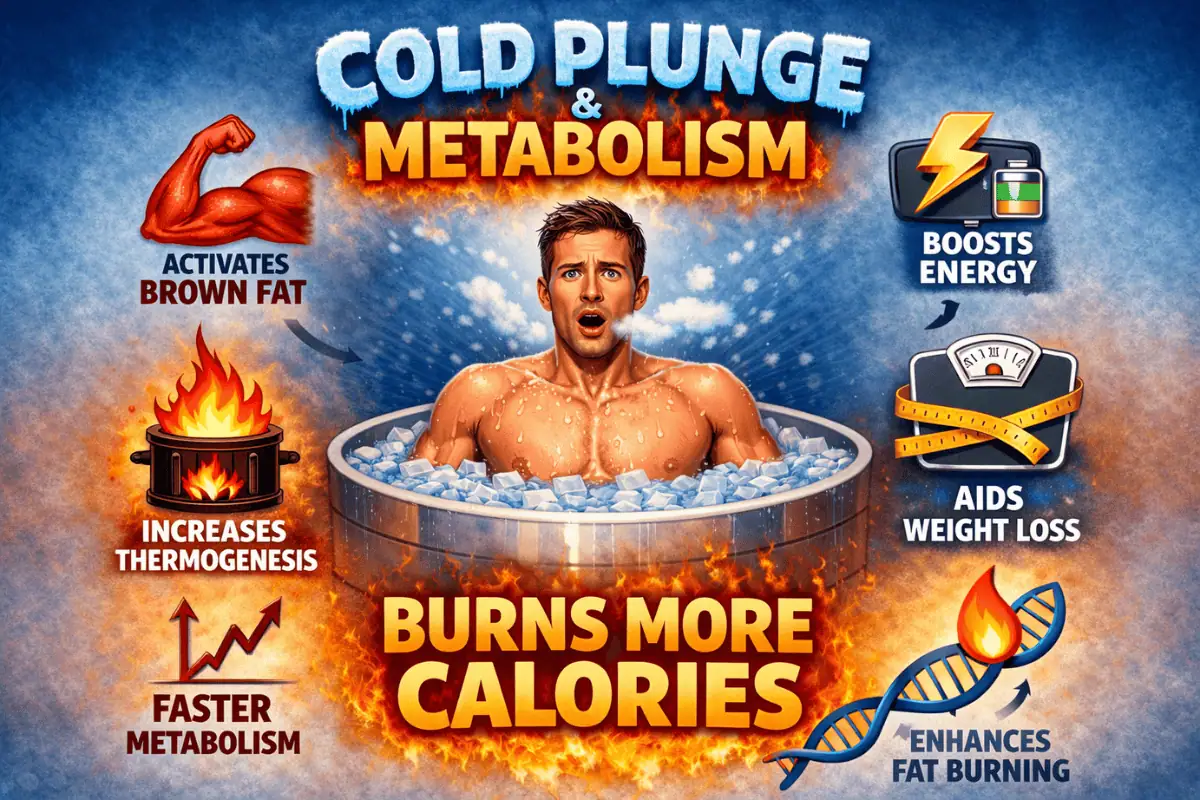
A conservative interpretation is that cold exposure can increase heat production demands (and therefore energy expenditure) in some contexts, but it is not a reliable or standalone fat-loss tool. If someone notices persistent cold intolerance, fatigue, or disrupted sleep after increasing cold plunge volume, reducing exposure and prioritizing recovery is a reasonable first step.
Cold Plunge and Insulin Sensitivity
Cold exposure influences glucose metabolism through increased energy demand and sympathetic activation. Some studies suggest improved insulin sensitivity following cold acclimation protocols.
However, these effects are:
- Modest compared to diet and exercise
- Dependent on consistency and recovery
- Not a substitute for medical management
The Cleveland Clinic notes that while cold exposure may support metabolic health, benefits depend on overall lifestyle context.
If you are thinking about cold plunge for blood sugar-related goals, the safest approach is to keep expectations conservative and prioritize consistency over intensity. Short exposures with comfortable rewarming are more sustainable than extreme sessions that elevate stress hormones significantly.
People using glucose-lowering medications or managing diabetes should be especially cautious. Cold stress can alter perceived exertion, shivering response, and energy demand. In those situations, medical guidance and careful monitoring are appropriate—particularly when trying new temperatures or longer durations.
Hormonal Adaptation With Repeated Cold Plunging
Initial cold plunge sessions often provoke stronger hormonal responses due to novelty and shock. With repeated exposure:
- Cortisol spikes tend to decrease
- Breathing control improves
- Recovery between sessions becomes faster
This adaptation reflects improved nervous system efficiency rather than hormone “optimization.” Overexposure without recovery can reverse these benefits.
For practical safety considerations, review the Cold Plunge Safety & Usage page.
One way to think about adaptation is “same stimulus, lower response.” If the same cold plunge protocol produces less breathlessness, less agitation, and a faster return to baseline calm over time, that is a sign the stress-response system is becoming more efficient. If the response grows stronger (more dread, more sleep disruption, more fatigue), the dose may be too high for the current season of life.
Does Timing Affect Hormonal Response?
Timing matters. Cold plunging early in the day may align better with natural cortisol rhythms, while late-night exposure may interfere with sleep for some individuals.
General considerations include:
- Morning sessions may enhance alertness
- Post-workout sessions may blunt inflammation but affect muscle signaling
- Evening plunges may delay melatonin release
For deeper guidance, explore the Cold Plunge Frequency Guide.
A practical “timing” framework is to match cold plunge placement to your primary goal and your sensitivity to stimulation:
- Energy / focus goal: earlier sessions often fit better, especially if you notice a strong adrenaline response.
- Recovery goal: separate intense cold from heavy resistance sessions when muscle gain is a top priority; consider lighter cold or shorter exposure if used post-lift.
- Sleep goal: avoid late cold plunges if you tend to feel wired; if you do an evening session, keep it shorter and allow plenty of time for full rewarming.
Frequency also interacts with hormonal load. Two people can use “cold plunge and hormones” language and mean very different inputs:
- 2–3 short sessions per week can be a manageable stimulus for many.
- Daily or near-daily sessions can be tolerable for some, but it raises the importance of sleep and recovery monitoring.
If you want an “ownership reality” check, treat cold plunge like training: you can progress, but the plan should include deloads. For example, after a stressful week, reducing plunge duration or skipping sessions can be a conservative move that supports recovery rather than forcing consistency at all costs.
Hormonal Considerations and Contraindications
Individuals with endocrine disorders should approach cold plunge cautiously. This includes those with:
- Adrenal disorders
- Thyroid dysfunction
- Metabolic or cardiovascular conditions
Cold exposure can amplify stress signals, making medical consultation important when underlying conditions exist.
If you have questions specific to your situation, the Contact page provides a direct way to reach the Plunge Sage team.
Even without a diagnosed condition, it is reasonable to be conservative if you are currently dealing with high baseline stress, sleep disruption, or illness. In those situations, adding another strong stressor can make it harder for hormonal systems to stabilize.
Common Myths About Hormonal Effects
Several misconceptions persist:
- Myth: Cold plunging permanently boosts testosterone
- Myth: More cold equals better hormone balance
- Myth: Hormonal benefits occur without recovery
In reality, cold plunge acts as a stress input. Like exercise, its value depends on dosage and recovery.
Another common misunderstanding is assuming that a strong “rush” means a better long-term outcome. A large catecholamine surge can feel intense, but it may also be a sign the stimulus is too aggressive for the current stage of adaptation. In many routines, the best long-term fit is the protocol you can repeat consistently without accumulating fatigue.
Cold Plunge as Part of a Hormone-Supportive Routine
Cold plunge works best when integrated into a broader recovery framework that includes:
- Consistent sleep
- Adequate nutrition
- Resistance and aerobic training
- Stress management
For a complete overview of benefits and tradeoffs, visit the Cold Plunge Benefits page or browse the Blog Index.
If your goal is hormone stability, consider treating cold plunge as a supporting practice rather than a primary driver. In many cases, cold exposure is most compatible with hormone health when it is:
- Progressive (you adapt gradually)
- Paired with reliable rewarming
- Adjusted during high-stress weeks
- Used alongside sleep consistency and adequate fueling
That approach keeps the stimulus “adaptive” rather than “excessive,” which is the central difference when discussing cold plunge and hormones in a conservative, evidence-aligned way.
Key Takeaways on Cold Plunge and Hormones
Cold plunge therapy influences hormones through temporary, adaptive stress responses rather than permanent hormonal shifts. Cortisol, adrenaline, thyroid signaling, and metabolic hormones may change briefly during exposure, then normalize with recovery.
When used conservatively and consistently, cold plunge can complement a hormone-supportive lifestyle—but it is not a replacement for foundational health habits or medical care.
If you are exploring cold plunge systems for home use, the next step is reviewing practical options in the Best Cold Plunge Tubs Buyer’s Guide.
If you want the most sustainable results, prioritize a dose you can recover from and adjust your timing so it supports sleep and overall stress balance.
