
Cold Plunge Myths and Misconceptions: What’s True, What’s False, and What Science Actually Says

Cold plunge therapy has moved rapidly from niche athletic recovery tool to mainstream wellness practice. Along the way, a growing number of cold plunge myths have emerged—some exaggerated, some oversimplified, and others rooted in outdated assumptions about cold exposure.
This article methodically examines the most common myths and misconceptions surrounding cold plunges, comparing popular claims against what controlled research and clinical physiology actually show. The goal is not to promote or dismiss cold immersion, but to replace hype with clarity.
One reason cold plunge myths spread so quickly is that cold exposure produces immediate, intense sensations that feel meaningful: rapid breathing, a strong “wake-up” effect, and discomfort that quickly changes as the body adapts. Those sensations are real, but they do not automatically translate into long-term health outcomes. In evidence-based terms, it helps to separate (1) acute responses (what happens during and right after immersion), (2) short-term adaptations (changes over days to weeks), and (3) clinical outcomes (what research can reliably support across populations).
Another common source of confusion is that “cold plunge” is not one standardized intervention. Temperature, duration, immersion depth, frequency, entry style, and even the time of day can vary widely. When results are compared without matching those variables, confident claims can appear to contradict one another—even when both experiences are real.
Myth #1: Cold Plunges Instantly Eliminate Inflammation

One of the most persistent cold plunge myths is that immersion immediately “flushes out” inflammation. While cold exposure does influence inflammatory signaling, the process is neither instant nor universal.
Cold immersion primarily causes vasoconstriction, which temporarily reduces blood flow to peripheral tissues. This can decrease swelling sensation and soreness, but it does not erase underlying inflammatory processes.
Clinical reviews cited by NIH and PubMed show that cold water immersion may modulate inflammation over time, particularly in post-exercise contexts—but outcomes depend on timing, frequency, and individual physiology.
A helpful definition framework is to recognize that “inflammation” can mean different things in everyday conversation. People often use it to describe soreness, puffiness, or swelling after a workout. In research, inflammation is frequently evaluated through biomarkers and immune signaling that do not always match how someone feels that day. Because of that, “it helped my inflammation” can be a valid personal observation about comfort and swelling, while “it cures inflammation” is an unsupported leap to a broad medical claim.
In practice, cold water immersion may be most relevant for short-term symptom management—for example, easing perceived soreness after a demanding session—rather than “eliminating” inflammation entirely. This is consistent with conservative recovery discussions found in clinical education resources from institutions like Cleveland Clinic, which tend to emphasize realistic expectations and individual variability rather than universal outcomes.
Decision logic also matters. If your goal is to feel less sore and more functional in the next 24 hours, cold exposure may be a reasonable tool for some people. If your goal is long-term muscle growth and adaptation from strength training, it may be wise to be more selective about immediate post-lift cold immersion, because some recovery modalities can reduce the inflammatory signaling that participates in adaptation. This does not make cold plunges “good” or “bad”—it highlights that the correct answer depends on the outcome you’re optimizing for.
If you want the broader context of benefits with conservative language and clear boundaries, the most structured overview is the Cold Plunge Benefits page, which frames claims around physiology and safety rather than hype.
Myth #2: Colder Water Means Better Results

A common misconception is that maximum cold equals maximum benefit. In reality, extremely cold temperatures increase physiological stress without guaranteeing added benefit.
Research referenced by the Cleveland Clinic indicates that temperatures between approximately 50–59°F (10–15°C) are sufficient to trigger meaningful nervous system and vascular responses for most people.
Going colder primarily increases shock response and breathing dysregulation, which may undermine consistency and safety rather than enhance outcomes.
A practical way to think about temperature is to prioritize control over intensity. If the water is so cold that breathing becomes chaotic, posture becomes unstable, or panic rises quickly, the dose is likely too strong for safe, repeatable practice. A moderate temperature that you can tolerate with controlled breathing often supports better adherence—and adherence is a major factor in whether any routine delivers meaningful results.
It also helps to separate “cold enough to trigger a response” from “cold enough to overwhelm the response.” Beginners can experience strong cold shock at temperatures that more experienced users consider moderate. Over time, adaptation can reduce the intensity of the shock response, but that does not mean you must continually chase lower temperatures to remain effective. For many people, the sweet spot is the coldest temperature that still allows a calm entry, stable breathing within the first minute, and a controlled exit.
Myth #3: Cold Plunges Are Only for Elite Athletes
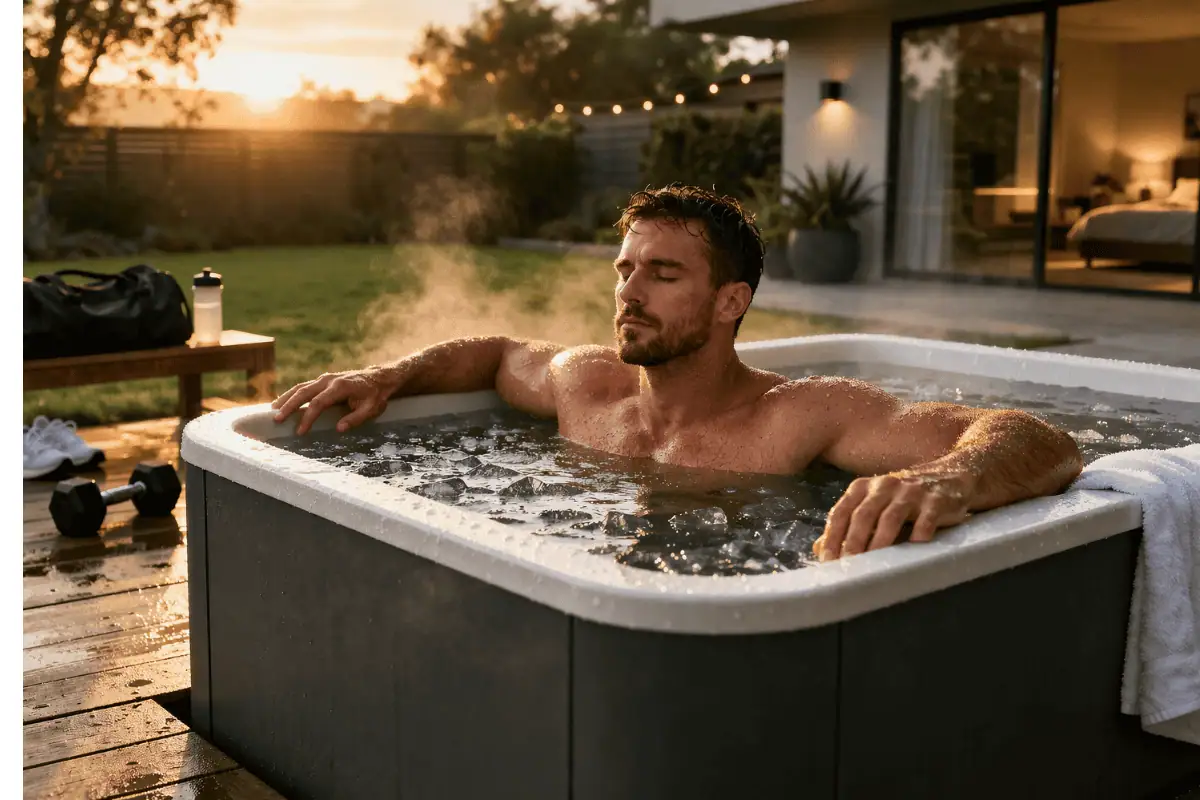
Although cold immersion gained popularity through professional sports, it is not exclusive to elite athletic use. Much of the research now includes recreational exercisers and general wellness populations.
According to Mayo Clinic guidance, the physiological mechanisms—nervous system activation, vascular response, and perceived stress modulation—apply broadly across healthy adults.
The key variable is not athletic status, but appropriate dosing, safety screening, and gradual adaptation.
Where athletes and non-athletes often differ is in the goal and context of use. Athletes may prioritize fast perceived recovery between sessions, especially during high training volume. Non-athletes may prioritize routine building, stress management, and general wellness consistency. Both can be valid goals, but they can lead to different dosing decisions (temperature, duration, and frequency).
A conservative framework for non-athletes is to treat cold plunges as an optional tool rather than a requirement. The most evidence-aligned approach is usually: start with a tolerable temperature, keep sessions short, track how you respond over time, and avoid using cold exposure to “push through” signs of overtraining or chronic fatigue. If you are building your foundational knowledge across topics like temperature, duration, and frequency, the Blog Index can help you follow a structured learning path.
It is also important to acknowledge that “broadly applicable” does not mean “appropriate for everyone.” People with certain health conditions or risk factors may need medical clearance. This is not a scare tactic—it is simply a responsible boundary consistent with conservative guidance from major medical institutions.
Myth #4: Cold Plunges Slow Your Metabolism
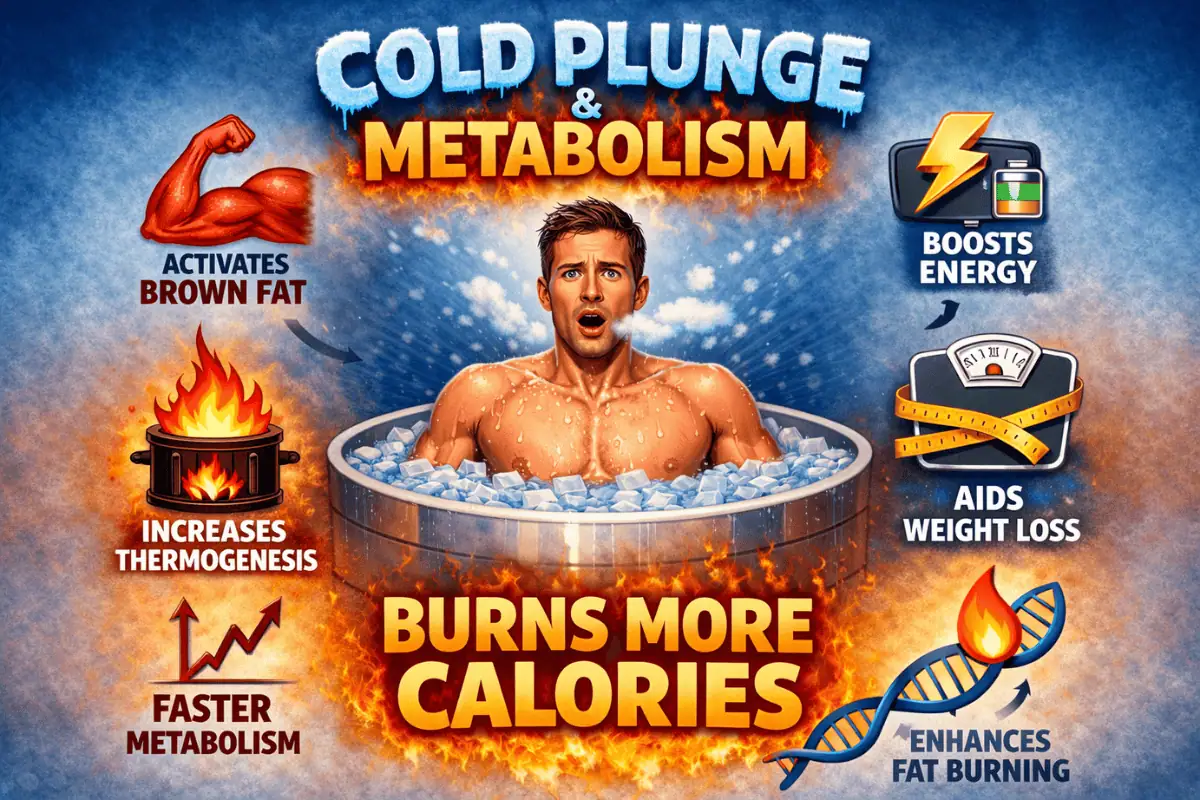
Some assume that cold exposure conserves energy and suppresses metabolism. In practice, acute cold exposure increases metabolic activity through thermogenesis.
Studies indexed on PubMed document short-term increases in metabolic rate due to shivering and non-shivering thermogenesis, particularly involving brown adipose tissue activation.
Long-term metabolic outcomes remain variable, but there is no evidence that responsible cold plunge use suppresses metabolic function in healthy individuals.
A common misunderstanding is that vasoconstriction (heat conservation) implies “metabolism slows.” In reality, the body can conserve heat in the periphery while still increasing internal heat production to maintain core temperature. Thermogenesis can occur through shivering (a visible sign) or through more subtle non-shivering mechanisms. The exact balance varies by person, acclimation history, and the intensity of the cold exposure.
From a practical standpoint, the more important myth to correct is the idea that cold plunges reliably drive large body composition changes by themselves. Even if cold exposure increases energy expenditure modestly in the short term, it does not replace the foundational drivers of body composition such as nutrition, training, sleep, and overall daily activity. A conservative message is: cold plunges may support a wellness routine for some people, but they should not be positioned as a primary fat-loss strategy.
Myth #5: Breathing Control Doesn’t Matter

One of the more dangerous cold plunge myths is the belief that breathing control is optional. Cold shock triggers rapid inhalation and sympathetic nervous system activation.
Without controlled breathing, users may experience dizziness, panic, or loss of motor coordination. The NIH-referenced safety literature consistently emphasizes breathing regulation as a primary safety measure.
This is why beginner protocols stress short durations, seated entry, and nasal or paced breathing techniques.
Breathing control is not about forcing calmness; it is about maintaining enough regulation to make safe decisions. In the first moments of immersion, cold shock can cause involuntary gasping and rapid ventilation. A conservative goal is to regain stable breathing within the first 30–90 seconds. If you cannot, it is usually a sign the exposure is too intense for your current tolerance.
A simple, safety-oriented approach many people find workable is:
- Enter slowly enough that you can keep your airway controlled (no rushed submersion).
- Use steady nasal breathing if possible, or slow, controlled mouth breathing if needed.
- Keep the first sessions short and end while you still feel in control.
If you have questions about how Plunge Sage structures its protocols and safety boundaries (without offering medical advice), the Contact page provides a clear way to reach the site team.
Myth #6: Cold Plunges Are Completely Risk-Free

Cold plunges are often portrayed as universally safe. In reality, cold exposure creates cardiovascular load, especially during initial immersion.
The Cleveland Clinic cautions that individuals with unmanaged cardiovascular conditions, arrhythmias, or Raynaud’s phenomenon should seek medical clearance.
Safety depends on screening, temperature moderation, and adherence to conservative exposure durations.
It can also help to distinguish between expected discomfort and warning signs. Many people experience a predictable cold shock response: faster breathing, a strong urge to escape, and a stinging or burning skin sensation that typically stabilizes as breathing becomes controlled. Those sensations can be unpleasant but are not necessarily dangerous in a healthy individual using conservative dosing.
However, certain symptoms should be treated as signals to exit immediately—such as severe dizziness, confusion, chest pain, faintness, or a feeling of losing control of breathing. Conservative public-facing medical education generally emphasizes that cold exposure should be approached carefully, especially if you have cardiovascular risk factors, are new to cold exposure, or are plunging alone.
Myth #7: Longer Sessions Always Work Better

Duration is frequently misunderstood. Extended cold exposure increases discomfort and risk without proportionally increasing benefit.
Clinical protocols referenced by Mayo Clinic generally recommend short, repeatable exposures rather than prolonged immersion.
Consistency over time appears more relevant than single-session duration extremes.
Myth #8: Cold Plunges Can Replace Sleep or Recovery
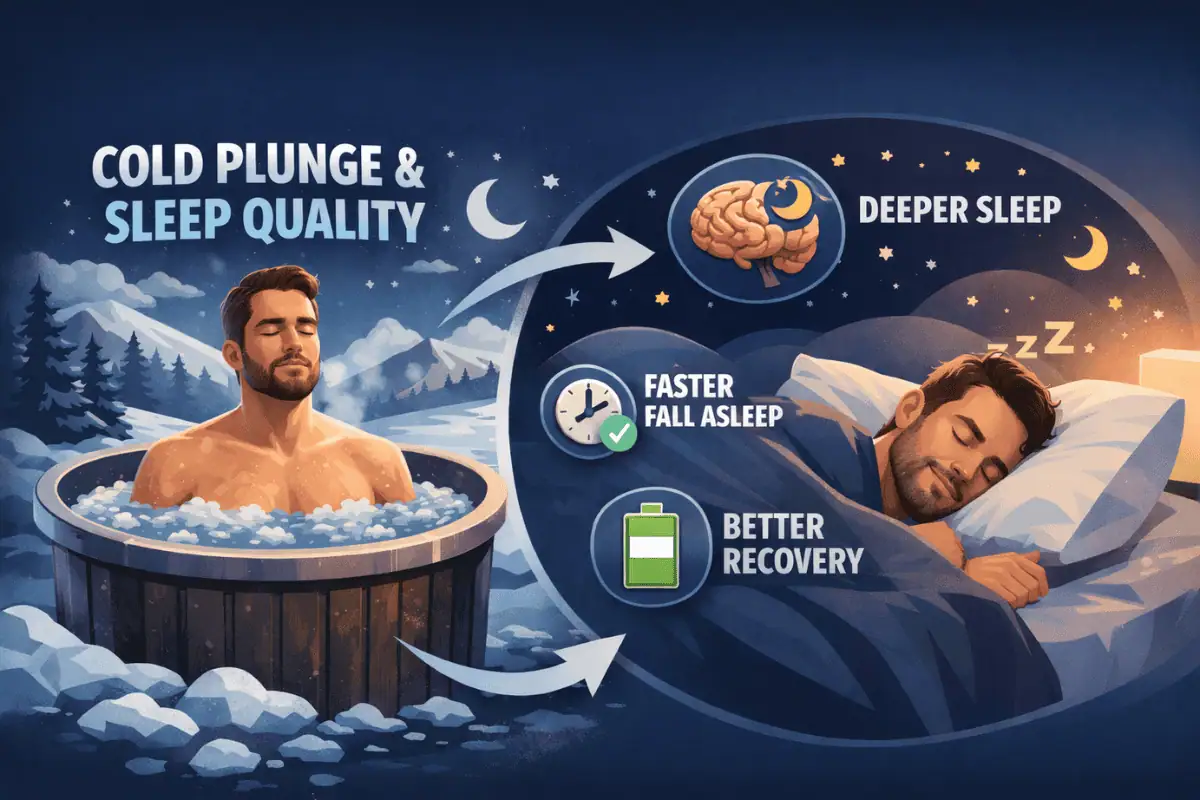
Cold plunges are sometimes positioned as shortcuts that compensate for poor sleep or overtraining. Research does not support this substitution model.
While cold exposure may influence perceived recovery, sleep remains the primary driver of hormonal regulation, immune function, and tissue repair.
Cold plunges should be viewed as a complementary tool, not a replacement for foundational recovery behaviors.
This myth often shows up as an “ownership reality” issue: people treat cold plunges as a recovery credit they can spend elsewhere. In real routines, cold immersion can sometimes improve how you feel in the short term, which may lead to pushing harder than your recovery inputs support. That can be especially relevant if sleep is already compromised or training volume is increasing.
A conservative recovery hierarchy is usually:
- Sleep consistency (schedule and duration)
- Load management (appropriate training intensity and rest)
- Nutrition and hydration (adequate energy and protein)
- Stress management (breathing, mobility, and routine stability)
- Optional modalities (cold plunges used strategically and conservatively)
Placed in that hierarchy, cold plunges can still be useful—especially for perceived recovery or stress resilience—but they do not replace the foundational inputs. This framing helps avoid a common trap: using cold immersion as a substitute for the behaviors that actually determine recovery quality.
Myth #9: Everyone Responds Identically to Cold Exposure
Individual response varies widely due to genetics, body composition, acclimation history, and nervous system sensitivity.
Studies indexed by PubMed show variability in heart rate, blood pressure, and perceived stress responses across populations.
Personalization—not rigid rules—is central to safe and effective cold plunge practice.
What Science Actually Supports About Cold Plunges

When stripped of exaggeration, the research supports a narrower—but credible—set of benefits:
- Short-term modulation of soreness and perceived recovery
- Acute nervous system stimulation followed by parasympathetic rebound
- Potential improvements in stress resilience with consistent practice
These effects align with broader discussions covered in our Cold Plunge Benefits resource.
It is also important to be clear about what is not supported by conservative evidence framing. Broad claims about guaranteed disease prevention, universal mental health outcomes, or predictable body composition changes from cold exposure alone are not appropriate interpretations of the current research base. A responsible reading is that cold immersion may influence certain physiological pathways and perceived outcomes for some people, but results can vary and safety context matters.
How to Avoid Falling for Cold Plunge Myths

Critical evaluation helps prevent misinformation-driven decisions. Reliable guidance emphasizes:
- Gradual exposure and adaptation
- Temperature moderation
- Breathing control and safety screening
- Consistency over intensity
Readers exploring equipment options should reference the Best Cold Plunge Tubs Buyer’s Guide for structured comparisons.
A simple “myth filter” can help evaluate common cold plunge claims:
- Is the claim measurable? (What evidence would actually support it?)
- Is it framed as universal? (Universal guarantees are usually a red flag.)
- Does it ignore safety context? (If so, it is incomplete guidance.)
- Does it confuse sensation with outcome? (Feeling intense is not proof of long-term change.)
For readers who want to build knowledge systematically, the Blog Index can help you move through topics like temperature, duration, and frequency with consistent, conservative framing.
Conclusion: Separating Signal From Noise in Cold Plunge Culture
Cold plunge myths thrive in environments driven by extremes and shortcuts. Scientific evidence supports a more measured, individualized approach grounded in physiology rather than hype.
When practiced conservatively, cold plunges may support recovery and stress resilience—but they are neither miracle cures nor universal solutions.
For next steps, explore our Blog Index or review the Buyer’s Guide to understand where cold immersion fits within a complete recovery framework.
