
Cold Plunge for Inflammation
Published: August 15, 2025
Last updated: January 24, 2026

Inflammation is a natural biological response that plays a role in healing and protection. Interest in cold plunge for inflammation has increased as athletes, wellness practitioners, and recovery-focused individuals look for non-pharmaceutical ways to manage soreness, swelling, and post-exertion discomfort.
This guide explains how cold plunge therapy interacts with inflammatory processes, what current research suggests, and how to approach cold exposure conservatively and safely. The goal is clarity—not promises—so readers can make informed decisions grounded in physiology and evidence.
What Inflammation Is—and Why It Matters

Inflammation is the body’s response to injury, stress, or infection. It involves immune signaling, increased blood flow, and cellular activity designed to protect tissue and initiate repair. Acute inflammation is short-term and often beneficial, while chronic inflammation may contribute to ongoing discomfort or health concerns.
- Acute inflammation: Temporary swelling, redness, and soreness after exercise or injury
- Chronic inflammation: Low-grade, persistent immune activation over time
Understanding this distinction is important because cold exposure interacts differently with short-term inflammatory responses versus long-standing inflammatory conditions.
A practical way to think about inflammation is that it is both a signal and a process. The signal is the body’s “attention marker” that something needs protection or repair. The process is the coordinated immune, vascular, and nervous system activity that follows. In daily life, people often recognize inflammation through how it feels (stiffness, throbbing, warmth, swelling, reduced range of motion) more than through lab markers.
It can help to separate inflammation into two common categories people experience:
- Local inflammation: A specific area feels sore, warm, swollen, or tender (for example, after a hard training session).
- Systemic inflammation: A more generalized pattern of fatigue, achiness, or “run down” feeling that can be influenced by sleep, stress, illness, diet, or underlying health conditions.
Cold plunge therapy is most often used for local, short-term inflammation related to training and recovery. Chronic inflammation is broader and more complex, so the most conservative approach is to treat cold exposure as a comfort and recovery tool, not a cure or primary treatment strategy.
From a decision standpoint, it’s useful to ask three quick questions before using cold plunge for inflammation:
- What is the trigger? (exercise soreness, acute strain, illness, long-term condition)
- What is the goal? (reduce swelling, reduce discomfort, improve recovery comfort, support routine)
- What is the risk profile? (cardiovascular history, Raynaud’s, pregnancy, medication effects, fainting risk)
When the goal is short-term comfort after intense exertion, cold exposure may be reasonable. When the goal is management of complex, chronic issues, the most responsible frame is: cold plunge may be a supportive practice alongside broader lifestyle and medical guidance, rather than a central solution.
How Cold Plunge Therapy Affects Inflammation

Cold plunge therapy primarily affects inflammation through temperature-driven physiological responses. Rapid cooling causes vasoconstriction, temporarily reducing blood flow to peripheral tissues. After rewarming, vasodilation occurs, increasing circulation again.
This process may influence inflammatory signaling by:
- Reducing localized swelling immediately after exposure
- Altering nerve signaling related to pain perception
- Modulating short-term immune responses
According to the National Institutes of Health, cold exposure can influence inflammatory mediators, though effects vary based on timing, temperature, and individual health status.
A useful conservative way to interpret these mechanisms is to focus on what cold reliably does in the short term: it can change blood flow, change nerve signaling, and change the immediate stress response. Each of these can affect how inflammation is experienced, even when deeper biology is still being studied.
For example, swelling often involves fluid movement into tissues as part of the repair response. Cooling can reduce circulation at the surface temporarily, which may reduce the sensation of “puffiness” or throbbing in some situations. At the same time, cold also changes sensory input from the skin and superficial nerves, which may reduce pain perception for a period after exposure.
There is also an important “dose” concept with cold exposure:
- Intensity: colder water typically creates a stronger acute response, but also increases risk and discomfort.
- Duration: longer exposures increase cooling load and can increase adverse reactions without guaranteeing better outcomes.
- Timing: immediately after training may feel better, while very frequent use can be counterproductive for certain adaptation goals.
In other words, cold plunge for inflammation is best treated as a tool that can support short-term recovery comfort rather than a strategy that “turns off” inflammation entirely. Inflammation is part of healing; the practical question is whether cooling helps you feel and function better without increasing risk or interfering with your broader training goals.
Finally, rewarming matters. Many of the perceived benefits come not only from cooling, but also from the return to baseline afterward. A conservative approach is to prioritize gentle, natural rewarming (drying off, warm clothing, moving lightly) rather than aggressive overheating immediately after a plunge.
Cold Plunge for Exercise-Induced Inflammation

One of the most studied applications of cold plunge therapy is post-exercise recovery. Intense physical activity causes microtrauma to muscle fibers, triggering localized inflammation and soreness.
Cold water immersion after exercise may:
- Reduce perceived muscle soreness
- Limit short-term swelling
- Improve subjective recovery comfort
Research indexed on PubMed suggests cold immersion can reduce delayed-onset muscle soreness, though long-term training adaptations may be affected if used excessively.
That adaptation point is one of the most important “decision logic” issues for athletes and active people. Inflammation after training is not automatically bad—it is part of the signaling that tells the body to rebuild and adapt. So the most conservative and practical approach is to use cold plunge more strategically:
- Use it when recovery comfort is the priority: during heavy training weeks, tournaments, or periods with limited recovery time.
- Use it less when long-term adaptation is the priority: during strength-building blocks where muscle remodeling is the main goal.
If your goal is simply to feel functional and reduce soreness enough to move well the next day, a short cold plunge may be reasonable. If your goal is maximizing muscle growth or strength adaptation, frequent aggressive cold exposure immediately after sessions may not be ideal for everyone.
A conservative “middle path” many people use is to separate cold exposure from the training session when possible. For example, instead of plunging immediately post-workout every time, some people reserve cold immersion for:
- Later in the day, after the body has begun its natural recovery sequence
- Non-lifting days, when the main goal is circulation and comfort
- Short blocks (a few sessions per week) during high-stress training periods
This keeps cold plunge therapy aligned with what it tends to do best in practice: improve perceived recovery and comfort, reduce the “heavy legs” feeling, and support consistency—without becoming an automatic reflex after every training session.
The Nervous System’s Role in Inflammatory Response

Cold exposure activates the sympathetic nervous system and influences vagal tone. These nervous system responses may indirectly affect inflammation by altering stress hormone release and immune signaling.
Short, controlled cold plunges may promote:
- Temporary stress-response activation
- Subsequent parasympathetic rebound during recovery
- Altered perception of pain and discomfort
The Cleveland Clinic notes that nervous system regulation plays a meaningful role in how the body experiences inflammation-related discomfort.
This nervous system angle matters because inflammation is not only a tissue-level phenomenon—it is also shaped by how the brain interprets signals from the body. When the nervous system is highly activated (poor sleep, chronic stress, overtraining), people often report heightened sensitivity to soreness, stiffness, and pain. Cold exposure is one tool that may help some people feel “reset” by changing arousal state and attention to discomfort.
However, the nervous system response to cold is highly dose-dependent. A brief, controlled plunge may be followed by a calmer rebound. A long or overly intense plunge can keep the system on high alert, especially in beginners. This is one reason breathing, pacing, and gradual exposure matter when using cold plunge for inflammation-related comfort.
A conservative strategy is to pair cold exposure with calm entry and steady breathing rather than forcing intensity. The goal is not to “win” the plunge; it is to create a tolerable stimulus that supports recovery and does not escalate stress.
Cold Plunge for Acute vs Chronic Inflammation
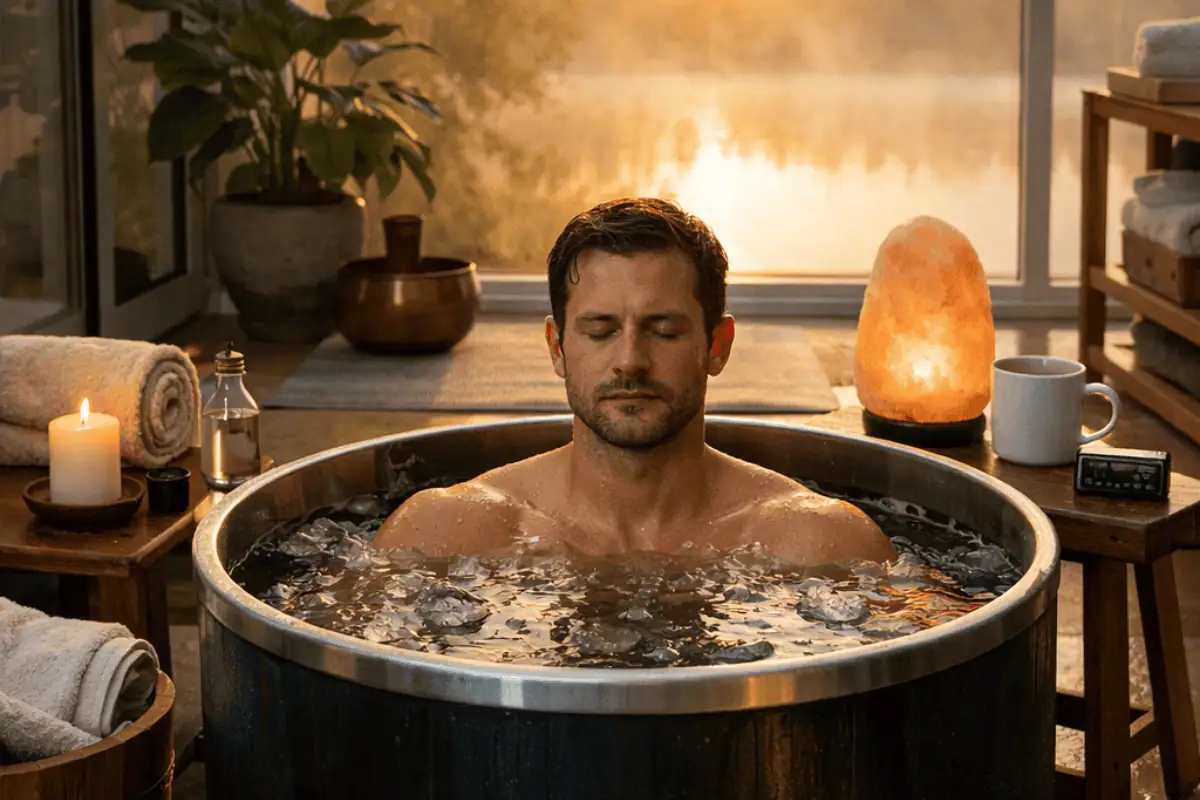
Cold plunge therapy is most commonly used for acute inflammation, such as post-workout soreness or temporary swelling. Its role in chronic inflammatory conditions is less clear and more individualized.
Key considerations include:
- Cold may blunt inflammatory signals temporarily, not resolve underlying causes
- Overuse could interfere with natural tissue adaptation
- Individual tolerance and medical context matter
For broader context on inflammation management, see the Cold Plunge Benefits page.
When people talk about “chronic inflammation,” they often mean one of two things:
- Persistent symptoms: ongoing joint or muscle discomfort that flares and calms in patterns.
- Systemic drivers: lifestyle and health factors that influence inflammation over time (sleep, stress load, metabolic health, illness, medical conditions).
Cold plunge therapy may help some people manage symptom perception—for example, temporarily reducing soreness or stiffness. But it is not a substitute for evaluating underlying drivers, and it should not be positioned as a primary intervention for chronic disease.
A conservative decision framework for chronic issues is:
- If cold reliably improves comfort and function without triggering rebound discomfort, it may be a supportive practice.
- If cold worsens symptoms, increases numbness, or causes prolonged flare-ups, it may not be appropriate.
- If medical risk factors exist, the safest path is professional guidance before regular cold exposure.
This “response-based” approach keeps the practice grounded in observable outcomes while avoiding claims that cold plunge therapy treats the underlying cause of chronic inflammatory conditions.
Limitations of Cold Plunge for Inflammation

Cold plunge therapy does not cure inflammatory diseases or replace medical care. It does not eliminate inflammation permanently or address systemic inflammatory disorders on its own.
Important limitations include:
- No direct treatment of autoimmune conditions
- No substitute for rehabilitation or rest
- Not appropriate for all medical profiles
The Mayo Clinic emphasizes individualized assessment when using cold exposure for symptom management.
It is also worth naming a common misunderstanding: reduced pain does not always mean reduced inflammation. Cold exposure can change nerve signaling and perception, which may lower discomfort even if deeper inflammation processes remain active. That can be helpful for function, but it is not a guarantee of tissue-level change.
For that reason, cold plunge therapy is best used as part of a broader recovery and lifestyle approach that includes appropriate training load management, sleep support, nutrition, and mobility work. In many cases, those foundational factors have a larger influence on long-term inflammation than any single recovery tool.
Conservative Cold Plunge Protocols for Inflammation

When used for inflammation-related discomfort, conservative protocols are preferred. Typical guidelines include:
- Temperature: Cool to cold, not extreme
- Duration: Short exposures (1–3 minutes)
- Frequency: Limited to recovery periods
Detailed equipment considerations are covered in the Best Cold Plunge Tubs Buyer’s Guide.
Safety Considerations and Who Should Avoid Cold Plunge
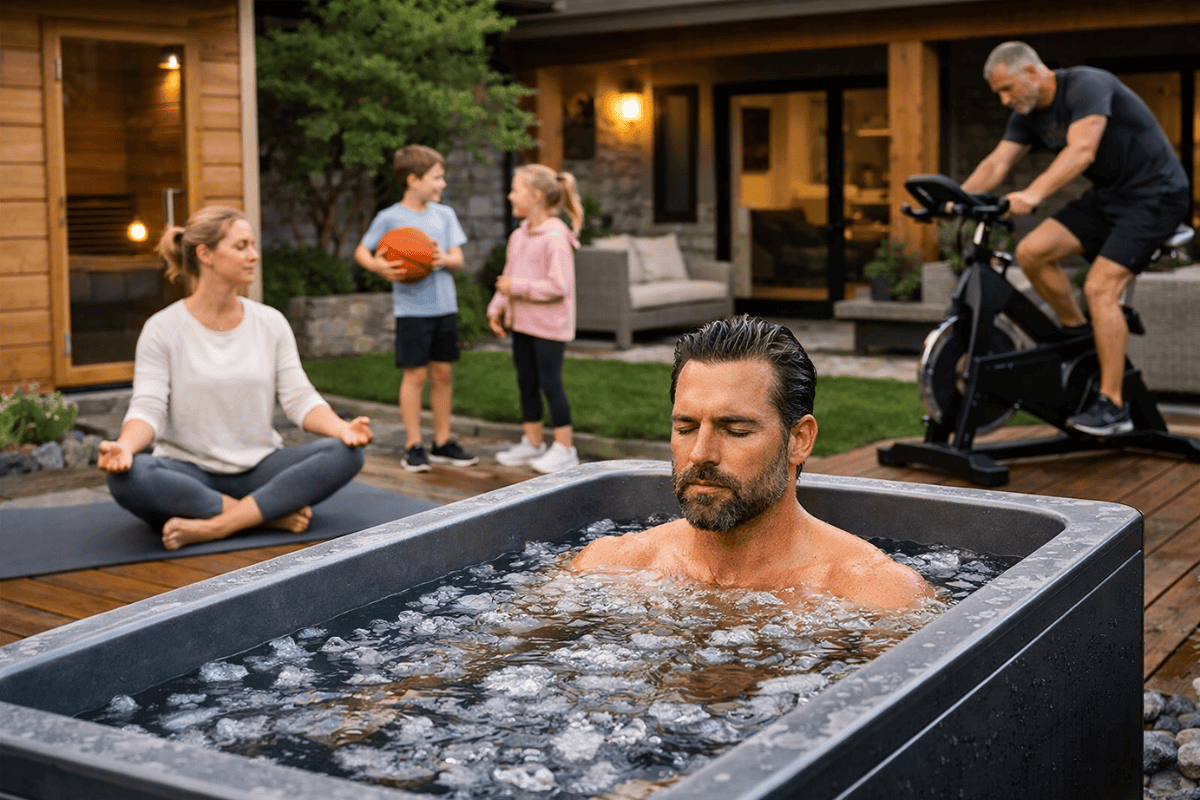
Cold plunge therapy is not appropriate for everyone. Individuals with cardiovascular disease, Raynaud’s phenomenon, or certain neurological conditions should consult a healthcare professional before use.
General safety principles include:
- Avoid breath-holding during entry
- Exit immediately if dizziness or numbness occurs
- Never plunge alone if inexperienced
For broader safety guidance, visit the Cold Plunge Safety & Usage page.
One of the most common early risks is the “cold shock” response: rapid breathing, an urge to gasp, and a short spike in heart rate. This can be startling even in healthy people. A conservative entry strategy is to move slowly, keep your head above water, and focus on controlled exhalations until breathing stabilizes.
It also helps to plan the entire session before you start:
- Know your exit: have a stable step or edge to hold.
- Set a short timer: beginners do better with brief exposure than “pushing through.”
- Warmth ready: towel, dry socks, and warm layers for a calm rewarm.
Red flags that should prompt ending the session include chest pain, severe lightheadedness, confusion, inability to rewarm, or persistent numbness. Conservative use means prioritizing safety signals over intensity, especially when using cold plunge for inflammation and recovery routines.
Cold Plunge vs Other Inflammation Management Tools
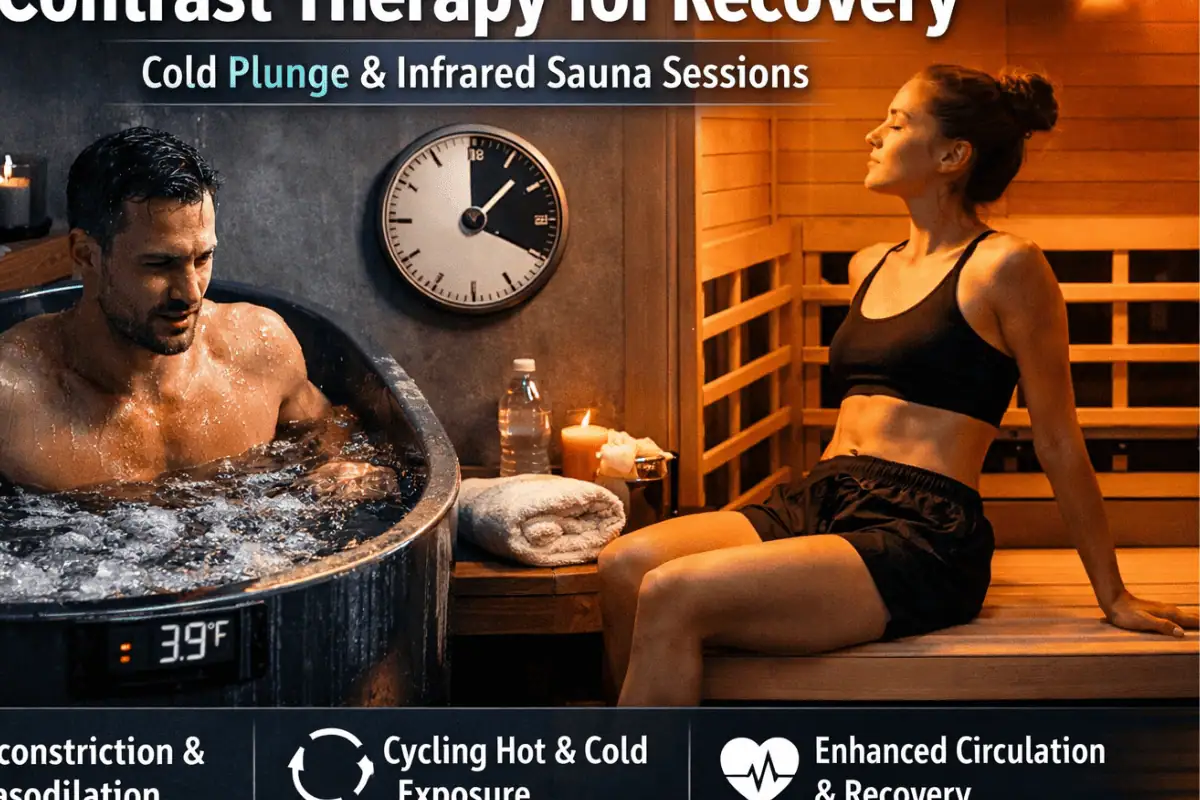
Cold plunge therapy is one tool among many used to manage inflammation. Others include compression, active recovery, sleep optimization, and nutritional strategies.
Cold exposure may be most helpful when:
- Used selectively after intense activity
- Combined with adequate rest
- Integrated into a broader recovery routine
Common Misconceptions About Cold Plunge for Inflammation

Several myths persist around cold plunge therapy and inflammation:
- Myth: More cold equals better results
- Myth: Cold eliminates inflammation completely
- Myth: Daily cold plunging is always beneficial
In reality, moderation and context determine outcomes.
Who May Benefit Most
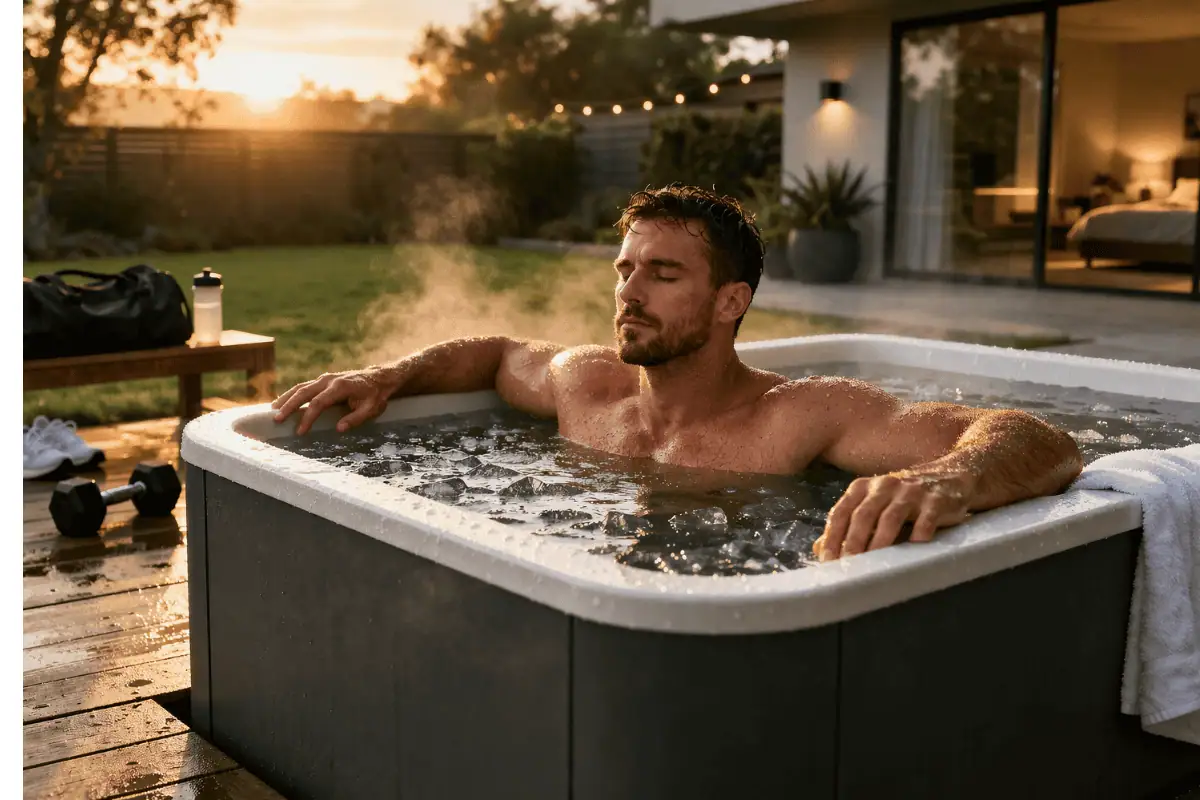
Cold plunge therapy for inflammation is most commonly used by:
- Physically active individuals managing soreness
- Athletes during high training loads
- People seeking non-pharmaceutical comfort strategies
Those interested in equipment options can explore educational comparisons on the Plunge Sage Blog.
Cold Plunge for Inflammation: Practical Takeaways
Cold plunge therapy can influence inflammation-related discomfort through vascular, nervous system, and perceptual mechanisms. Its benefits are most evident in short-term, exercise-related contexts rather than chronic inflammatory conditions.
When used conservatively and safely, cold plunge therapy may support recovery comfort as part of a broader wellness strategy.
Learn More About Cold Plunge Systems
Explore how different cold plunge setups compare for recovery-focused use. View the Buyer’s Guide →
