
Stock Tank Cold Plunge Review

Stock tanks are one of the most commonly discussed entry-level options in cold water immersion. In this stock tank cold plunge review, we evaluate how galvanized or plastic stock tanks actually perform when repurposed for cold plunging, and where their limitations become clear.
Unlike purpose-built systems, stock tanks were originally designed for livestock watering. Their growing popularity in cold plunge circles is driven almost entirely by cost and availability rather than performance optimization.
This review takes a conservative, experience-based look at what users typically encounter: setup realities, temperature management challenges, sanitation tradeoffs, and long-term ownership considerations.
What Is a Stock Tank Cold Plunge?

A stock tank cold plunge is a DIY-style immersion setup using a large agricultural tank—most commonly galvanized steel or high-density polyethylene (HDPE). These tanks are widely sold at farm supply stores and online retailers.
Typical sizes range from 100 to 300 gallons, with round and oval configurations. For cold plunge use, the tank is filled with water and cooled either passively (ice) or through aftermarket chillers.
There is no integrated insulation, filtration, or sanitation system. Everything beyond the container itself must be added or manually managed by the user.
Because cold water immersion affects the body through a rapid cold stimulus (not just “being in cold water”), many users care about repeatability: similar water temperature, similar session length, and similar recovery feel. If you’re still building your baseline understanding, our foundational explainer Cold Plunge Benefits can help you frame what cold immersion is typically used for and what it is not.
For a broader orientation to cold plunge therapy as a category, including common definitions and practical expectations, see Cleveland Clinic’s overview of cold therapy.
Common Materials: Galvanized vs Plastic
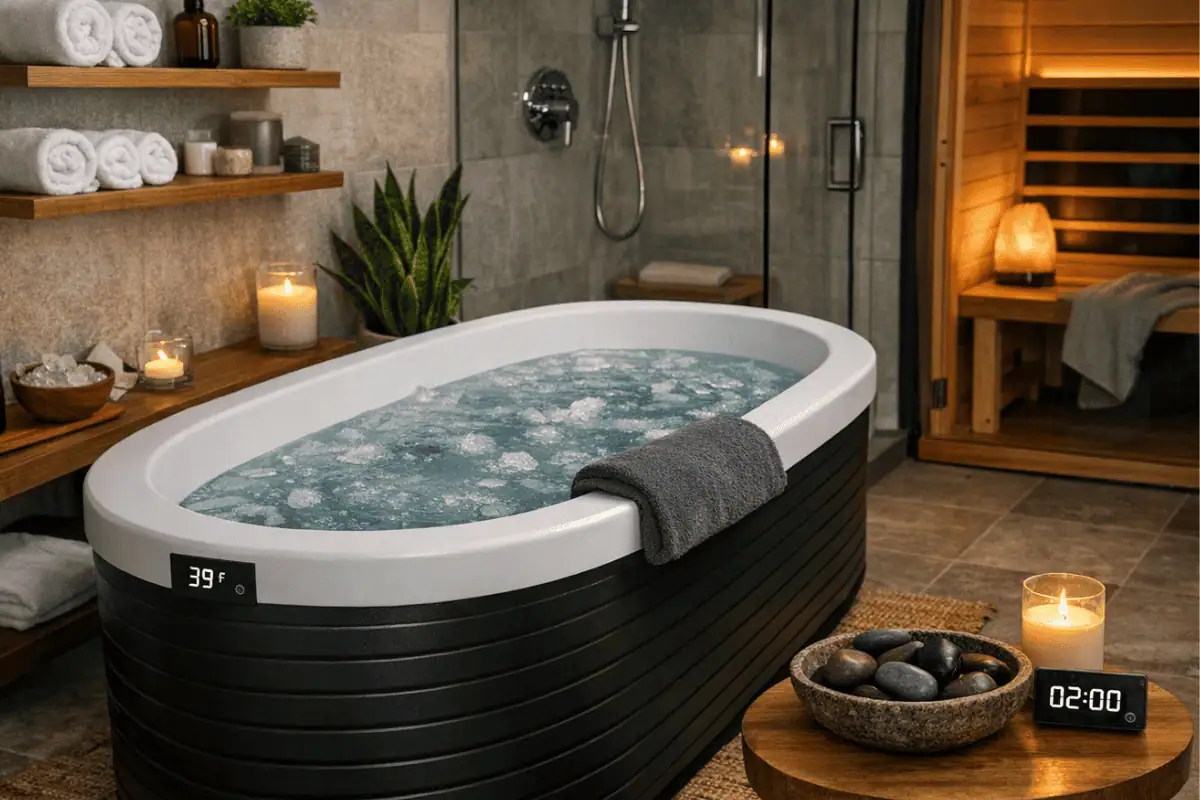
Stock tanks are typically available in two materials, each with distinct implications for cold plunge use.
- Galvanized steel: Durable and rigid, but susceptible to corrosion over time and not designed for prolonged human immersion.
- Plastic (HDPE): Lighter and corrosion-resistant, but more flexible and prone to warping under temperature stress.
Neither option is engineered for thermal efficiency, which becomes a key limitation as plunge frequency increases.
From a “skin contact” perspective, galvanized metal can feel more intense at low water temperatures. It’s not that the metal makes the water colder, but metal transfers heat quickly, so contact points can feel sharper or more biting—especially during entry when your body is still adapting.
For a conservative discussion of how cold exposure can affect the body (and why a controlled approach matters, especially for beginners), Mayo Clinic’s cold exposure guidance is a useful baseline reference: Mayo Clinic: hypothermia overview.
Setup and Footprint Considerations

From a setup perspective, stock tanks are relatively simple. Most users place them outdoors or in garages due to drainage needs and condensation.
Key setup realities include:
- Level ground support (full tanks can exceed 1,500 lbs)
- Proximity to drainage
- Weather exposure management
Indoor placement is possible but significantly increases risk of water damage and humidity issues.
Outdoor placements tend to be the default because they reduce risk to flooring and make draining simpler. The tradeoff is exposure: direct sun can warm water quickly, wind can cool it quickly, and open-air debris can increase cleaning burden. A shaded spot and a basic cover can meaningfully reduce daily temperature drift and reduce contamination from leaves, insects, and dust.
Another overlooked factor is water source access. If you plan to refill frequently, you’ll want a convenient hose connection. If you plan to use filtered water, you may add a pre-filter or a filling routine that takes longer. The more steps involved, the more likely maintenance slips, especially during busy weeks.
If you’re comparing whether a DIY footprint makes sense versus a dedicated unit, it can help to scan the decision frameworks in the Best Cold Plunge Tubs Buyer’s Guide to see what “low friction” looks like across engineered systems.
Temperature Control: Ice vs Chiller

Temperature control is the defining challenge in stock tank ownership. Without insulation, water rapidly equilibrates with ambient conditions.
Most users rely on:
- Ice: Low upfront cost, high ongoing expense and inconsistency
- External chillers: Improved control but require custom plumbing and additional cost
Even with a chiller, heat gain is faster than in purpose-built tubs, leading to longer run times and reduced efficiency.
With ice, the “real-world” experience often looks like this: you add ice, wait for temperature to drop, plunge, and then accept that the water will warm back up over time—sometimes within hours, depending on sun exposure, ambient temperature, and whether the tank is covered. For people who plunge a few times per week and don’t mind variability, this can be workable. For daily plungers, the ongoing logistics can feel like a second job.
Ice also introduces uneven cooling. Without circulation, the top layer may cool faster than the bottom (or vice versa depending on how ice melts and disperses). Many people stir manually or add a small pump to circulate water for a more consistent temperature throughout the tank.
Chillers can provide consistency, but stock tanks were not designed to integrate with them. That means you’re effectively building a DIY loop: water out → chiller → water back in. The details matter: flow rate, hose diameter, filter placement, and sealing quality all affect reliability. Poorly sealed connections can lead to leaks, and poorly planned routing can create tripping hazards.
Another practical point is temperature targets. Some owners aim for very low temperatures early on, but many people find that a moderate temperature—especially at the beginning—can still provide a meaningful “cold stimulus” without making sessions so unpleasant that adherence collapses. If you’re still dialing in your baseline, our guidance pages can help you build conservative decision logic around temperature and time without overreaching.
When thinking about how cold affects the body, it’s useful to remember the initial “cold shock” response is driven by the nervous system. For a scientific overview of cold shock and cold-water immersion physiology, PubMed-indexed reviews can be a helpful reference point, such as: PubMed: cold water immersion and physiological responses (review).
If you’re evaluating chillers specifically (including what features tend to matter most), the roundup Best Chiller-Based Systems is a more direct comparison of engineered chiller setups versus DIY approaches.
Water Quality and Sanitation

Cold water slows microbial growth but does not eliminate it. Stock tanks offer no built-in filtration or sanitation.
Users typically manage water quality through:
- Manual water changes
- Basic mesh filters
- Occasional use of non-chlorine sanitizers
This approach increases maintenance burden and variability in hygiene outcomes.
Water quality is one of the biggest “hidden costs” in a stock tank setup because the container itself does nothing to keep water clean. If the tank is uncovered outdoors, debris will accumulate. If the tank is used by multiple people, water clarity can degrade faster. Even a single user can introduce skin oils, sweat, and environmental contaminants with repeated sessions.
Many owners informally adopt a “risk reduction” routine rather than aiming for laboratory-grade sanitation. Conservative steps often include:
- Showering quickly before plunging (reducing oils and lotions entering the water)
- Using a cover between sessions
- Skimming debris after each use
- Draining and wiping surfaces on a regular cadence
Without filtration, “clean enough” is often defined by smell, clarity, and how quickly residue forms on surfaces. If you notice slippery film, discoloration, or persistent odor, that’s typically a sign your drain-and-clean cadence needs to tighten.
Sanitation is also tied to temperature stability. Warmer water accelerates biological activity, so a tank that drifts into moderate temperatures for long periods can require more frequent maintenance than one that stays reliably cold. This is one reason why owners who attempt year-round use sometimes migrate toward integrated systems.
For general public health context on water and microbial risks (not specific to stock tanks, but useful for conservative hygiene framing), NIH resources can be helpful as a baseline reference: NIH/NIEHS: microbes and health overview.
Comfort, Ergonomics, and User Experience

Stock tanks are not designed around human ergonomics. Most users sit or squat rather than recline.
Common experience factors include:
- Cold metal contact points (galvanized models)
- Lack of steps or seating
- Sharp edges if not modified
While tolerable for short sessions, comfort limitations become more noticeable with frequent use.
Comfort is not just a “luxury” factor. For many people, comfort directly affects consistency. If entry is awkward or unpleasant, sessions get skipped. Stock tanks tend to require more deliberate entry technique because there’s no molded step, no ergonomic seat, and often no non-slip surface.
Users typically adapt by adding simple, non-permanent modifications. These can include a sturdy step stool, a non-slip mat nearby, or padding solutions for sharp edges. The key is to reduce the risk of slips and make the setup repeatable without turning each session into a mini construction project.
Body positioning also matters. In many stock tanks, fully submerging to the neck can be challenging depending on tank depth and your height. Some users accept partial immersion (legs and hips) as their routine, while others try to crouch lower for deeper submersion. Neither approach is “universally correct,” but it does change the subjective intensity of the cold exposure and the breathing response you might notice early in immersion.
Because cold exposure can provoke a strong initial gasp or rapid breathing (especially at colder temps), the physical environment should support stable posture. This is one reason why purpose-built tubs often emphasize controlled entry and stable seating. If you’re early in your cold immersion journey, conservative breathing and pacing guidance is one of the most important safety levers.
For readers who want to explore cold immersion routines and the typical adaptation arc (initial shock → improved control over breathing and comfort), you can browse the educational library on the Plunge Sage Blog for deeper, topic-specific guides.
Safety and Risk Considerations

Safety concerns with stock tanks are primarily environmental and structural rather than physiological.
Key risks include:
- Slipping during entry/exit
- Sharp edges or rust in metal tanks
- Unstable platforms
For general cold plunge safety guidance, see our Cold Plunge Safety & Usage page.
Even when the primary risks are environmental, they still matter because cold exposure can reduce dexterity and make it harder to move quickly if something feels off. A conservative setup prioritizes safe exit above everything else: stable steps, non-slip surfaces, and a clear path to warm clothing.
It’s also reasonable to treat “solo plunging” as a higher-risk scenario—especially for beginners, people with known medical conditions, or anyone using very cold water. Conservative habits include keeping sessions brief, using a timer, and having a plan to warm up gradually afterward.
Ongoing Maintenance and Ownership Effort

Ownership effort is where stock tanks differ most from dedicated cold plunge systems.
Typical maintenance includes:
- Frequent water changes
- Manual cleaning of interior surfaces
- Monitoring water clarity and odor
Users seeking minimal upkeep often outgrow this format within months.
Maintenance effort tends to show up in two ways: the routine tasks you expect (draining, refilling, wiping surfaces) and the tasks you don’t expect (dealing with debris after wind, algae after a warm week, or equipment troubleshooting if you add pumps/chillers).
A practical way to think about ownership is to ask: “What happens when I miss a week?” If you skip maintenance in a stock tank system, water quality can degrade quickly, and getting back to baseline can require a full drain-and-clean rather than a quick filter backwash or sanitizer adjustment.
Many owners end up developing a simple cadence that matches their usage:
- Light-use cadence: occasional plunges, water changes as needed, focus on basic cleanliness and covering the tank
- Regular-use cadence: scheduled drain/clean routine plus a basic circulation strategy to reduce stagnation
- High-use cadence: more “system-like” behavior (cover, pump, filter, possibly a chiller) to reduce water replacement frequency
There’s also a “friction threshold” that matters. If your setup requires too many steps—fetching ice, stirring water, skimming debris, wiping down surfaces—consistency often drops. For many people, the best cold plunge setup is the one that makes adherence easiest, even if the absolute cost is higher.
If you want help deciding whether your routine is better served by a DIY approach or a more integrated option, the decision framework in the Best Cold Plunge Tubs Buyer’s Guide is designed to reduce guesswork and make the tradeoffs clearer.
If you have questions about choosing an approach for your home setup constraints (space, climate, budget, and maintenance tolerance), you can reach us via the Contact page.
Cost Breakdown and Long-Term Value

Upfront costs for stock tanks are low, typically a few hundred dollars. However, long-term costs can exceed expectations.
Recurring expenses may include:
- Ice purchases
- Electricity for chillers
- Water replacement
For comparison with engineered systems, visit our Best Cold Plunge Tubs Buyer’s Guide.
Cost is often what attracts people to stock tanks, but it’s worth separating purchase price from ownership cost. If you use ice frequently, the recurring spend can add up quickly over months. If you add a chiller, the “DIY bargain” can narrow significantly compared with certain entry-level engineered options.
Long-term value also includes time. If maintenance time is high, many people eventually price that time into the decision and upgrade to reduce friction. In that sense, stock tanks can be excellent as a “trial phase” to learn whether cold immersion fits your lifestyle before committing to a more engineered system.
Who a Stock Tank Cold Plunge Is Best For

Stock tanks tend to work best for:
- Experimenters testing cold immersion
- Users with outdoor space
- Those comfortable with DIY maintenance
They are less suitable for daily users seeking convenience or precision.
They can also be a reasonable fit for people who already live in climates where “cold enough” water is naturally available for a large portion of the year. In those cases, the setup can feel simpler because you’re not constantly fighting ambient heat gain.
On the other hand, if you value consistent water temperature, low ongoing effort, and a cleaner water management routine, a stock tank can start to feel like a workaround rather than a solution. That’s especially true when multiple household members use the same tank or when you want a predictable routine during hot months.
Alternatives to Stock Tank Cold Plunges
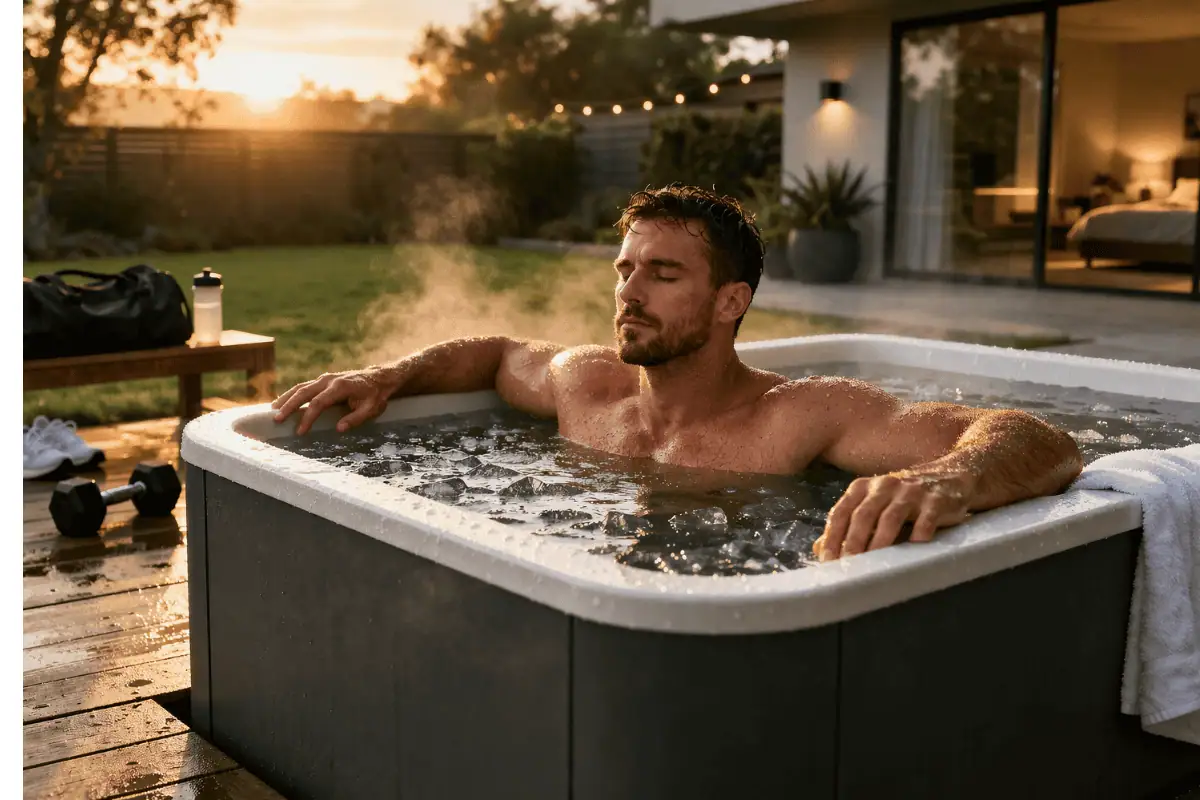
Purpose-built tubs offer integrated cooling, filtration, and safer ergonomics.
To explore higher-performance options, review:
Alternatives also vary by how “complete” the system is out of the box. Some solutions focus on insulation and ergonomics, while others emphasize temperature precision and water management. The right comparison point depends on what you find most limiting about the stock tank approach: temperature drift, cleaning burden, entry/exit safety, or overall convenience.
If you’re building a broader education-first decision process, the Cold Plunge Benefits page can help you align your expectations with conservative, evidence-based framing, and the Blog contains topic-specific guides that may support your next step.
Conclusion: Is a Stock Tank Cold Plunge Worth It?
A stock tank cold plunge can function as a low-cost introduction to cold water immersion, but it comes with meaningful compromises.
For occasional use and experimentation, it may be sufficient. For consistent routines, temperature precision, and lower maintenance, purpose-built systems offer clear advantages.
Next steps: compare engineered options in our Best Cold Plunge Tubs Buyer’s Guide.
If you decide to start with a stock tank, a conservative approach is to prioritize safe entry/exit and a realistic cleaning routine first, then improve temperature control only if you’re using it consistently.
