
Therafrost Cold Plunge Review

Therafrost Cold Plunge Review. This is a conservative, editorial review of the Therafrost cold plunge system—focused on design intent, practical ownership, and safety considerations. The goal is to help you understand what Therafrost appears built to do (and what it may not do), without relying on marketing claims or influencer-style temperature challenges.
Affiliate disclosure note (important): Therafrost is listed as an approved brand with affiliate status pending. Because there is no active affiliate URL in the Plunge Sage registry, this page includes no purchase CTAs, no pricing claims, and no Offer/Product schema for Therafrost. For decision-making, use this review as an information layer and compare options in the Best Cold Plunge Tubs (2025 Buyer’s Guide).
This review is intentionally structured around decision-critical variables that tend to matter after the novelty phase wears off: temperature stability, sanitation burden, placement realities, and the user’s ability to follow a consistent exposure plan. In practice, many “good” tubs fail not because the tub is unusable, but because the routine becomes inconvenient or the maintenance expectations are higher than the owner expected.
Cold plunge therapy is also highly individual. Two people can use the same system and have very different outcomes in terms of consistency, comfort, and perceived benefit. The practical goal is not to chase extremes, but to create a controlled environment where a conservative protocol is realistic week after week.
If you are new to cold water immersion, it can be helpful to review baseline site guidance before getting attached to a particular brand narrative. Plunge Sage maintains dedicated pages for decision framing and education, including the Cold Plunge Benefits page and the Cold Plunge Safety & Usage page.
What Therafrost Is (and Isn’t) in the Cold Plunge Category
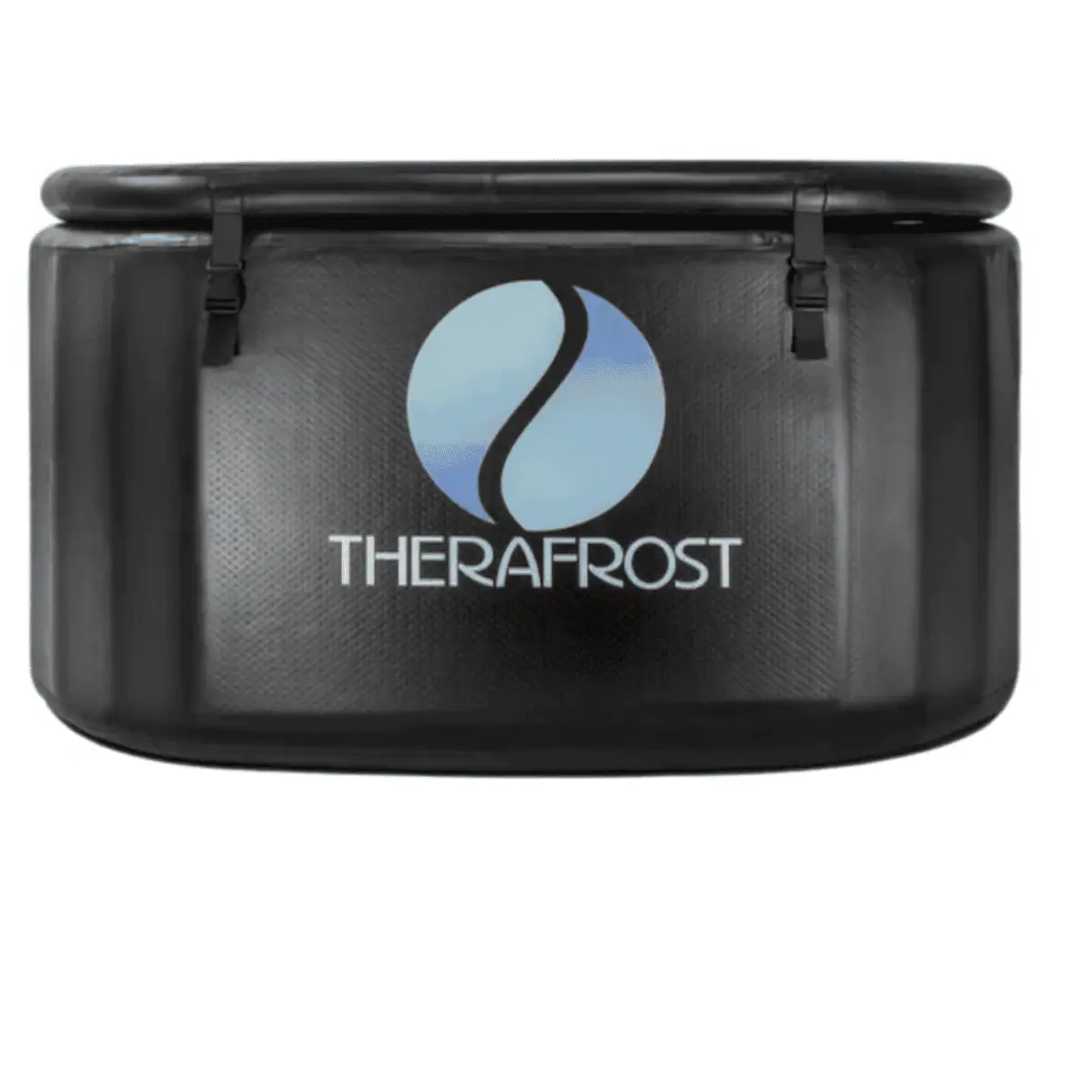
At a category level, Therafrost sits in the “purpose-built cold plunge system” lane—meaning it’s designed to support repeatable cold-water immersion without relying on ice as the primary cooling method. The practical advantage of a dedicated system is not that it makes cold exposure “better,” but that it can make cold exposure more consistent and therefore easier to dose conservatively.
It’s also helpful to clarify what a cold plunge system isn’t. A cold plunge tub is not inherently a medical device, and cold water immersion is not inherently a cure for any condition. The sensible question for most buyers is: Will this system allow me to perform controlled exposure safely, predictably, and sustainably?
If you’re still deciding what “controlled” should mean in your household (temperature range, session length, sanitation tolerance, space and power constraints), start with the decision framework in the Buyer’s Guide before getting attached to a specific brand name.
If you want a research-indexed way to explore what is studied (and how outcomes are defined), PubMed can be used as a starting point: PubMed search results for cold water immersion. This is not to suggest that every study applies to home tubs, but to encourage category-level grounding rather than marketing-driven assumptions.
Build Quality: Why Materials Matter for Long-Term Use
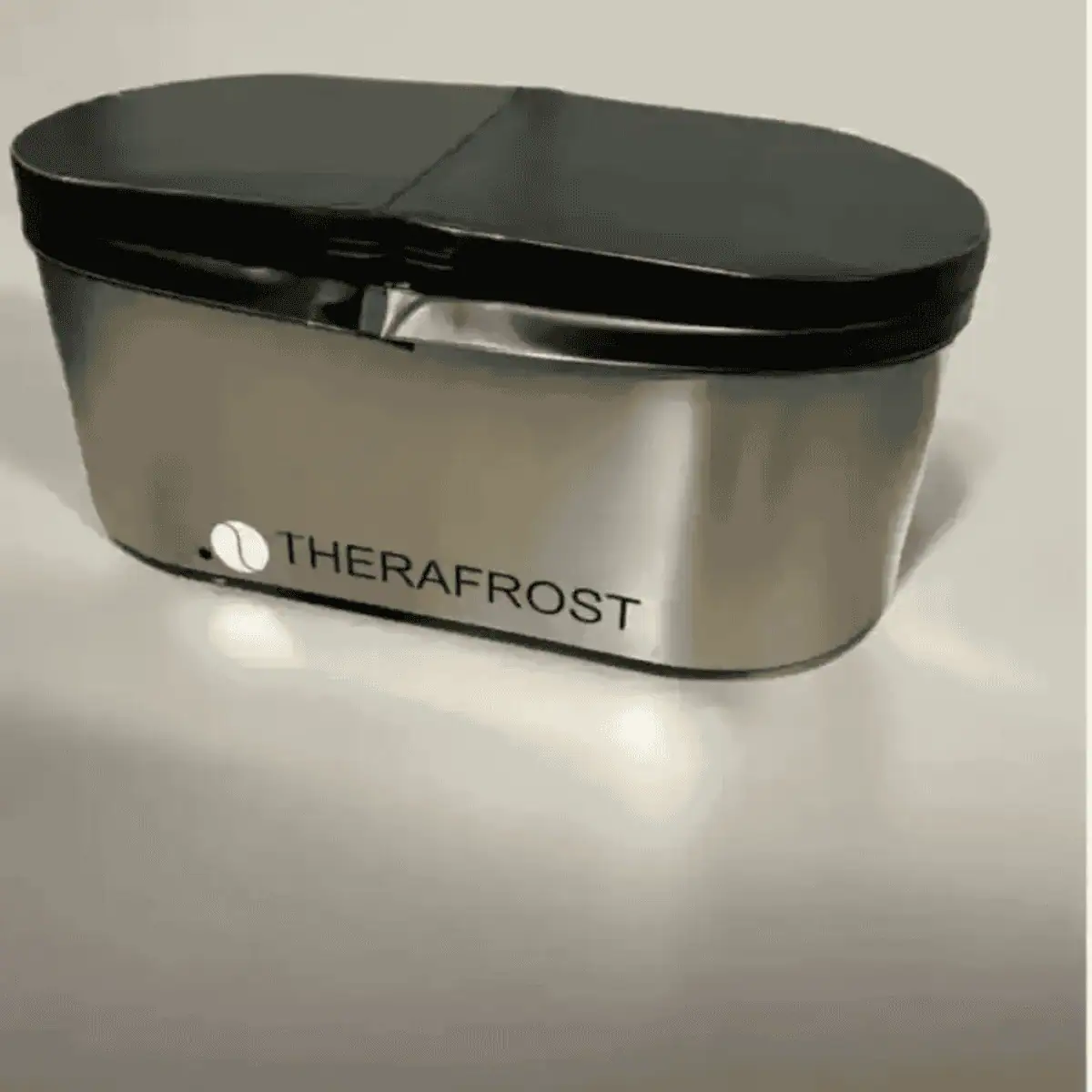
Build quality matters more in cold plunge ownership than most first-time buyers expect. Cold immersion systems deal with repeated thermal cycling, moisture exposure, and the long-term reality of water management. Materials and construction choices influence:
- Durability under temperature swings (expansion/contraction)
- Ease of cleaning (surface finish, seams, access points)
- Insulation performance (how hard the system must work to hold a set temperature)
- Leak and corrosion risk (especially if installed outdoors or in humid environments)
Many higher-end systems use stainless steel because it tends to tolerate long-term moisture exposure and frequent use better than thin plastics. That said, the “best” material is the one that matches your use pattern: daily sessions, occasional sessions, indoor vs outdoor placement, and how much you’re willing to maintain.
For general safety framing around cold exposure, Cleveland Clinic’s educational resources are a useful starting point: Cleveland Clinic guidance on cold plunges and safety considerations.
From an ownership perspective, durability is not only about the shell material. It also includes how surfaces handle frequent contact, how seams or joints are designed, and whether the tub’s interior finish is practical to wipe down without creating “hard to clean” corners where residue accumulates over time.
Another conservative way to think about build quality is: Will the tub be just as usable in month 12 as it is in week 1? Many owners begin with high motivation, but long-term adherence often depends on whether the system feels clean, stable, and easy to maintain as the routine becomes normal.
Placement affects build demands as well. Outdoor or semi-outdoor environments introduce temperature swings, moisture, and debris exposure. Even if a system is “rated” for outdoor use, the practical question is whether the tub’s construction and insulation approach can keep the day-to-day routine predictable in your local conditions.
Temperature Control: Why Stability Is More Important Than “Coldest Possible”

Cold water immersion intensity is driven primarily by water temperature, exposure duration, and your current tolerance. A well-designed cold plunge system aims to hold temperature within a stable range so each session is repeatable.
If you want an evidence-oriented lens for how cold exposure influences the body, PubMed is a good “index” for cold water immersion research: PubMed search results for cold water immersion. Use it as a way to stay grounded in what’s studied (and what isn’t) rather than treating temperature as a contest.
In real-world use, temperature stability often matters for a different reason: it helps you know whether you are progressing responsibly. If every session is a different temperature because of ambient heat, inconsistent cooling, or user-driven variability, it becomes harder to interpret how your body is adapting or whether you are pushing too fast.
If you want a medically conservative overview of cold exposure basics and common cautions, Mayo Clinic’s cold therapy education can provide a practical framing: Mayo Clinic overview of cold therapy basics. While this is not a device-specific source, it supports the broader principle that cold is a stressor and should be dosed appropriately.
The First 2 Minutes: What Users Typically Feel (and What’s Not Normal)
Most first-time users experience a predictable sequence during entry:
- 0–30 seconds: sharp skin sensation, urge to gasp, rapid breathing changes
- 30–90 seconds: breathing begins to stabilize if the person focuses on controlled exhalations
- 90–120 seconds: many people report the session feels more manageable, even if still intense
With consistent exposure (and conservative temperature choices), tolerance often improves over weeks. The point is not to “tough it out,” but to find a safe dose you can repeat.
It’s equally important to define what’s not normal and should trigger an immediate exit: chest pain, severe dizziness, confusion, loss of coordination, or fainting. If you have known cardiovascular conditions—or you’re unsure—treat cold immersion as a higher-risk activity and consult a qualified clinician.
For site-wide safety framing, Plunge Sage maintains a dedicated page: Cold Plunge Safety & Usage.
In practice, many people underestimate how much the first 30 seconds is about breathing control rather than “tolerance.” A conservative approach is to prioritize controlled exhalations and a stable stance over staying in longer. If your breathing remains chaotic or you feel unsafe, the correct move is to exit and adjust the next session’s temperature or entry method.
It can also help to treat entry as a skill. Some users find that gradual entry (rather than a fast drop-in) reduces the initial respiratory spike, while others prefer a steady, intentional entry that avoids hesitation. What matters most is that the method supports a repeatable routine and does not create unnecessary panic or breath-holding.
Finally, adaptation is not linear. Even experienced users can have “hard days,” especially if they are sleep-deprived, stressed, dehydrated, or entering colder water than usual. A conservative routine leaves room for variability and does not require maximum intensity every session.
Insulation and Energy Use: The Hidden “Cost of Ownership” Variable

For most owners, the long-term difference between cold plunge systems is less about initial setup and more about ongoing effort: how often you manage water, how stable the temperature stays, and how much the system must run to maintain that stability.
Insulation influences real-world performance in three ways:
- Temperature consistency: better insulation reduces swing after use and during weather changes
- Cooling workload: less heat gain means the system runs less often to hold setpoint
- Condensation management: stable surfaces reduce “always damp” environments around the tub
Even without exact unit-specific energy numbers, you can evaluate insulation quality by paying attention to design cues: lid quality, wall thickness, and whether the system is intended to tolerate outdoor placement without constant temperature drift.
From a practical ownership standpoint, energy use becomes relevant not just in utility costs, but in reliability. Systems that must cycle frequently to maintain temperature are often louder, experience more component wear, and may struggle in extreme heat or cold. Over time, this can affect whether a tub feels “set and ready” or unpredictable.
A conservative evaluation approach is to ask whether the system is designed to hold a moderate target temperature efficiently, rather than chase the lowest possible number. For many users, consistent mid-40s to low-50s Fahrenheit water is more sustainable than aggressively cold targets that increase workload without clear added benefit.
Water Quality and Sanitation: What Owners Actually Have to Manage

Cold water can slow microbial growth, but it does not eliminate it. “Clean enough” in cold plunge ownership typically depends on a combination of filtration, circulation, and the owner’s willingness to maintain a routine.
In practice, owners usually manage sanitation through:
- Filtration (capturing debris and particulates)
- Circulation (reducing stagnant zones)
- Water replacement cadence (how often the tub is drained/refilled)
- Surface cleaning (biofilm risk increases when cleaning is delayed)
A conservative framework is: if your maintenance routine is too complex, you will eventually skip steps—and that’s where the system becomes less sustainable. This is one reason the “best” system for many households is the one with the simplest maintenance workflow they’ll actually follow.
From a safety and hygiene perspective, Mayo Clinic and NIH resources consistently emphasize that cold temperatures do not sterilize water. Owners should assume that regular cleaning and water management are non-negotiable parts of long-term use, regardless of how advanced the tub appears.
Setup, Footprint, and Placement: Getting the Environment Right
Therafrost systems are commonly positioned in garages, dedicated wellness rooms, or outdoor covered spaces. The most important placement factors are:
- Access and consistency: will you realistically use it 3–5 times per week?
- Drainage plan: where does water go during cleaning/refill?
- Electrical considerations: safe power access (if applicable) and protection from weather
- Privacy and comfort: many users stick with routines when the environment feels “easy”
If you want a placement-driven comparison across categories (outdoor-first vs indoor-first), use the commercial roundup structure in the Blog Index and compare it against your own constraints.
Placement also affects perceived friction. A tub that requires navigating clutter, cold air, or awkward access is less likely to be used consistently—even if it performs well technically. Many long-term users report that convenience, not motivation, ultimately determines adherence.
A conservative planning step is to imagine a “low energy” day: poor sleep, high stress, limited time. If the tub still feels accessible on those days, the placement is likely workable. If it feels like an obstacle, usage frequency often drops over time.
Safety: Cold Shock, Hypothermia Risk, and Who Should Avoid Cold Plunges

Cold plunges concentrate two safety issues that deserve explicit attention: cold shock response during entry and excessive cooling (hypothermia risk) during prolonged exposure.
Cold shock is the immediate spike in breathing and cardiovascular demand that can occur when the skin meets cold water. Hypothermia risk increases with colder water, longer duration, and impaired ability to exit safely. A baseline educational resource on hypothermia is available via the NIH/NLM: MedlinePlus (NIH) overview of hypothermia.
People who should be especially cautious (or avoid cold immersion unless cleared by a clinician) include those with known cardiovascular disease, uncontrolled blood pressure, arrhythmias, history of fainting, and certain cold sensitivity disorders. Safety is not about fear—it’s about acknowledging that cold immersion is a real stressor.
If you have questions specific to your situation, use the Plunge Sage contact channel so you can document concerns and get guided to appropriate resources: Contact Plunge Sage.
Who Therafrost Is Likely Best For (and Who It’s Probably Not For)
Therafrost may be a fit for:
- People committed to routine cold exposure who want a dedicated system rather than ice management
- Buyers prioritizing durability and a long-term home wellness setup
- Households where consistency matters more than “extreme cold” goals
Therafrost may not be a fit for:
- Buyers who are still experimenting and unsure whether cold immersion will become a habit
- Anyone who wants “set-and-forget” ownership but dislikes maintenance tasks
- People with safety contraindications who have not been cleared for cold exposure
If you want a structured way to compare “best for” categories across brands and system types, the Buyer’s Guide is the correct hub page.
A conservative takeaway is that no cold plunge system is universally “best.” The most sustainable option is the one that aligns with your environment, your tolerance for maintenance, and your willingness to follow a measured protocol over time.
How Therafrost Compares to Active Affiliate Alternatives (Editorial-Only Comparison)
Because Therafrost is affiliate-pending, this section stays strictly comparative and avoids pricing or purchase language. In general, when comparing Therafrost to other categories, you can think in terms of:
- Temperature control philosophy: stability and predictability versus pushing toward the lowest achievable temperatures
- Maintenance workflow: how often water must be monitored, cleaned, or replaced to remain usable
- Fit and placement: whether the system is better suited for indoor, garage, or outdoor use based on insulation and footprint
If you want to compare Therafrost against brands that are fully monetizable on Plunge Sage, navigate from the Blog Index to individual reviews, then return to the Buyer’s Guide for full context. This top-down comparison structure helps prevent over-weighting individual features without considering tradeoffs.
For a medically conservative overview of who should approach cold exposure cautiously, Mayo Clinic’s general cold therapy guidance provides helpful framing: Mayo Clinic overview of cold therapy basics. While not device-specific, it reinforces the idea that cold immersion should be treated as a stressor rather than a shortcut.
Practical Checklist: What to Verify Before You Commit
Before committing to any cold plunge system—Therafrost included—verify the decision-critical basics. A short checklist:
- Placement: where will the tub live, and is it protected from extreme weather?
- Access: can you enter and exit safely every time, especially when breathing is elevated?
- Sanitation: what is the ongoing maintenance plan, and will you realistically follow it?
- Temperature plan: what range will you actually use, and how will progression be managed conservatively?
- Safety plan: do you have contraindications, and do you know your personal exit criteria?
These questions are not unique to Therafrost. They apply to all cold plunge systems, from basic tubs to fully integrated setups. Skipping this step often leads to regret after the initial excitement fades.
If you want a single page that organizes these considerations into a structured buying framework—with links to roundups and reviews—the Best Cold Plunge Tubs Buyer’s Guide is the correct next step. For conservative benefit framing that avoids exaggerated claims, you can also review Cold Plunge Benefits.
Conclusion
This Therafrost Cold Plunge Review is an editorial assessment focused on design intent, temperature stability, and ownership realities such as sanitation and placement. The central question is not whether Therafrost is “the coldest” or “the most viral,” but whether it supports conservative, repeatable cold immersion that can be maintained safely over time.
Next steps: If you are actively shopping, use the Buyer’s Guide as your decision hub, then compare system types, maintenance burden, and safety fit before choosing a brand. Start here: Best Cold Plunge Tubs (2025 Buyer’s Guide).
As with any cold exposure practice, consistency and restraint tend to matter more than extremes. A system that supports a measured routine is more likely to deliver sustainable value than one that prioritizes novelty.
