
Best Outdoor Cold Plunge Tubs

Outdoor cold plunge tubs are designed for exposure beyond climate-controlled interiors. Rain, temperature swings, debris, and uneven surfaces introduce constraints that indoor systems never face. As a result, durability, sanitation stability, and temperature consistency matter more outdoors than headline temperature claims.
When a cold plunge is placed outside, it stops being a simple piece of wellness equipment and becomes part of the physical environment. Sun exposure can warm water faster than expected. Overnight temperature drops can increase perceived cold even when the thermostat setting remains unchanged. Wind can strip heat from the body immediately upon entry, intensifying the experience before the nervous system has time to adapt.
These environmental factors explain why many first-time outdoor owners feel that cold plunging “hits harder” outside, even at the same numerical temperature. The system is not necessarily colder; the conditions surrounding it amplify the stress signal. This makes outdoor systems uniquely effective for experienced users—but also more demanding for beginners.
This roundup evaluates the best outdoor cold plunge tubs using a conservative, ownership-focused framework. The goal is not to crown the coldest tub, but to identify systems that can live outdoors year-round with predictable performance and manageable upkeep. In outdoor settings, reliability and consistency tend to matter more than extreme specifications.
Throughout this guide, we compare construction materials, cooling systems, filtration workflows, and real-world setup considerations. We also highlight where outdoor use increases risk, what tradeoffs buyers commonly underestimate, and which types of users tend to succeed—or struggle—with an outdoor setup over time.
One framing that helps: an outdoor plunge is not just “a tub that goes outside.” It is a system you will manage through seasons. That means the purchase decision should be anchored to ownership realities: how often you plan to plunge, how much time you will spend on water care, how exposed the unit will be, and how tolerant you are of small maintenance frictions that compound over months.
If you’re planning to place a plunge fully exposed in a backyard, weather resistance and sanitation stability become primary. If you’re placing it in a garage with good airflow and a floor drain, the decision shifts toward footprint, noise tolerance, and service access. Outdoor is not one environment—there are outdoor tiers, and each tier changes what “best” means.
A final point before you choose: outdoor use tends to “stress test” every weak link. If a system requires frequent fiddling indoors, that friction usually increases outdoors. If a system is stable indoors, it still needs to be stable with added debris and temperature swing. The goal is not perfection. The goal is predictability—so the plunge becomes a habit, not a project.
What Makes a Cold Plunge Suitable for Outdoor Use

An outdoor cold plunge must tolerate more than cold water. Environmental exposure places stress on seals, electronics, plumbing, insulation, and sanitation systems simultaneously. Products designed primarily for indoor use often struggle when placed outdoors long term, even if they perform well during initial weeks or months.
Outdoor readiness is not determined by a single feature or marketing label. Instead, it reflects how well the system handles cumulative stress: repeated heating and cooling cycles, moisture intrusion, debris accumulation, and ultraviolet exposure. Small weaknesses that would be inconsequential indoors tend to accelerate wear outdoors.
- Weather resistance: Proper sealing, corrosion-resistant fittings, and protected electronics help prevent water ingress, rust, and freeze damage.
- Stable sanitation: Filtration and ozone or UV systems must manage pollen, insects, dust, and organic debris without requiring constant manual correction.
- Structural durability: Shell materials must resist cracking, warping, fading, and degradation when exposed to sun, cold, and moisture.
- Service access: Outdoor placement should allow filters, pumps, and fittings to be accessed easily without draining or relocating the tub.
One of the most common buyer mistakes is assuming that aesthetic suitability equals functional suitability. A tub that looks appropriate on a patio may still struggle mechanically when exposed to seasonal changes. True outdoor-ready systems tend to prioritize boring but critical details: insulation thickness, component placement, and serviceability.
Outdoor systems also need a realistic strategy for keeping water clean in the presence of debris. Even if you use a cover, outdoor water is exposed to more organic load: leaves, pollen, dust, and insects. This impacts filtration demand, water clarity, and the likelihood that you will need to change water sooner than you would indoors. A system that is “outdoor ready” is one that makes these tasks predictable rather than constant surprises.
To make the decision more concrete, think in terms of failure points. Outdoors, common failure points include: seals that degrade from UV, fittings that loosen with temperature cycling, electronics that don’t tolerate humidity, and insulation that is too thin to keep temperatures stable. You don’t need to be technical to evaluate this—you need to ensure the product is designed to be serviced and protected in the environment you actually have.
Outdoor tiers that change what matters
“Outdoor” can mean several different real-world placements. Your tier changes which features matter most and how much ownership burden you should expect.
- Fully exposed backyard placement: Highest debris load and weather exposure; insulation, sealing, and cover quality matter most.
- Covered patio placement: Reduced rain exposure but still high debris and temperature swing; service access and airflow matter more.
- Garage placement with airflow: Lower debris and weather exposure; noise, footprint, drainage, and convenience become primary.
- Three-season room / semi-enclosed space: Lower environmental stress but still not climate controlled; ventilation and humidity management become important.
Decision shortcut: “Will I actually use this outside?”
Outdoor cold plunge ownership tends to fail for a simple reason: the system becomes inconvenient. A short, repeatable routine beats a perfect system that is hard to access. Before you buy, it helps to mentally test the routine: walking outside in cold air, removing the cover, entering safely, exiting safely, drying, and returning inside. Outdoor readiness is partly engineering—and partly habit design.
For a broader framework on how plunge systems differ by design, intended use, and ownership profile, see the Best Cold Plunge Tubs Buyer’s Guide.
Outdoor Safety and Environmental Considerations

Cold water immersion is a physiological stressor by nature, but outdoor setups introduce additional environmental variables that must be managed deliberately. Electrical exposure, footing stability, and temperature drift are not theoretical concerns—they are among the most common sources of preventable accidents.
Outdoor electrical safety deserves particular attention. Moisture, condensation, and rain increase the importance of proper grounding and circuit protection. Systems that rely on extension cords, shared outlets, or temporary connections often create risk without the user realizing it.
The Cleveland Clinic emphasizes that cold plunges are not appropriate for everyone and should be approached cautiously, especially by individuals with cardiovascular conditions (Cleveland Clinic guidance).
- Use GFCI-protected outlets for any powered components.
- Install non-slip surfaces or mats around entry and exit points.
- Monitor water temperature during heat waves or cold snaps.
Outdoor environments can also magnify the perceived intensity of a plunge. Wind chill, cold air on exposed skin, and visual exposure can elevate sympathetic nervous system activation. For experienced users, this may be desirable. For beginners, it increases the importance of gradual exposure and controlled breathing.
A helpful safety lens is to separate physiological risk from environmental risk. Physiological risk is about how your body responds to cold stress. Environmental risk is about the setup: slippery decking, poor drainage, inadequate lighting during early mornings, or electrical routing that creates trip hazards. Many outdoor incidents are not about the plunge itself—they are about the environment around it.
Outdoor users should also account for exit safety. Leaving cold water can temporarily reduce dexterity and make footing feel less stable. If the area around the tub is wet, uneven, or poorly lit, that’s where preventable injuries tend to happen. A stable step, a handhold, and a consistent exit path do more for safety than most “premium” features.
Outdoor risk reduction checklist
- Lighting: If you plunge early or late, make sure the entry/exit area is consistently lit.
- Drainage: Standing water around the tub increases slip risk and can create muddy, unstable footing.
- Entry/exit path: Keep the path short and clear so the routine stays realistic in bad weather.
- Cover handling: Covers can become heavy or awkward when wet; plan where the cover goes every time.
- Weather interruptions: Wind, storms, and ice can change the risk profile quickly; avoid “pushing through” unsafe conditions.
Top Outdoor Pick: Aquavoss Cold Plunge Systems

Aquavoss systems are engineered with outdoor placement in mind. Their insulated construction and integrated sanitation systems make them a strong option for backyard or garage installations where consistency and reliability outweigh the desire for minimal upfront cost.
In outdoor environments, insulation directly affects both performance and operating cost. Poorly insulated tubs require chillers to cycle more frequently, increasing wear and energy consumption. Aquavoss prioritizes temperature stability, which helps maintain predictable cold exposure even when ambient conditions fluctuate throughout the day.
Why it stands out outdoors:
- Robust insulation for temperature stability across seasons.
- Integrated filtration that reduces manual water management.
- Durable shell designed to tolerate environmental exposure.
Read full review → Aquavoss Cold Plunge Review
Aquavoss tends to suit users who plan frequent plunges and value low daily friction. It may be less appealing for users who only plunge occasionally or who want the simplest possible system with minimal upfront investment.
For outdoor buyers, “best” often means the system that stays consistent when you are not thinking about it. If you intend to plunge before work, after training, or on a set weekly cadence, you want temperature control and sanitation that do not require a long checklist every time. Outdoor ownership is easiest when the system supports repeatability: clean water, stable temperature, and predictable maintenance.
Ownership fit: who Aquavoss tends to match well
- Consistency-first users: People who want the system to “just work” with minimal daily effort.
- Year-round outdoor owners: People who expect their plunge to stay outside through seasonal changes.
- Routine builders: People who plan a set cadence (training days, morning routine, recovery blocks).
Aquavoss Outdoor Systems
Explore Aquavoss cold plunge tubs designed for consistent outdoor use. View Aquavoss Options →
Canuck Cold: Performance-Oriented Outdoor Use

Canuck Cold tubs emphasize performance and structural integrity. Their cedar and composite designs are frequently selected for outdoor athlete setups where durability, insulation, and visual integration all matter.
These systems are commonly used in colder climates, where freeze resistance and insulation become critical. Outdoor users who plunge year-round often prioritize materials that tolerate temperature swings without cracking or degrading.
- Designed for repeated, high-frequency use.
- Strong insulation suitable for cold regions.
- Compatible with backyard, patio, and semi-covered installations.
Read full review → Canuck Cold Plunge Review
Performance-oriented systems often require slightly more owner engagement. Filters, covers, and water chemistry still demand attention, especially in environments with heavy debris or tree cover.
Canuck Cold tends to fit owners who value the ritual and are comfortable maintaining a performance tool. Outdoor athletes often prefer systems that feel “built,” not improvised. The tradeoff is that outdoor performance setups still require ownership discipline: keeping the cover on, checking water quality, and maintaining a clean entry/exit area so daily use remains realistic.
Ownership fit: who Canuck Cold tends to match well
- Performance users: People who treat cold exposure as part of training and recovery.
- Cold-climate owners: People who expect winter use and want a system that tolerates seasonal swing.
- Hands-on maintainers: People comfortable with routine checks and maintenance as part of the habit.
Canuck Cold Outdoor Plunges
Performance-focused cold plunge tubs for outdoor recovery. See Canuck Cold Systems →
Editorial Option: Therafrost Outdoor Systems
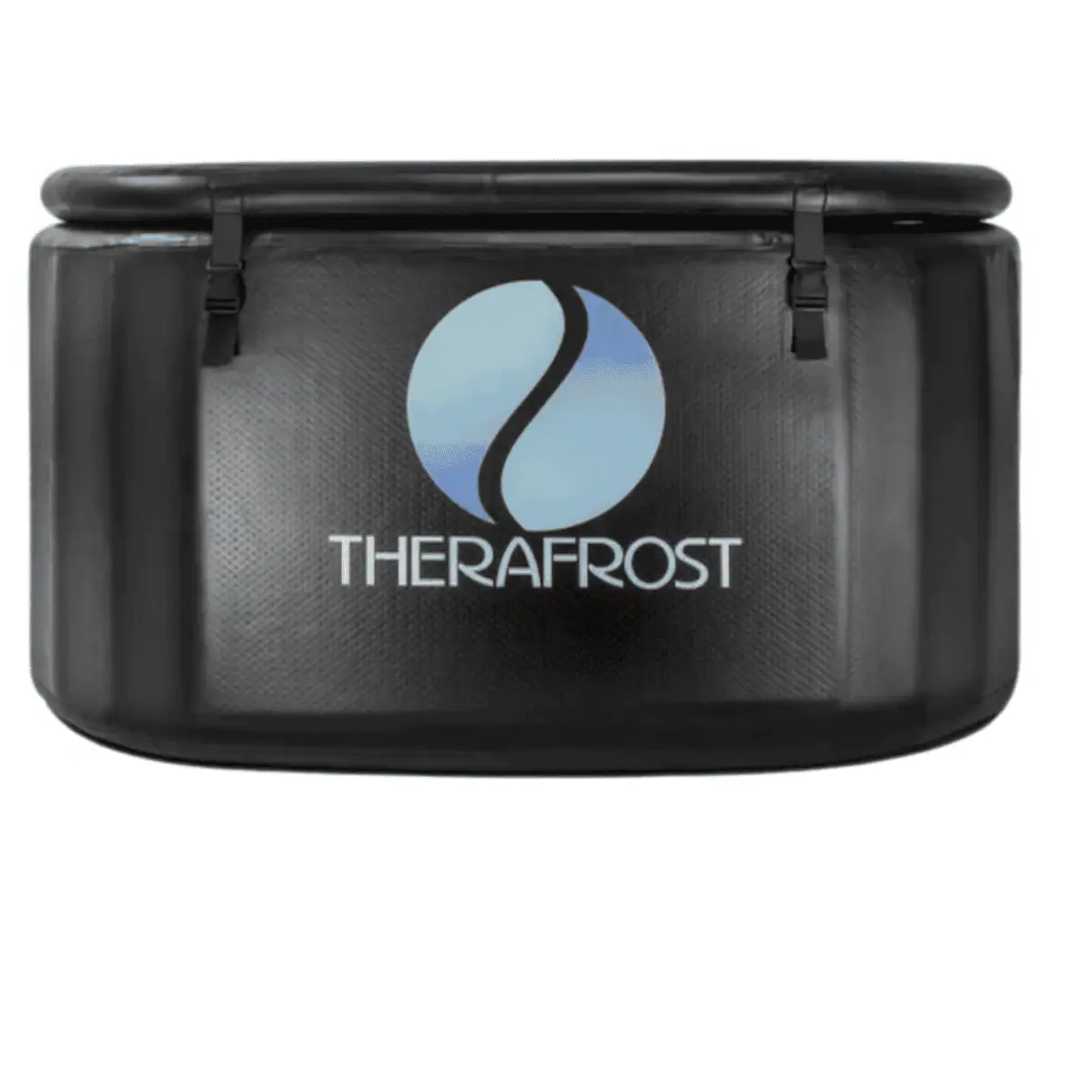
Therafrost systems are frequently considered for outdoor installations due to their stainless-steel construction and commercial-style build. While affiliate monetization is pending, they remain relevant for comparison.
Stainless steel resists corrosion, UV damage, and surface wear better than many polymers. This makes it attractive for permanent outdoor installations where aesthetics and longevity matter. However, these advantages come with higher cost, increased complexity, and less flexibility once installed.
Notable characteristics:
- Stainless steel construction resists weather damage.
- Designed for long-term, stationary placement.
- Higher ownership complexity than entry-level tubs.
Read full review → Therafrost Cold Plunge Review
These systems are often best suited to users who view their plunge as a fixed infrastructure element rather than a movable wellness tool.
For outdoor buyers considering stainless steel, the key question is not simply durability—it is whether you want a “permanent installation” mindset. Permanent installs can be excellent, but they can also make servicing, drainage planning, and placement decisions harder to change later. Outdoor ownership is easiest when access remains straightforward.
When stainless steel is a strong outdoor match
- Permanent placement: You know exactly where the tub will live for years, not months.
- Low tolerance for material degradation: You want a surface that handles UV and weather better over time.
- Infrastructure mindset: You’re willing to plan drainage, access, and servicing as part of installation.
Cold Exposure Physiology in Outdoor Settings

Outdoor plunges often feel more intense due to wind, ambient temperature, and visual stimuli. These environmental inputs amplify sympathetic nervous system activation, even when water temperature remains constant.
Cold exposure triggers vasoconstriction, increases heart rate, and activates stress-response pathways. Outdoors, added sensory load can heighten these effects, particularly during the first 30–60 seconds of immersion.
Research summarized in PubMed highlights how cold exposure triggers vasoconstriction and heart rate changes, emphasizing the importance of controlled exposure (PubMed review on cold water immersion).
Normal responses include rapid breathing, skin discomfort, and an initial stress response that settles with controlled breathing. Persistent dizziness, chest discomfort, or confusion are not typical and should be treated as warning signs.
Outdoors, another factor is what happens immediately after the plunge. Cold air can continue to pull heat away from the skin as you exit. This can make the after-period feel more demanding than the immersion itself, especially in winter or windy conditions. Having a consistent transition routine—drying quickly, moving to shelter, or warming gradually—helps prevent the plunge from turning into a prolonged stress exposure.
Why outdoor plunges can feel harder at the same temperature
- Wind exposure: Moving air increases heat loss immediately on entry and exit.
- Cold air on the face: The face and upper body can trigger a stronger stress response when exposed to cold air.
- Environmental stimulation: Outdoor noise, light, and visual exposure can raise arousal and amplify sympathetic tone.
- Post-immersion cooling: The body can continue cooling after you exit if you stay exposed.
For a deeper dive into cardiovascular response, see Cold Plunge and Heart Rate.
Outdoor Cold Plunge Comparison

| Brand | Outdoor Durability | Sanitation | Best For |
|---|---|---|---|
| Aquavoss | High | Integrated filtration | Year-round backyard use |
| Canuck Cold | High | Manual + filtration | Athletes & performance users |
| Therafrost | Very High | Commercial-grade | Permanent outdoor installs |
How to read the comparison table
Outdoor durability is about how well the system tolerates long-term exposure. Sanitation is about how much the system supports clean, repeatable water without constant intervention. “Best for” is not about status or bragging rights—it is about matching the system to your routine and ownership tolerance.
Maintenance Realities for Outdoor Cold Plunge Tubs

Outdoor placement increases debris exposure and temperature variability. Leaves, insects, dust, pollen, and precipitation accelerate sanitation demands compared to indoor environments.
- More frequent filter checks.
- Seasonal water changes may be required.
- Winterization planning in freezing climates.
Neglecting maintenance outdoors often leads to water quality problems faster than expected. Covers, skimming, and routine inspections become essential habits rather than optional tasks.
The NIH notes that cold exposure places stress on cardiovascular systems, reinforcing the need for consistent maintenance and controlled use (NIH cold exposure overview).
A practical way to think about outdoor maintenance is to separate daily friction from periodic tasks. Daily friction includes things like checking that the cover is seated, clearing debris before entry, and ensuring the area around the tub is safe. Periodic tasks include filter maintenance, deeper cleaning, and water changes. Outdoor systems are sustainable when daily friction is low and periodic tasks are predictable.
Seasonal variability is the main reason outdoor owners underestimate maintenance. In fall, leaf and pollen load can be high. In summer, warmer ambient temperatures can create faster water quality drift. In winter, freeze risk affects exposed hoses, fittings, and drains. The “best” outdoor tub is often the one that makes these seasonal transitions straightforward.
Common outdoor maintenance mistakes
- Leaving the tub uncovered “just for a day”: Outdoor debris can change water quality quickly, especially near trees.
- Underestimating filter load: Outdoor filters can clog sooner due to pollen and organic debris.
- Ignoring small leaks: Outdoor temperature cycling can worsen fittings over time; minor drips can become bigger issues.
- Skipping routine inspection: A quick weekly check prevents surprises that become expensive or disruptive.
Seasonal ownership expectations
- Spring (pollen): Higher organic load; expect more frequent skimming and filter checks.
- Summer (heat): Warmer ambient conditions can increase sanitation drift; cover discipline matters more.
- Fall (leaves): Debris load is highest; a nearby tree canopy often increases maintenance significantly.
- Winter (freeze risk): Drainage, exposed lines, and exit safety become primary concerns.
Outdoor Placement and Setup Tips

Choosing the right location can reduce maintenance and improve safety. Poor placement often leads to unnecessary wear, higher upkeep, and reduced long-term use.
- Place tubs on level, reinforced surfaces.
- Allow airflow around chillers.
- Consider privacy and wind exposure.
Access to power, drainage, and cover storage should be considered during initial setup rather than after problems arise.
Outdoor placement also influences consistency. If the tub is too exposed, too inconvenient, or too noisy, use frequency often drops. A short, sheltered path from the house, a stable step, and a protected chiller area may not sound exciting, but they tend to determine whether outdoor plunging becomes a routine or an occasional project.
Placement tradeoffs that affect long-term use
- Sun vs shade: Sun can warm water and increase drift; shade can reduce drift but may increase leaf and debris load depending on location.
- Wind exposure: Wind increases perceived cold and exit discomfort; partial wind protection improves consistency.
- Distance from the house: The longer the walk, the more likely you are to skip sessions in bad weather.
- Drainage reality: If you can’t manage water changes cleanly, you will tend to delay maintenance.
Additional setup guidance is available on the Cold Plunge for Beginners page.
Who Should Choose an Outdoor Cold Plunge Tub
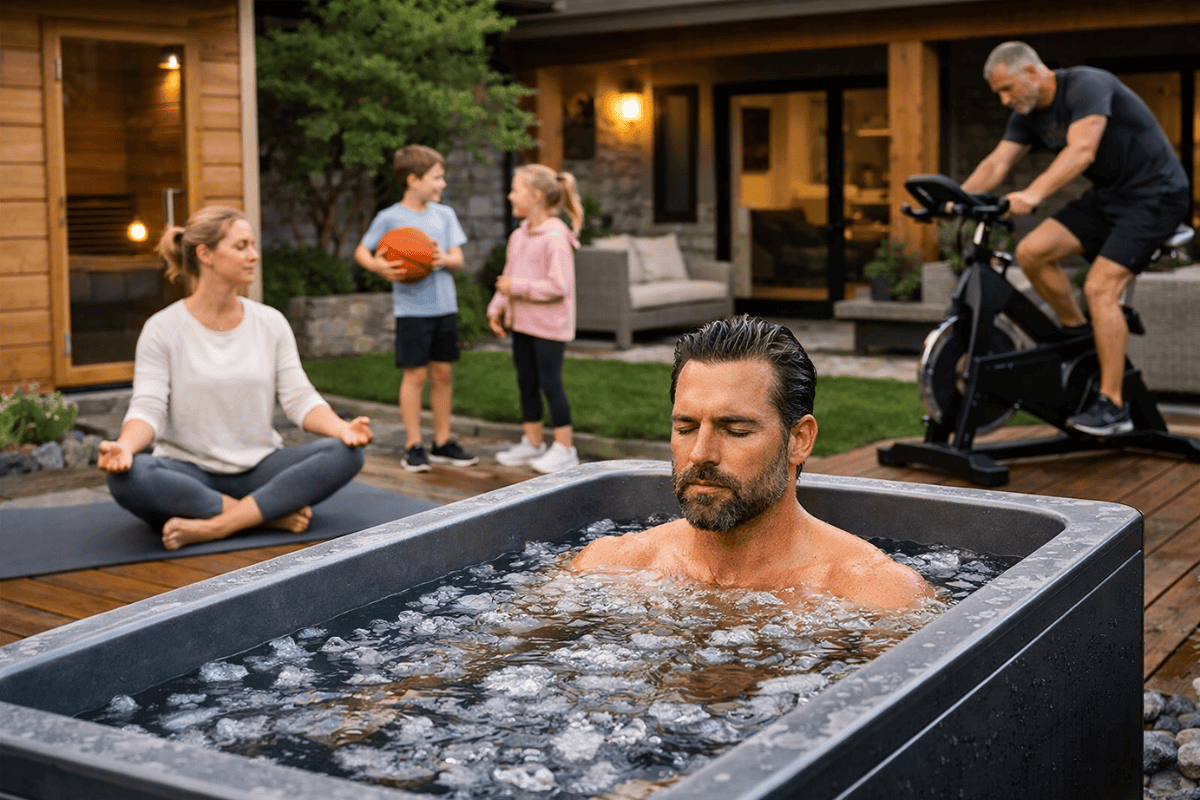
Outdoor cold plunge tubs are best suited for users who:
- Have limited indoor space.
- Prefer backyard wellness routines.
- Can manage regular maintenance.
Users who prioritize maximum convenience or minimal upkeep often find indoor or chiller-based systems easier to sustain over time.
Outdoor systems are also best for people who value the outdoor experience itself: contrast with fresh air, privacy in a backyard, or a routine tied to training. If you enjoy rituals, outdoor plunging can become a stable habit. If you tend to avoid equipment maintenance or get frustrated by water management, outdoor systems may feel like more work than benefit.
Who tends to struggle with outdoor setups
- Low maintenance tolerance: If filter checks and cover discipline feel like a burden, outdoor ownership becomes frustrating.
- Inconsistent schedules: Outdoor setups reward routine; irregular use makes water management feel less “worth it.”
- High convenience expectations: If you want “no friction,” an indoor or more protected setup may fit better.
Key Tradeoffs When Buying an Outdoor Cold Plunge

Outdoor systems trade convenience for exposure. Understanding these tradeoffs helps avoid mismatched purchases that look appealing initially but become burdensome in practice.
- Durability vs. cost.
- Manual vs. automated sanitation.
- Permanent vs. movable installations.
Durability vs. cost is the most common outdoor tension. Outdoor systems that last tend to cost more because they prioritize insulation, sealing, and component protection. Manual vs. automated sanitation is the next tension: the more you automate, the less daily friction you have, but automation is only valuable if it works consistently and is serviceable. Permanent vs. movable is the final tension: permanent installs look great and can be highly stable, but they reduce flexibility if you need to reposition, service, or winterize.
How to avoid a mismatched purchase
- Match the system to your cadence: Frequent plungers benefit more from stability and automation.
- Match the system to your environment: Fully exposed placements demand more sealing and insulation.
- Match the system to your maintenance tolerance: If you will not do manual water care, prioritize systems that reduce it.
For a full decision framework, revisit the Buyer’s Guide.
Conclusion: Choosing the Best Outdoor Cold Plunge Tub
The best outdoor cold plunge tub is the one that fits your environment, maintenance tolerance, and usage frequency. Outdoor placement magnifies durability and sanitation requirements, making build quality and system design especially important.
If you want to compare outdoor models alongside indoor and chiller-based options, the next step is the comprehensive Buyer’s Guide.
Next step: Explore the Best Cold Plunge Tubs Buyer’s Guide to see how outdoor systems compare across the full category.
