
Ice Barrel Review

Ice Barrel tubs represent a distinct category within cold plunge systems. Unlike chiller-based or pump-driven tubs, Ice Barrel products rely on a simple, barrel-shaped design that emphasizes manual cooling, compact footprint, and minimal mechanical complexity.
This Ice Barrel review evaluates what users should realistically expect from a barrel-style cold plunge: immersion depth, temperature management, physical demands, and long-term usability. The goal is not to promote or discourage a purchase, but to clarify where Ice Barrel fits within the broader cold plunge landscape.
Ice Barrel is treated as an editorial-only brand. No pricing claims, discount language, or purchase CTAs appear in this review.
When people search for an Ice Barrel review, they are often trying to answer two practical questions: whether the barrel format makes cold exposure easier to maintain, and whether the “manual” approach becomes burdensome over time. The reality usually depends on the user’s environment (garage vs outdoor placement), their tolerance for variability, and how strictly they want to follow temperature and duration targets.
This review is written with a conservative lens. Cold immersion is a physiological stressor that affects breathing patterns, vascular tone, and cardiovascular load. That does not mean it is unsafe for most healthy adults, but it does mean the equipment should match the user’s experience level, recovery goals, and willingness to maintain the system.
For readers who want a broader market comparison (including automated systems), the decision framework in the Best Cold Plunge Tubs Buyer’s Guide provides a more complete “category-level” view.
What Is an Ice Barrel Cold Plunge?

An Ice Barrel is a vertical, cylindrical cold plunge tub designed to immerse the body in cold water while seated or crouched. The barrel format allows deeper immersion with a smaller footprint compared to traditional horizontal tubs.
Cooling is achieved manually—typically with ice, frozen water bottles, or ambient winter temperatures. There is no built-in chiller, pump, or automated temperature control. As a result, temperature consistency depends heavily on user effort and local climate.
Barrel-style plunges appeal most to users prioritizing simplicity and space efficiency rather than automation or precision.
In practical terms, Ice Barrel sits between “true DIY” and fully automated cold plunge systems. It is more purpose-built than improvised options like a bathtub fill or a basic stock tank, but it does not attempt to solve the core ownership problem that automated systems address: maintaining cold water at a predictable temperature with minimal effort.
The barrel format also changes how water depth relates to overall water volume. Because the shape is tall rather than long, many users can reach shoulder-level immersion without needing the same footprint as a horizontal tub. That can be useful in garages, small patios, or tight home setups where a longer tub would be awkward.
However, the simplicity of the category comes with a tradeoff: the system’s “performance” is largely determined by the user’s routine. If you consistently add ice (or use naturally cold conditions), the experience can be repeatable. If your environment is warm or your schedule is inconsistent, water temperature can drift quickly, especially across multiple uses.
If you are still choosing between categories, it can help to compare barrel-style plunges against other approaches in the Plunge Sage blog index, then use the Buyer’s Guide to narrow down what kind of system fits your constraints.
Immersion Experience and Body Position

The vertical orientation of an Ice Barrel changes how immersion feels. Users typically enter by stepping down into the barrel, then lowering into a seated or semi-squat position.
Common experience characteristics include:
- Rapid cold exposure to the torso and shoulders
- Increased breathing control demands due to upright posture
- Greater hip and knee flexion compared to horizontal tubs
For shorter sessions, many users find the immersion intense but manageable. Longer sessions can place strain on joints or balance, especially for beginners.
One important difference with a barrel is how quickly the chest and upper back can be submerged. In many horizontal tubs, beginners can “ramp” exposure by lowering gradually, or they may keep the upper chest partially out of the water while adjusting breathing. In a barrel, that gradual approach is sometimes harder because the seated posture naturally places the torso deeper.
That deeper, faster exposure is not inherently negative, but it increases the importance of controlled entry. A conservative approach is to enter slowly, focus on exhale length, and avoid the instinct to gasp or hyperventilate. If breathing becomes chaotic, it is reasonable to shorten the session or reduce immersion depth until control improves.
Body position also matters for comfort and sustainability. A seated or crouched position can be fine for 30–90 seconds, but longer sessions may require more flexibility through the hips and ankles. If the posture feels cramped or unstable, that discomfort can become the limiting factor rather than the cold exposure itself.
For users with knee, hip, or balance issues, it is reasonable to treat posture demands as a decision-critical factor. Cold plunge habits tend to stick when the system is easy to enter, easy to exit, and comfortable enough that the user does not dread the setup.
Temperature Control and Consistency

Ice Barrel systems do not regulate temperature automatically. Water temperature fluctuates based on ice quantity, water volume, ambient conditions, and session frequency.
This variability contrasts with chiller-based systems that maintain a set range. Research shows that cold-induced vasoconstriction occurs across a range of temperatures, but consistency improves predictability of physiological response (PubMed).
Users seeking precise protocols may find manual cooling limiting. Others value the flexibility and low mechanical complexity.
In real-world ownership, “temperature control” is less about hitting an exact number and more about avoiding extremes. Many users feel confident when the water is “clearly cold” but not so cold that it creates panic breathing, prolonged numbness, or a sense that exit will be difficult. If a system routinely drifts toward extremes, it increases the risk of inconsistent practice or overly aggressive sessions.
Manual cooling also introduces timing considerations. Ice takes time to melt and equalize, and water temperature can vary from top to bottom depending on mixing. A conservative practice is to mix the water before entering (as safely as possible) and treat the first minute as a calibration period rather than trying to force a fixed duration.
Consistency matters for tracking adaptation. When water temperature swings widely from session to session, it becomes harder to know whether discomfort is due to normal acclimation, a particularly cold day, or simply a different exposure intensity. For users who want a structured approach, consistency can make it easier to progress cautiously.
If your goal is a more standardized protocol, review the temperature and duration frameworks on the site’s benefits page and buyer’s guide. The Cold Plunge Benefits page provides context on why people pursue cold exposure, and the Buyer’s Guide helps match those goals to system categories.
Setup, Space, and Placement

Ice Barrels are often placed outdoors, garages, or patios. Their vertical footprint suits small spaces, but entry height requires adequate overhead clearance.
Setup typically involves:
- Positioning on a level surface
- Filling with water via hose
- Adding ice or frozen bottles as needed
No electrical hookup is required, reducing installation barriers.
Placement decisions should also account for drainage and water change logistics. Because manual systems often require more frequent draining, a location that makes draining simple (and avoids water pooling near foundations) tends to make ownership easier. If water changes are inconvenient, maintenance is more likely to drift.
Outdoor placement can reduce the effort needed to keep the water cold in winter climates, but it also adds exposure to debris, weather, and temperature swings. Garage placement can improve control and reduce contamination, but it may require stronger routines for ice and water management if the space stays warmer.
Another practical factor is entry safety: a stable step-in approach, a non-slip area around the barrel, and enough clearance for controlled exit. Cold exposure can reduce fine motor control temporarily. It is conservative to treat “exit confidence” as a core safety feature—especially for new users who are still learning how their breathing and circulation respond.
If you have questions about routine planning or want to report a safety concern or contraindication question for editorial review, you can reach the team via the Contact page.
Cleaning, Drainage, and Water Care

Without filtration or circulation, Ice Barrel owners manage water quality manually. Cold temperatures slow microbial growth but do not eliminate it (CDC guidance).
Typical maintenance includes:
- Regular water changes
- Manual scrubbing of interior surfaces
- Monitoring clarity and odor
Maintenance demands are manageable but require consistency.
In practice, most owners develop a routine based on frequency of use and environmental exposure. Outdoor setups often require more frequent surface cleaning due to leaves, dust, and insects, while indoor or garage setups may allow longer intervals between full water changes.
Because there is no circulation, debris tends to settle rather than being captured by a filter. This means that even when water looks clear, biofilm can begin forming on interior walls if cleaning is delayed. A conservative approach is to treat clarity as a lagging indicator and schedule cleaning proactively rather than reactively.
Drainage logistics also influence long-term satisfaction. If draining requires awkward hose routing or manual lifting, owners may postpone water changes longer than recommended. Systems that are easy to drain tend to get cleaned more regularly, which indirectly improves safety and user confidence.
For users comparing maintenance burden across categories, automated tubs reduce daily involvement but add mechanical components. Manual systems like Ice Barrel reduce mechanical failure risk but shift responsibility to the owner’s routine.
Safety Considerations

Cold immersion triggers acute cardiovascular responses, including elevated heart rate and blood pressure (Mayo Clinic).
Ice Barrel users should:
- Limit initial exposure duration
- Avoid unsupervised sessions if inexperienced
- Consult a clinician if cardiovascular conditions exist
Entry and exit require balance and grip awareness.
Barrel-style systems add a few unique safety considerations compared to horizontal tubs. The step-down entry and seated posture mean users must control descent carefully, particularly when hands are cold and grip strength is reduced.
Another consideration is rewarming. Because Ice Barrel sessions can feel more intense due to upright immersion, some users exit with stronger shivering or lightheadedness. A conservative practice is to rewarm gradually using movement, dry clothing, and ambient warmth rather than immediately seeking extreme heat.
People with a history of fainting, arrhythmias, or blood pressure instability should be especially cautious. While many healthy adults tolerate cold immersion well, individual responses vary, and barrel-style systems can amplify the initial cold shock if entry is rushed.
For general safety guidance across cold exposure scenarios, Plunge Sage maintains a dedicated Cold Plunge Safety & Usage page.
How Ice Barrel Compares to Other Cold Plunge Types
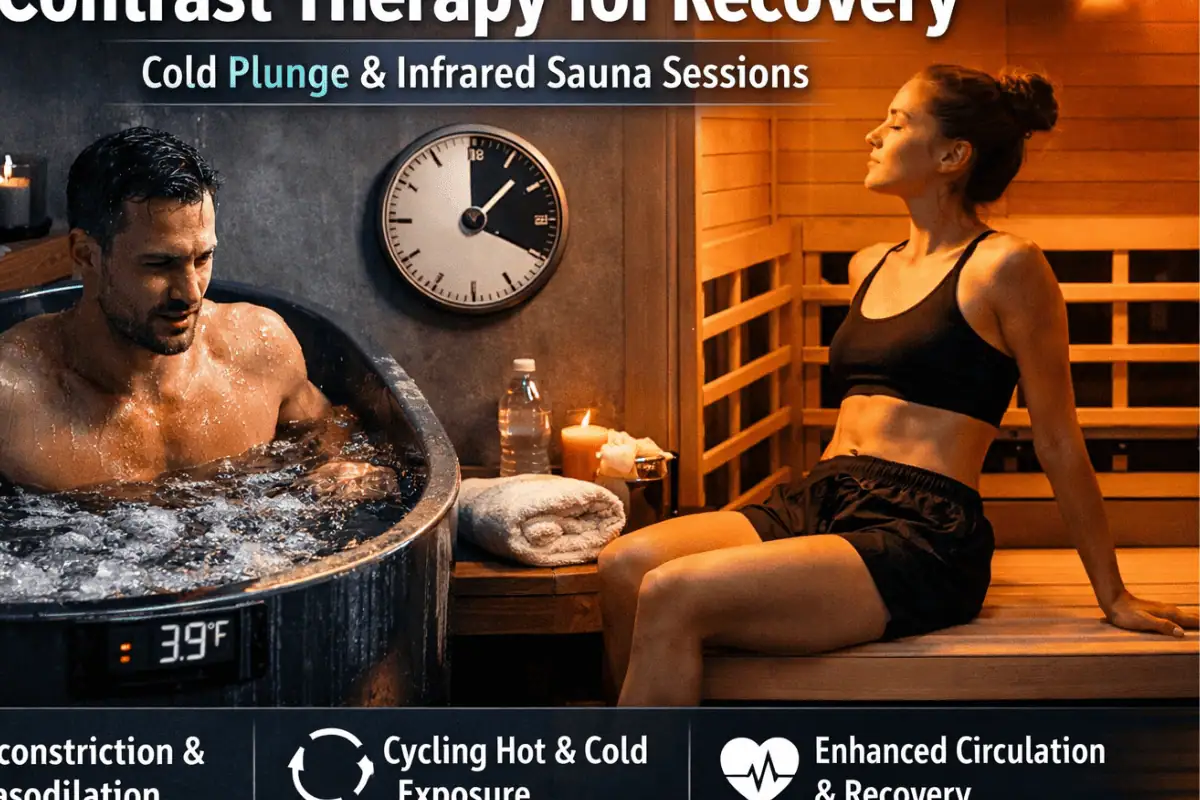
Compared to chiller-based tubs, Ice Barrels trade automation for simplicity. Compared to stock tanks, they offer deeper immersion with a smaller footprint.
For a broader comparison of system types, see the Best Cold Plunge Tubs Buyer’s Guide.
Chiller-based systems typically appeal to users who want predictable temperatures, minimal daily effort, and the ability to follow structured protocols. That predictability comes with higher upfront cost, electrical requirements, and additional maintenance related to pumps and filtration.
Stock tanks and DIY setups can be lower cost but often sacrifice immersion depth or comfort. Ice Barrel occupies a middle ground: more ergonomic and purpose-built than improvised setups, but still dependent on manual cooling and maintenance.
Ice Barrel is most often compared against budget-oriented and outdoor cold plunge options. For category-level comparisons, see the Best Budget Cold Plunge Tubs and Best Outdoor Cold Plunge Tubs roundups.
From a behavioral standpoint, the “best” system is often the one a user will actually use consistently. Some people prefer the ritual of adding ice and preparing the plunge, while others find that friction becomes a barrier over time. This difference in preference is often more important than the technical specifications alone.
Who Ice Barrel Is Best Suited For

Ice Barrel tends to suit users who:
- Prefer low-tech solutions
- Have limited space
- Are comfortable managing ice and water changes
Those seeking precise temperature control or minimal maintenance may prefer alternative systems.
Ice Barrel is often a reasonable fit for people who are already committed to cold exposure and want a dedicated vessel without investing in automation. It can also suit users in colder climates where ambient temperatures reduce the need for ice.
Conversely, beginners who are uncertain about long-term adherence may find manual systems either empowering or discouraging. Some appreciate the simplicity and lack of mechanical complexity, while others prefer systems that reduce decision-making and daily setup effort.
Body size, mobility, and comfort with seated positions also matter. Taller users or those with limited hip and knee mobility should consider how the barrel posture feels during test exposures before committing to a routine.
Common Limitations and Tradeoffs

Key tradeoffs include manual cooling effort, lack of filtration, and physical demands during entry. These factors are not flaws but structural characteristics of barrel-style plunges.
Another limitation is scalability. Households with multiple users may find it harder to keep temperatures consistent between sessions without frequent ice additions or water changes.
Seasonal variability is also more pronounced. In warm months, maintaining cold water can require substantially more effort, whereas winter conditions may overshoot preferred temperatures if not monitored carefully.
Understanding these tradeoffs ahead of time helps align expectations. Ice Barrel can work well within its design constraints, but it is not intended to replace the convenience or precision of higher-end automated systems.
Alternatives to Consider

Users evaluating Ice Barrel often also explore:
- Chiller-based tubs for temperature precision
- Stock tanks for lower upfront cost
- Portable tubs for indoor flexibility
Several of these alternatives are evaluated in more detail across Plunge Sage’s roundup pages, including budget-focused tubs and outdoor systems that rely on manual or semi-manual cooling approaches.
Chiller-based systems reduce daily setup effort and support consistent protocols, but they introduce higher cost and mechanical complexity. For users who value predictability and minimal friction, that tradeoff can be worthwhile.
Stock tanks and improvised solutions can work for experimentation, but many users eventually look for deeper immersion or improved ergonomics. Portable tubs sit somewhere in between, offering flexibility at the cost of durability or insulation.
See comparison-focused roundups in the Plunge Sage blog to explore how these categories differ in real-world ownership.
Navigational Next Steps

Explore Cold Plunge Options
Compare system types, maintenance needs, and use cases in our full buyer’s guide. View Buyer’s Guide →
Conclusion
Ice Barrel offers a simple, space-efficient approach to cold immersion. Its strengths lie in minimal technology and deep immersion, while its limitations center on manual temperature control and maintenance.
For users who value simplicity and are comfortable with hands-on management, Ice Barrel can be a viable option. Those prioritizing precision and automation may find other systems better aligned with their goals.
Because cold exposure is a repeatable stressor rather than a one-time experience, the best system is often the one that supports safe, consistent use over time.
To explore how Ice Barrel compares with other cold plunge systems, continue to the Best Cold Plunge Tubs Buyer’s Guide.
