
Best Chiller-Based Cold Plunge Systems

Chiller-based cold plunge systems are the most controlled and repeatable way to practice cold water immersion at home. Unlike ice-only tubs or improvised setups, these systems rely on a dedicated refrigeration unit (a “chiller”) to actively cool circulating water, keeping temperatures stable session after session.
This roundup evaluates the best chiller-based cold plunge systems using a conservative, decision-oriented standard. The goal is not to crown the coldest tub or chase extreme temperature claims. Instead, it’s to identify systems that support consistent exposure, safer ownership, and realistic maintenance over months and years—not just the first week of enthusiasm.
Cold plunge therapy is a real physiological stressor. It can meaningfully affect heart rate, breathing, blood pressure, and peripheral circulation. That’s why the equipment supporting it matters: chiller stability, water flow, filtration/sanitation, electrical safety, and build quality can all change the day-to-day experience and the risk profile.
If you want a broader view across all cold plunge categories (including non-chiller options), start with our cornerstone Buyer’s Guide: Best Cold Plunge Tubs (2025 Buyer’s Guide).
What Makes a Cold Plunge “Chiller-Based” (And Why It Matters)

A chiller-based cold plunge uses an active cooling unit to lower water temperature and maintain it within a set range. This differs from ice baths, where temperature changes rapidly, depends on ice volume and melt rate, and can vary dramatically from session to session.
In practical terms, “chiller-based” usually means you get:
- Stable target temperature (for example, maintaining 45–55°F rather than starting at 55°F and drifting upward quickly)
- Continuous circulation (water is moved through the system, which improves uniform temperature distribution)
- Filtration/sanitation pathways (not always perfect, but far more structured than static water tubs)
- Lower day-to-day friction (less ice hauling, fewer temperature surprises)
From a safety perspective, stable temperature can reduce avoidable “shock variability.” Cleveland Clinic’s cold plunge overview emphasizes conservative practice and that cold exposure isn’t appropriate for everyone—particularly those with cardiovascular concerns. A stable, controlled system helps you dial exposure responsibly rather than reacting to unpredictable water conditions. Cleveland Clinic: What to know about cold plunges.
Why stability matters more than “coldest possible”: In real ownership, the best experience often comes from choosing a temperature you can repeat consistently rather than chasing the lowest number. Many users do better starting in a milder range (for example, high 40s to low 50s °F) and gradually progressing as breathing control and tolerance improve. A chiller-based system supports that progression because you can lower the setpoint in small, predictable steps instead of relying on “how much ice melted today.”
Circulation is a major differentiator: Stagnant tubs frequently develop uneven temperature layers. In contrast, a chiller loop helps keep water moving so the temperature at your shoulders doesn’t drift far from the temperature near your feet. For beginners, that uniformity can reduce “surprise intensity,” which is one of the biggest drivers of panic breathing and premature exits.
Sanitation isn’t optional: Cold water can slow some microbial growth, but it doesn’t sterilize water. In chiller systems, filtration/sanitation design is one of the most important long-term quality factors because it determines how hard you have to work to keep water clean. In other words, chillers solve temperature; good systems also help solve water quality.
Who Chiller-Based Systems Are Best For
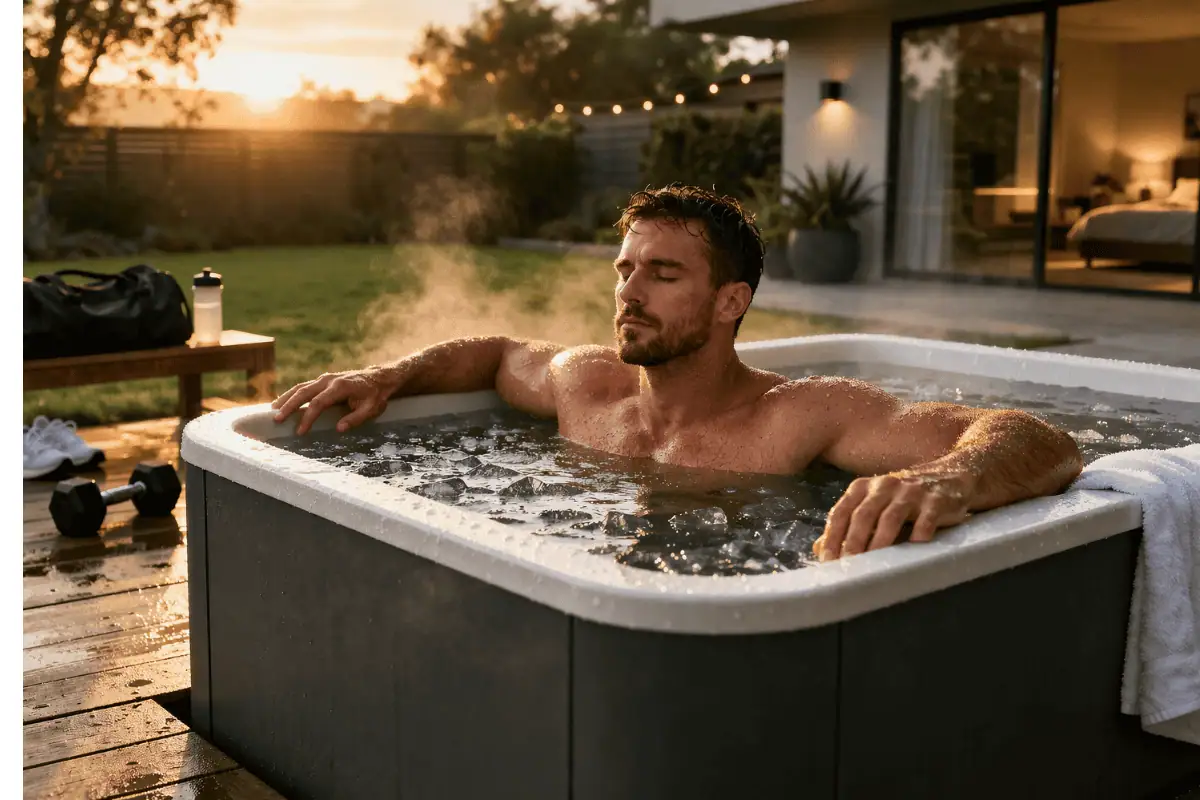
Chiller systems aren’t mandatory for everyone—but they can be the most sustainable choice if you plan to use cold immersion regularly.
Chiller-based systems are usually the best fit for:
- Frequent plungers (3–7 sessions/week) who want consistent exposure without daily ice management
- Athletes who prioritize repeatable recovery routines and predictable water temps
- Multiple-user households where water quality and stable temps matter more
- Cold-sensitive beginners who want to gradually step down temperature responsibly
They may be a weaker fit if you’re experimenting casually, have limited power access, or don’t want any mechanical maintenance. If you’re still building fundamentals (temperature, duration, and frequency), our educational pages can help:
One conservative way to decide: If you currently struggle to keep cold exposure consistent because of “setup friction” (ice runs, water temperature unpredictability, or the feeling that every session is a new experiment), a chiller system often improves adherence. If you already plunge consistently with a simple setup and enjoy that simplicity, you may not need to upgrade yet.
Household reality matters: In shared-use scenarios, chillers tend to shine because repeatable temperature and structured filtration reduce conflict and confusion. If multiple people use the same tub, water quality degrades faster and cleaning needs become more frequent—so systems that simplify that burden are more likely to stay in regular use.
How We Evaluated Chiller-Based Cold Plunge Systems

Most cold plunge marketing highlights temperature minimums and lifestyle framing. Our evaluation approach is different: we prioritize ownership reality—the factors that determine whether a system becomes a sustainable habit or an expensive garage ornament.
We weighed each system across decision-critical categories:
- Temperature control & stability: can the system hold a setpoint reliably across multiple sessions?
- Cooling efficiency: how quickly does it pull down water temperature after use?
- Water flow & circulation: is the temperature uniform, and does the system keep water moving?
- Filtration & sanitation: does it reduce user burden and lower hygiene risk?
- Setup demands: electrical requirements, space, drainage, and installation complexity
- Maintenance burden: filters, cleaning intervals, water changes, and seasonal considerations
- Risk management: features and design choices that reduce avoidable hazards
Cold exposure studies often describe strong physiological responses (sympathetic activation, cold shock response, and changes in circulation). That’s exactly why “controlled exposure” matters: stable systems can support conservative progression rather than accidental overexposure. For deeper reading on cold exposure physiology, PubMed-indexed reviews and studies provide the most reliable foundation. PubMed search: cold water immersion physiology.
How we think about “good” in this category: A strong chiller-based system supports a predictable routine. That means the user can set a temperature, maintain water quality, and complete sessions safely without improvising every day. The best systems are usually not the most extreme; they’re the most sustainable.
We also consider failure modes: Many buyers don’t abandon cold plunging because they dislike the sensation. They abandon it because something becomes annoying: draining is awkward, water turns cloudy, parts need attention, or the system doesn’t hold temperature reliably. So we prioritize systems that reduce those “quit reasons.”
Conservative signal checks we value:
- Repeatability: can you reproduce the same exposure conditions three times a week?
- Maintenance clarity: are basic upkeep tasks straightforward and realistic?
- Setup realism: does the system fit typical home constraints without heroic effort?
If you’re choosing between chiller and non-chiller options, the broader category overview lives here: Buyer’s Guide.
The Best Chiller-Based Cold Plunge Systems (Our Conservative Picks)
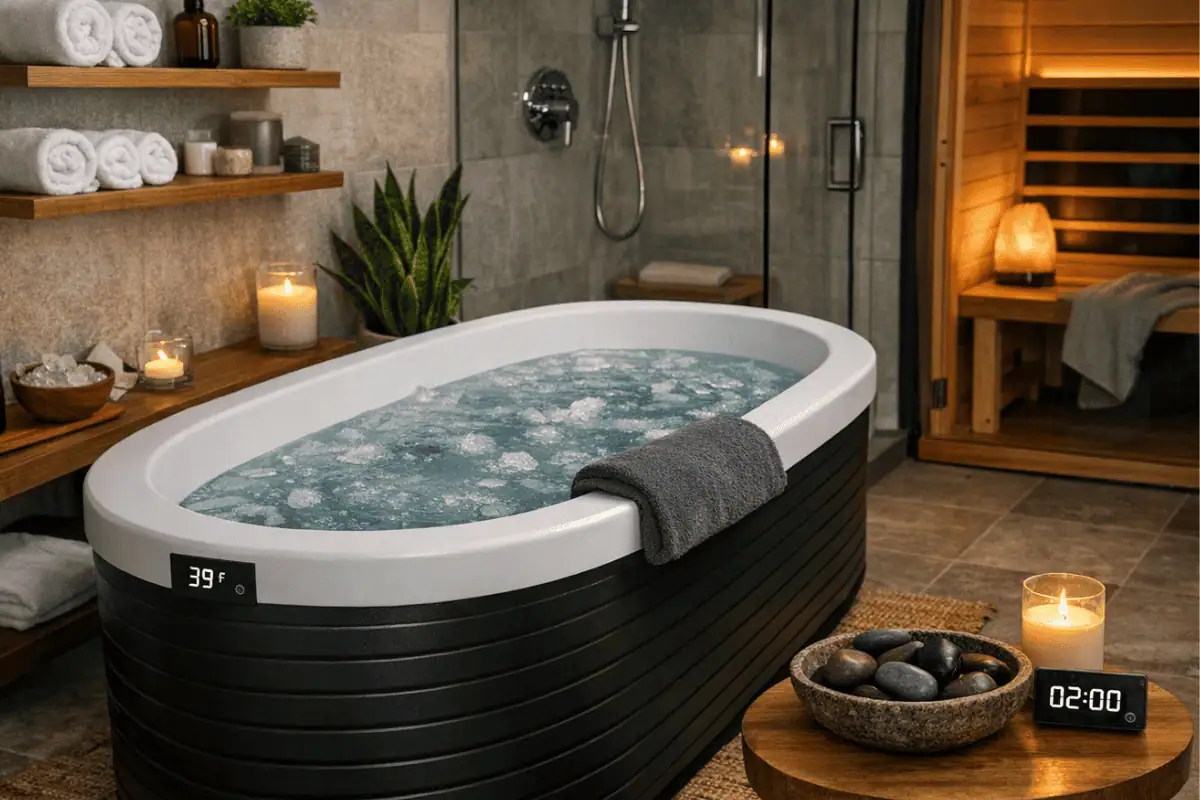
Within Plunge Sage’s current affiliate registry, only two brands are monetizable in this roundup: Aquavoss and Canuck Cold. We also include Therafrost as an editorial mention (affiliate pending), without CTAs or Offer/Product schema.
Here’s how to use this roundup:
- If you already know you want a chiller-based setup, use the comparison table and decision framework below to match a system to your space and habits.
- If you’re still deciding whether you even need a chiller, use the Alternatives section to sanity-check cost and complexity.
- If you want deeper SKU-level detail, jump to the review pages:
Quick buyer shortcut: If you want the most “home-friendly” ownership experience, start with Aquavoss. If you want a more performance-oriented feel and expect frequent use, start with Canuck Cold. If Therafrost is on your radar, use it as a comparison reference—but treat it as editorial-only until the affiliate status changes.
Aquavoss: Best for Low-Friction Home Use and Repeatable Temperature Control

Aquavoss is a strong fit for people who want a clean, integrated ownership experience—a system that feels purpose-built for consistent home use rather than a DIY project that requires constant tinkering.
Why Aquavoss tends to fit chiller-first buyers:
- Integration: users typically prefer a streamlined system (less “figure it out,” more “use it”).
- Consistency: stable setpoint control supports conservative progression (especially important for beginners).
- Habit sustainability: fewer steps often means more consistent weekly usage—where benefits are more likely to show up.
Best for: home users prioritizing predictable routine, minimal daily friction, and stable temperature control.
Watch-outs: like most chiller systems, Aquavoss ownership still requires periodic cleaning, filter attention, and reasonable water hygiene habits (even if the system reduces burden).
What “low-friction” really means in practice: Owners typically do best when they can keep the routine simple: fill, set temperature, plunge, and follow a basic maintenance cadence. Systems that minimize fiddly setup or constant manual adjustments are more likely to remain in use after the early novelty phase.
Conservative placement mindset: Before you buy, think through where the tub will live (indoors vs outdoors), how you’ll drain and refill it, and whether the chiller will have good airflow. Many ownership frustrations come from “I didn’t plan drainage” or “this barely fits” rather than from performance limitations.
Aquavoss Chiller-Based Systems
Explore Aquavoss chiller-based options and availability. View Aquavoss Systems →
For deeper selection help (including how to decide on size and placement), see: Buyer’s Guide.
Aquavoss Model 1 vs Model 2: How to Choose the Right Size

Most buyers over-focus on “how cold can it get” and under-focus on the question that determines long-term satisfaction: Does the tub fit your body and your space in a way that makes you actually use it?
How to think about Model 1 vs Model 2:
- Body fit: taller users and broader builds typically prefer larger water volume for comfort and full immersion.
- Space reality: garages, basements, and patios each create different constraints for footprint and drainage.
- Chiller pull-down time: larger volume can mean longer cool-down/recovery time after heavy use.
- Routine friction: if a unit barely fits (or forces awkward drainage), it tends to get used less.
As a conservative rule, if you’re on the edge between sizes, prioritize comfortable immersion over compactness—especially if you want consistent sessions through the year.
If you want the SKU-level breakdown, visit: Aquavoss Cold Plunge Review.
Simple sizing sanity-check: If you routinely feel “cramped” in standard tubs or struggle to immerse shoulders comfortably, size up. If the tub will live in a tight space where access for draining/cleaning is limited, the more compact option may protect your long-term maintenance consistency.
Think about the “exit plan”: A cold plunge isn’t just about getting in. Getting out safely matters too—especially when skin is numb and balance can be slightly affected. Ensure there’s stable footing, room to step out without twisting awkwardly, and a clear path to a towel and warm layers.
Canuck Cold: Best for Performance-Oriented Users and Frequent Plunges

Canuck Cold is often positioned toward serious cold plungers—people who care about performance, rapid temperature recovery, and an ownership experience built for frequent use.
Why it’s compelling in the chiller category:
- Cold consistency: systems geared for repeatable use (especially when multiple sessions per week are expected).
- Recovery-minded design: the ownership framing fits athletes and training-focused routines.
- Durability emphasis: designed to stand up to regular use where cheaper systems tend to degrade faster.
Best for: athletes, high-frequency plungers, and people who want a “training tool” feel rather than a casual wellness accessory.
Watch-outs: performance-oriented systems still require disciplined hygiene: filtration, water care, and cleaning consistency matter even more when usage frequency is high.
Why high-frequency use changes the math: The more often you plunge, the more important recovery time and temperature stability become. If you plunge after most workouts, or if multiple household members use the tub daily, you’ll care more about how quickly the system returns to setpoint and how well it holds that setpoint under repeated load.
Conservative routine guidance for athletes: Cold exposure can feel great post-training, but it’s still a stressor. If your goal is performance and recovery, keep sessions controlled, avoid breath-holding, and aim for consistency rather than intensity spikes. If you’re unsure how to structure sessions around training, start with your fundamentals in the education hub: Blog Index.
Canuck Cold Performance Systems
Get 5% off with code PLUNGESAGE at checkout. Shop Canuck Cold →
For full details and who it’s best for, see: Canuck Cold Plunge Review.
Therafrost (Editorial Mention): Where It May Fit in the Chiller Category
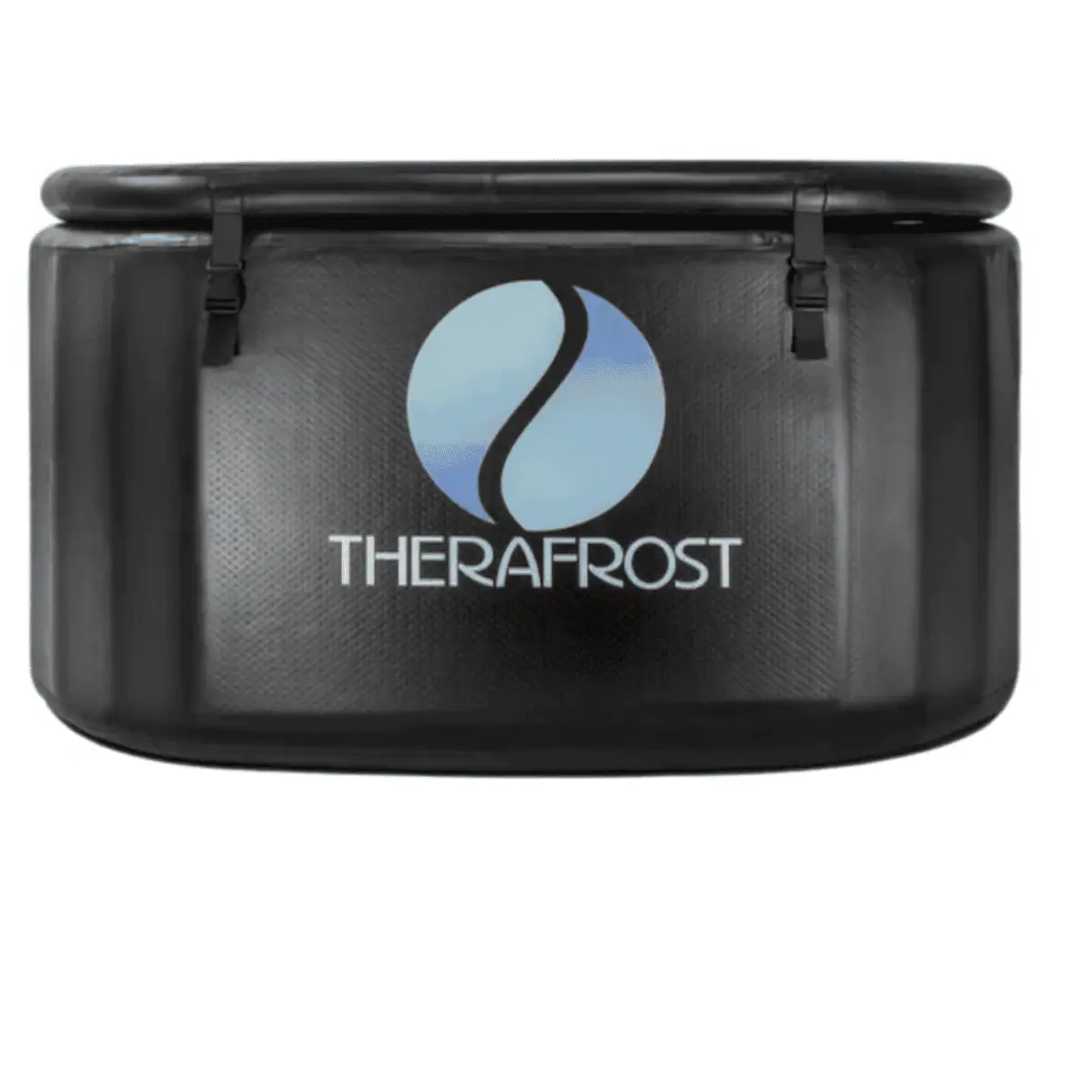
Therafrost is included here for editorial comparison only. At the time of this roundup, Therafrost monetization is pending: CTAs are disabled, and no Offer/Product schema is used.
Why we still mention it: chiller-based systems are a category where design decisions (materials, insulation, filtration philosophy, maintenance approach) matter more than surface-level specs. Some buyers want a stainless-style or premium-material aesthetic, while others prioritize operational simplicity.
Conservative guidance: if Therafrost is on your shortlist, compare it against Aquavoss and Canuck Cold using the same decision criteria below (temperature stability, sanitation/filtration, setup demands, and maintenance burden) and then review the dedicated page: Therafrost Cold Plunge Review.
How to use editorial comparisons responsibly: Treat Therafrost as a reference point for design philosophy and ownership approach. If you find yourself leaning toward it primarily because of aesthetics, ensure the underlying “ownership reality” also fits: drainage, cleaning cadence, and daily friction still determine long-term use more than surface appearance.
Chiller-Based Cold Plunge Comparison (Simple, Decision-Critical)

This table intentionally avoids marketing fluff and focuses on how each option typically fits a real-world buyer profile.
| System | Category Fit | Best For | Primary Tradeoff |
|---|---|---|---|
| Aquavoss | Integrated, low-friction home ownership | Consistent routine, minimal tinkering | Premium category pricing; still requires maintenance discipline |
| Canuck Cold | Performance-oriented, frequent use | Athletes, high-frequency plungers | Ownership requires active hygiene + maintenance consistency |
| Therafrost (editorial) | Premium-material / design-driven consideration | Buyers comparing premium category builds | No CTAs (affiliate pending); evaluate carefully vs active affiliates |
If you want to compare chiller systems to non-chiller categories (ice-only tubs, barrels, DIY options), use the big picture view in: Buyer’s Guide.
The Chiller Decision Framework: What Actually Matters (And What Doesn’t)

When shopping chiller-based systems, the “headline spec” is rarely the spec that determines long-term satisfaction. Here are the variables that matter most, in plain language.
1) Temperature range vs temperature stability
Many systems can reach a low temperature. The more important question is whether the system can hold a stable setpoint across repeated sessions, different ambient temperatures, and normal daily use.
- Better signal: consistent setpoint holding and recovery after sessions
- Weak signal: “lowest possible temperature” claims with no discussion of stability
2) Cooling power relative to water volume
Bigger tubs are more comfortable, but larger water volume requires more cooling work. If cooling power is under-matched to tub volume, users often end up running warmer than intended—or waiting longer between sessions.
- High-frequency users should prioritize stronger cooling capacity for recovery time.
- Casual users can tolerate longer cool-down windows, but consistency still matters.
3) Filtration and sanitation philosophy
Clean water is not optional. Cold water can slow some microbial growth, but it does not sterilize water. The safest ownership experience is built around structured filtration/sanitation plus consistent user habits.
The NIH’s general public health guidance emphasizes hygiene and minimizing exposure risk; in cold plunge ownership, this translates into a conservative approach: treat your tub like a small pool system, not a bathtub. NIH (general health information portal).
4) Setup and safety reality
- Electrical: ensure safe placement, correct outlet type, and realistic cable routing.
- Drainage: if draining is hard, maintenance gets skipped—and water quality suffers.
- Placement: indoor vs outdoor changes noise concerns, winterization demands, and space constraints.
5) The “habit friction” test
Ask one blunt question: Will I realistically do this three times a week for the next 6–12 months? Chiller-based systems win when they reduce friction. The best system is usually the one you’ll use consistently.
If you’re still building a safe protocol (temperature, duration, frequency), our educational articles start here: Blog Index.
Extra conservative “ownership questions” to ask before buying:
- Where will the chiller breathe? Refrigeration units need airflow. Poor airflow can reduce efficiency and create unnecessary wear.
- How will you manage noise? Some setups place chillers near bedrooms or shared walls. Think about placement now, not after purchase.
- What’s your water-change plan? If water changes are complicated, they’ll get skipped.
- How will you prevent “maintenance drift”? The easiest maintenance plan is the one you can repeat.
For a conservative overview of cold exposure considerations (including who should be cautious), Mayo Clinic’s general guidance on cold exposure risk emphasizes conservative decision-making and appropriate medical consultation when needed. Mayo Clinic (health information portal).
Maintenance Realities: Keeping a Chiller System Clean (Without Getting Overwhelmed)

The biggest reason chiller-based systems disappoint buyers isn’t the chiller—it’s maintenance avoidance. When water care becomes confusing or feels like a chore, users delay cleaning, stretch filter changes, and let water quality slide. That’s when skin irritation, odor, cloudy water, and overall “I stopped using it” patterns appear.
A conservative maintenance approach focuses on repeatable basics:
Weekly (simple, sustainable)
- Quick visual check: clarity, odor, surface debris
- Wipe down waterline and high-contact surfaces
- Confirm circulation and filtration are operating normally
Monthly (ownership reality)
- Follow the brand’s recommended filter maintenance/replacement cadence
- Inspect hoses, fittings, and seals for leaks or wear
- Deep clean surfaces if you notice buildup
Quarterly or “as needed”
- Water change based on usage frequency and sanitation approach
- System clean-out if water clarity declines or odor develops
Cold immersion should be conservative—especially for new users. Mayo Clinic-style guidance across cold exposure topics generally emphasizes gradual progression and avoiding risky intensity jumps. If you’re unsure about contraindications or abnormal responses, review: Cold Plunge Safety & Usage and consult a clinician if you have cardiovascular concerns.
What “clean water” looks like in real life: You don’t need to obsess, but you do need consistency. Cloudiness, odor, slime at the waterline, or irritation after sessions are signals that the system needs attention. In chiller ownership, the conservative approach is to treat these as actionable flags rather than “it’ll probably be fine.”
How to reduce maintenance friction:
- Make drainage easy: if draining is hard, maintenance gets skipped. Plan a drain route you can actually execute.
- Set a simple schedule: pick a weekly day for the basic checks (clarity, wipe-down, quick inspection).
- Keep supplies nearby: towels, a wipe-down cloth, and whatever your system requires should be stored close to the tub.
- Don’t ignore small leaks: tiny drips often become bigger problems if neglected.
If you want help choosing a setup that fits your space: reach out via our contact page and tell us where you plan to place the tub (garage, basement, patio) and how often you expect to plunge. Contact Plunge Sage.
Bottom Line: The Best Chiller-Based Cold Plunge Systems
Chiller-based cold plunge systems offer the most controlled, repeatable way to practice cold water immersion at home. They reduce daily friction, stabilize exposure, and make it easier to follow a conservative protocol consistently—where benefits are most likely to show up.
Aquavoss is the better fit for buyers who want a low-friction home system with a streamlined ownership experience. Canuck Cold is the better fit for performance-oriented users and frequent plungers who prioritize a training-tool feel and consistent use.
Before you buy, sanity-check your space, drainage, electrical reality, and willingness to maintain clean water. If you want to compare chillers to the full category (including non-chiller alternatives), start here next: Best Cold Plunge Tubs (2025 Buyer’s Guide).