Cold Plunge for Immune Health: How Cold Exposure Affects Immunity, Inflammation, and Illness Resistance

Cold exposure has long been associated with resilience and adaptation. In modern wellness, interest has shifted toward how the cold plunge immune system relationship works—specifically whether brief cold immersion can influence immune signaling, inflammation, and resistance to illness.
This guide explains what current evidence suggests, what mechanisms are involved, and how to approach cold plunging conservatively as part of an overall immune-supportive lifestyle.
From a clinical perspective, immune health is rarely improved by a single intervention. Instead, it reflects the cumulative interaction between stress exposure, recovery capacity, sleep quality, nutritional status, and baseline inflammatory load.
Cold plunging is best understood within that broader framework—as a short, intentional stressor that may influence immune-related pathways indirectly, rather than as a direct method for preventing infection or treating illness.
A practical goal for most people is not “boosting” immunity, but supporting the conditions that allow immune function to operate normally—especially stable sleep, manageable stress, and adequate recovery.
How the Immune System Responds to Stressors

The immune system responds dynamically to short-term stressors. Acute stress—when controlled and brief—can stimulate immune surveillance, while chronic stress tends to suppress immune function.
- Innate immunity reacts first through inflammatory signaling
- Adaptive immunity adjusts antibody and cell-mediated responses
Cold exposure acts as a controlled physiological stressor, triggering nervous system activation that may influence immune communication pathways.
Innate immunity represents the body’s first line of defense. It includes physical barriers such as skin and mucosal surfaces, as well as immune cells like neutrophils, macrophages, and natural killer cells that respond rapidly to perceived threats.
Adaptive immunity operates on a slower timeline but provides specificity. T cells and B cells respond to particular antigens and can generate immune memory, which allows the body to respond more efficiently to future exposures.
Short-term stressors can temporarily increase immune cell circulation and surveillance activity. This effect is context-dependent and appears to be most favorable when stress exposure is brief, predictable, and followed by adequate recovery.
In contrast, prolonged or repeated stress without recovery is associated with immune suppression, impaired antibody responses, and increased susceptibility to illness. This distinction is central when evaluating cold plunge exposure from an immune health perspective.
When discussing immune health, it can help to clarify what “strong immunity” actually means. In many cases, it refers to the ability to mount an appropriate response to pathogens while avoiding excessive, prolonged inflammation that can increase fatigue and slow recovery.
Two additional concepts are useful here:
- Immune surveillance: the ongoing circulation and “scanning” activity of immune cells as they monitor for abnormal or infected cells.
- Immune tolerance: the immune system’s ability to avoid overreacting to non-threatening stimuli, which helps limit unnecessary inflammation.
Cold plunging is sometimes framed as “hormetic,” meaning it is a small stressor that may promote adaptation. From an immune standpoint, hormesis is not guaranteed and depends heavily on dosage. A brief, tolerable stressor followed by recovery may be adaptive; an intense stressor layered on top of poor sleep or heavy workload may be draining.
It is also important to remember that a significant portion of immune activity is tied to mucosal surfaces (mouth, nose, airway, gut). Cold plunging does not directly strengthen these barriers. Any immune-related benefit is more plausibly indirect—via stress regulation and recovery consistency—rather than direct enhancement of infection defenses.
Cold Plunge and Inflammatory Regulation

Inflammation plays a dual role: it supports healing but can become harmful when excessive or chronic. Cold immersion temporarily reduces peripheral inflammation through vasoconstriction.
Research summarized by the Cleveland Clinic on inflammation shows that controlling inflammatory load is essential for immune balance.
During cold exposure, blood vessels near the skin constrict, limiting blood flow to peripheral tissues. This response can temporarily reduce swelling and inflammatory signaling in those areas.
After exiting the cold environment, vasodilation occurs as tissues rewarm. This rebound effect increases circulation and may assist with metabolic waste clearance, which indirectly supports immune system efficiency.
Importantly, this inflammatory modulation is transient. Cold plunging does not eliminate inflammation, nor should it. Instead, it may help regulate inflammatory intensity when used sparingly and in appropriate contexts.
Chronic inflammation is influenced by many factors, including sleep deprivation, metabolic health, psychological stress, and dietary patterns. Cold immersion should be viewed as a secondary tool rather than a primary intervention for inflammatory conditions.
From a mechanism standpoint, inflammation is coordinated through signaling molecules (often referred to as cytokines) that help immune cells communicate. In simple terms, the immune system uses these “signals” to decide when to escalate a response, when to recruit additional cells, and when to shift back toward recovery.
Cold immersion may influence inflammatory signaling in at least two practical ways:
- Local effects: peripheral vasoconstriction can reduce local swelling and temporarily reduce inflammatory sensations in superficial tissues.
- Systemic context: stress-hormone changes can influence inflammatory messenger patterns, but the direction of effect likely depends on dosage and individual recovery capacity.
Because immune balance requires both effective defense and controlled inflammation, the most conservative immune framing is: use cold plunging to support recovery routines (sleep, stress regulation, consistent movement) rather than using it as a primary anti-inflammatory intervention.
The Nervous System–Immune Connection

Cold plunging activates the sympathetic nervous system and influences stress hormones such as norepinephrine.
According to findings indexed on PubMed, norepinephrine plays a regulatory role in immune cell signaling and inflammatory modulation.
Norepinephrine affects immune cells by altering cytokine production and influencing how immune cells migrate throughout the body. These effects appear to be dose- and duration-dependent.
Brief elevations in stress hormones may enhance immune surveillance, while sustained elevations are more commonly associated with immune suppression. This distinction reinforces the importance of short, controlled cold exposure rather than prolonged immersion.
The autonomic nervous system also includes the parasympathetic branch, which supports recovery and immune regulation. Effective cold plunge routines typically emphasize rapid nervous system recovery following exposure, often through controlled breathing and gradual rewarming.
From an immune standpoint, cold exposure that overwhelms recovery capacity may shift the balance toward physiological strain rather than adaptation.
A simple decision rule is to treat cold plunging like a “stress dose” you titrate. Variables that increase the dose include colder water, longer duration, higher frequency, and stacking cold exposure on top of other stressors (sleep loss, heavy training, long work hours).
Signs the stress dose may be too high include persistent shakiness after sessions, prolonged difficulty warming up, worsening fatigue across the day, or sleep disruption. None of these prove immune suppression, but they suggest your recovery systems are being taxed—which is not ideal when immune resilience is the goal.
If you want a more structured understanding of how cold exposure affects your stress response (and how to pace it), the Blog Index includes additional protocol-focused guides.
Blood Flow, Lymphatic Movement, and Immune Cells

The vasoconstriction–vasodilation cycle following cold exposure increases circulatory dynamics.
Improved circulation supports immune cell transport and metabolic waste clearance, a process discussed in circulation overviews from the Mayo Clinic.
Immune cells rely on efficient blood and lymphatic flow to move between tissues, lymph nodes, and circulation. Any activity that supports healthy circulation can indirectly assist immune surveillance.
Cold exposure may also influence lymphatic movement through mechanical changes in blood flow and muscle tension. While this effect is not unique to cold plunging, it contributes to the overall physiological response.
These circulatory effects are short-lived and should not be overstated. Their relevance lies in consistency over time rather than any single cold plunge session.
One practical takeaway is that cold immersion is not a substitute for movement. Gentle walking, light mobility work, and regular exercise support circulation and lymphatic function in a more predictable way. Cold plunging may be a complementary stimulus, but the fundamentals still matter most.
Does Cold Plunging Reduce Illness Frequency?

Some observational studies associate regular cold exposure with fewer reported sick days. However, correlation does not equal immunity enhancement.
The NIH emphasizes that immune resilience depends on sleep, nutrition, stress management, and overall health—not cold exposure alone.
Individuals who engage in regular cold plunging often also follow structured wellness routines, which can confound observational findings.
It is more accurate to say that cold plunging may support stress adaptation in healthy individuals, which could indirectly contribute to fewer disruptions from minor illnesses.
There is currently no strong evidence that cold plunging prevents viral or bacterial infections, nor should it be framed as an illness-prevention strategy.
A conservative approach is to treat cold plunging as optional during periods of immune stress. If you are sleeping poorly, traveling, under heavy workload, or already feeling run-down, reducing intensity or pausing cold exposure is reasonable.
During acute illness symptoms (fever, chest symptoms, significant sore throat, or unusual fatigue), it is generally safer to prioritize rest and hydration over deliberate cold exposure. If you are uncertain about safety in your context, medical guidance is appropriate.
Immune Adaptation Over Time

Initial cold exposure may feel intense, with rapid breathing and heart rate elevation. Over weeks, the body adapts neurologically and hormonally.
This adaptation may reduce inflammatory overreaction and support balanced immune signaling.
Early sessions primarily challenge the nervous system. With repeated exposure, the body becomes more efficient at regulating stress hormones and cardiovascular responses.
Immune-related adaptations, if they occur, are likely secondary to improved stress tolerance rather than direct immune activation.
Gradual exposure and consistent recovery are critical for maintaining this adaptive balance.
For many beginners, adaptation happens in layers. First, breathing becomes easier to control. Next, the post-session recovery window shortens (you warm up faster and feel normal sooner). Only after those changes does it make sense to evaluate whether cold exposure is supporting or straining your overall routine.
A conservative pacing strategy is to keep early sessions short and repeatable. If you can maintain steady breathing and recover comfortably afterward, you are more likely to stay within a tolerable “dose” that supports adaptation rather than fatigue.
When Cold Exposure May Stress the Immune System

Excessive cold exposure, especially during illness or severe caloric deficit, can act as immune stress rather than support.
Always prioritize recovery signals and consult healthcare providers when managing chronic conditions.
If you are experimenting with cold plunging for immune-related reasons, the safest mindset is to view “more” as a risk factor. Longer sessions, colder water, and higher frequency can increase strain without reliably improving outcomes.
How to Use Cold Plunge for Immune Support
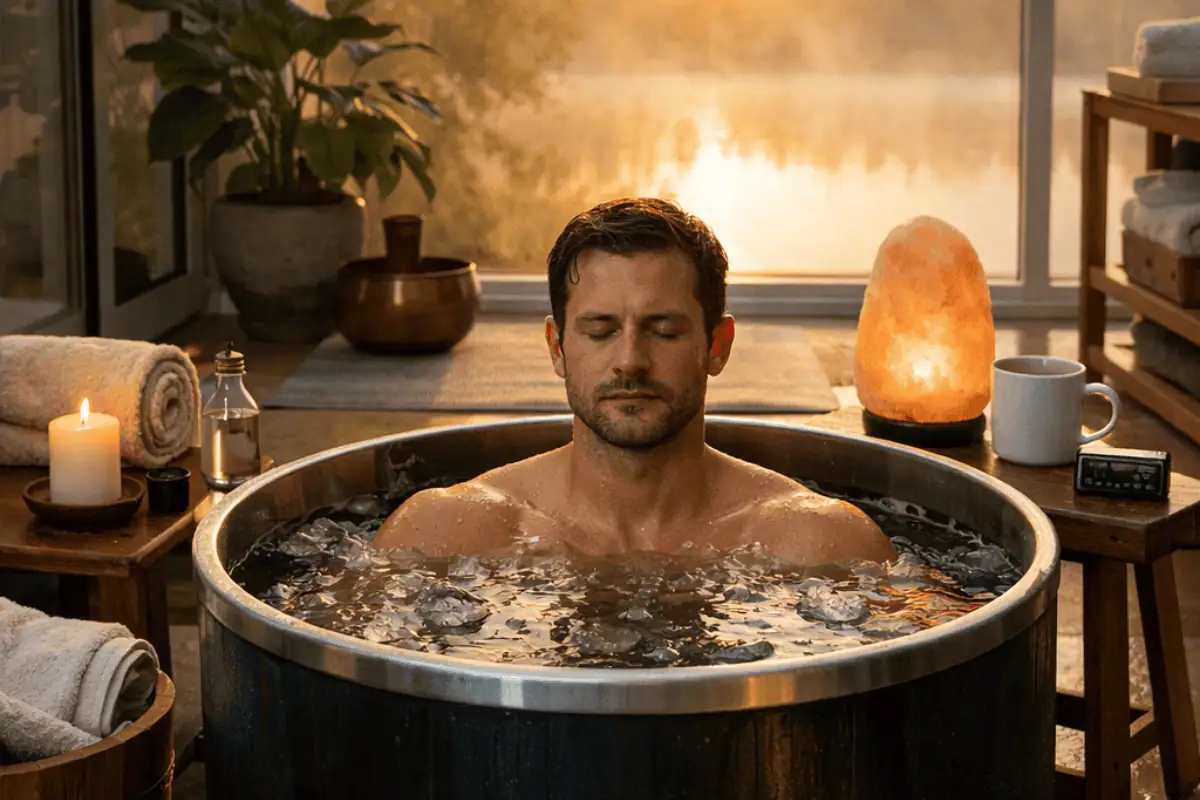
- Limit sessions to 1–3 minutes initially
- Maintain water temperatures appropriate to experience level
- Support cold exposure with adequate sleep and nutrition
For broader context, explore the Cold Plunge Benefits page.
Consistency should be prioritized over intensity. Mild to moderate cold exposure performed regularly is generally better tolerated than infrequent extreme sessions.
Scheduling cold plunges away from periods of high training load, sleep deprivation, or acute illness helps reduce the risk of immune strain.
From a long-term perspective, cold plunging should remain optional and adaptable based on seasonal stress, workload, and overall recovery status.
A conservative “immune-supportive” routine is one that you can maintain without disrupting sleep or increasing fatigue. For many people, that means staying well within comfort and control: brief exposures, steady breathing, and a calm rewarming period afterward.
Temperature selection also matters. You do not need extreme cold to create a stress-adaptation stimulus. If you want a structured way to choose ranges by experience level, see the Cold Plunge Temperature Guide.
Ownership reality matters for both safety and consistency. A routine that is hard to maintain (dirty water, unpredictable temperature swings, or inconvenient setup) increases friction, reduces adherence, and can create avoidable stress. If immune support is the theme, minimizing friction is a legitimate health strategy.
For more protocol-specific variations (duration, frequency, and timing), you can browse related guides in the Blog Index.
Cold Exposure Compared to Other Immune Strategies

Cold plunging complements—but does not replace—core immune practices such as sleep hygiene, balanced nutrition, and stress reduction.
It may be best viewed as a supporting stress-adaptation tool rather than a primary immune intervention.
If you are choosing where to invest effort, start with the highest-leverage behaviors that most consistently support immune resilience: sleep regularity, adequate protein and micronutrients, and steady daily movement. Cold plunging can be layered in if it supports those habits rather than competing with them.
Populations Requiring Extra Caution
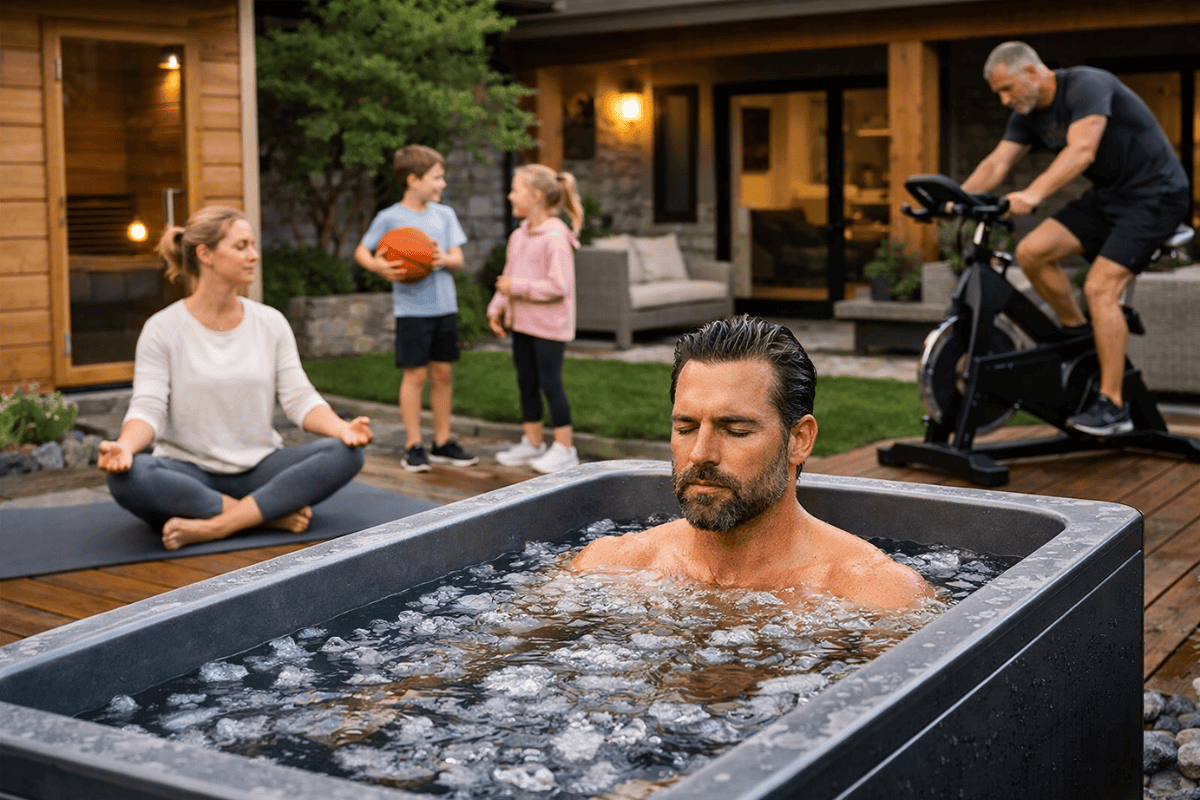
Individuals with autoimmune conditions, cardiovascular disease, or acute infections should approach cold exposure conservatively.
Refer to the Safety & Usage guidance before starting.
If you have questions about how to apply these guidelines in your specific situation, you can reach the site team through the Contact page.
Environment and Equipment Considerations
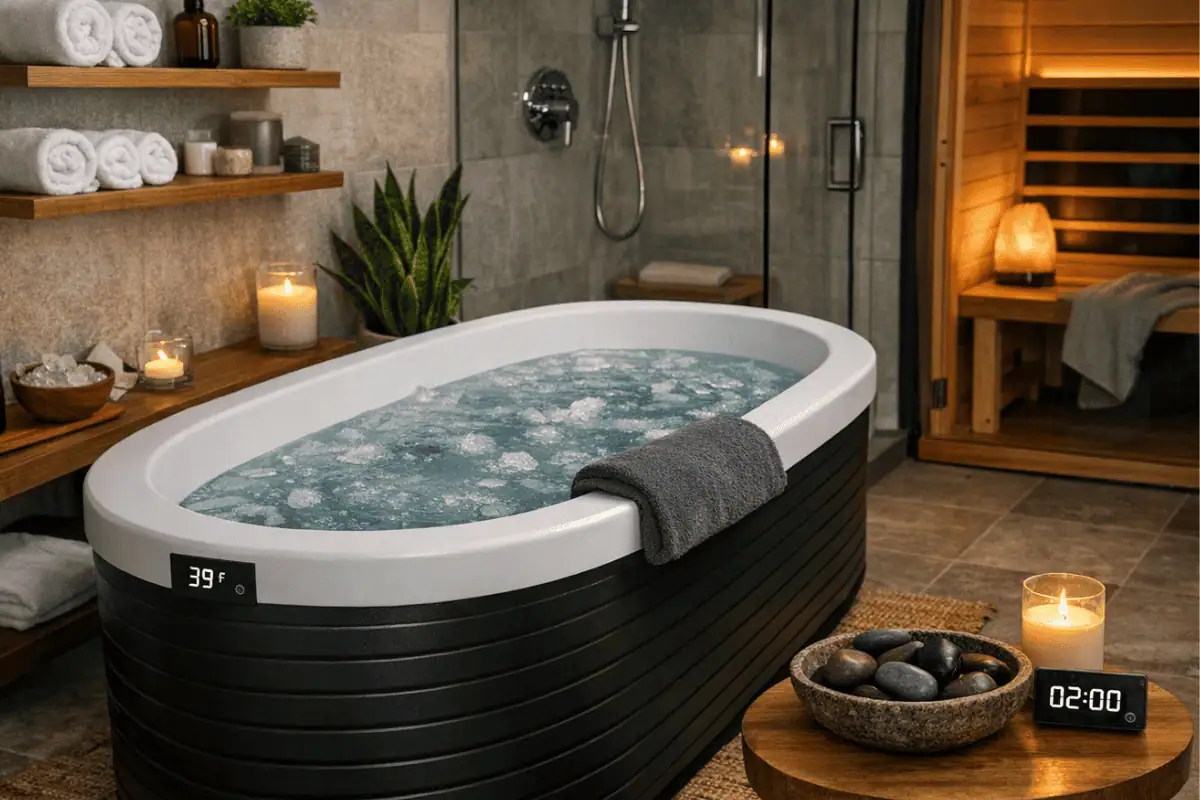
Consistency matters more than extremes. A controlled, clean setup encourages adherence and minimizes risk.
Explore Options
Compare systems and features in our complete guide. View Buyer’s Guide →
Even if your primary focus is informational and lifestyle-based, setup factors still influence outcomes: predictable temperatures, easy access, and basic hygiene routines reduce friction and make a conservative protocol easier to maintain over time.
Cold Plunge and Immune Health: A Balanced Perspective
Cold plunge therapy may influence immune signaling and inflammation through nervous system activation and circulatory effects. While it is not an immune cure, it can serve as a supportive practice when applied conservatively.
For next steps, focus on safe protocols, consistency, and integration with foundational health habits. To explore equipment options and routines, continue to the Buyer’s Guide.
If cold plunging disrupts sleep, increases fatigue, or feels harder to recover from over time, scaling back intensity or pausing is a reasonable, conservative adjustment.
