
Canuck Cold Plunge Review
Published: October 10, 2025
Last updated: January 15, 2026

Canuck Cold positions itself as a performance-oriented cold plunge brand designed for consistent home use. Rather than focusing on novelty or extreme claims, the company emphasizes durability, controlled temperatures, and systems that can support repeatable cold exposure.
This Canuck Cold plunge review evaluates the system through a conservative, evidence-based lens. The goal is to help you understand how the tub performs in real-world ownership, what responsibilities fall on the user, and whether this type of setup aligns with your routine and expectations.
If you’re building a broader cold exposure plan (not just picking a tub), it can help to review the foundational benefit and risk context first. Start here: Cold Plunge Benefits, then browse the full library on the Plunge Sage blog for protocols and safety fundamentals.
Canuck Cold Brand Positioning
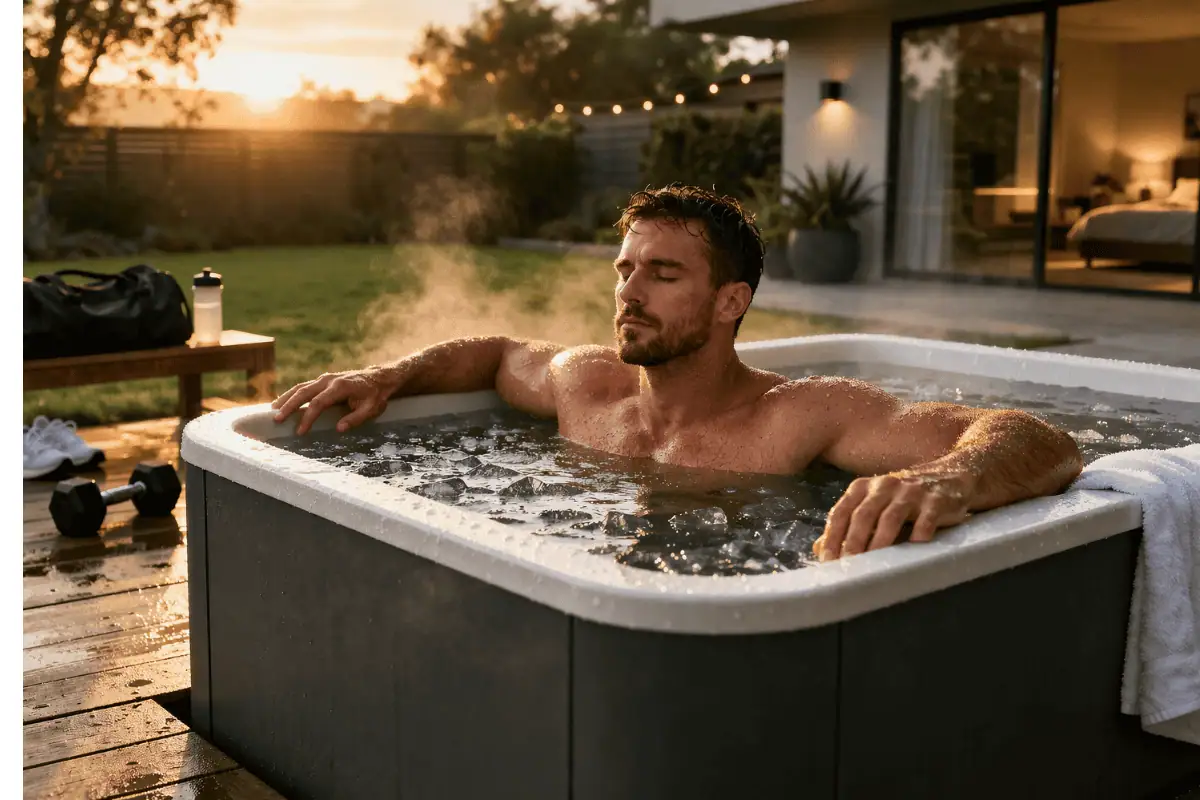
Canuck Cold primarily targets athletes, fitness-focused households, and users who intend to use cold immersion several times per week. The systems are designed to support controlled temperatures without relying on ice, which reduces daily friction compared to improvised setups.
In the broader cold plunge category, Canuck Cold sits between luxury spa-grade systems and budget DIY solutions. It emphasizes reliability and insulation over aesthetics alone, which matters for users focused on long-term consistency.
That positioning tends to appeal to buyers who care about repeatability more than experimentation. In practice, repeatability means you can set a temperature range, establish a weekly cadence, and keep the tub clean enough that you don’t “fall off” because the routine becomes too inconvenient.
A useful way to think about Canuck Cold’s niche is the “low-friction compliance” problem: cold immersion is hard enough on its own, so the system should reduce avoidable friction around cooling, water quality, and setup. If you frequently rely on ice, the routine becomes a logistics task. A temperature-controlled system shifts the work toward maintenance and hygiene rather than daily cooling effort.
Before choosing a performance-oriented tub, it helps to clarify your intended use case:
- Recovery intent: Are you using cold exposure to support a recovery routine after training, or primarily for mental training and stress resilience?
- Consistency: Will you realistically use it 3–5 times per week, or are you more likely to use it occasionally?
- Household use: Is one person using it, or multiple users with different temperature tolerance?
- Placement: Will it live indoors, in a garage, or outdoors through seasonal changes?
If you’re still weighing what “good” looks like across the category, the best high-level framing is the Buyer’s Guide, which shows how systems compare across insulation, cooling, and ownership workload: Best Cold Plunge Tubs Buyer’s Guide.
Canuck Cold Models and Build Quality

Canuck Cold offers multiple configurations, including cedar and composite-style tubs. These materials are selected to balance insulation, moisture resistance, and outdoor compatibility.
- Rigid tub walls designed to retain cold temperatures
- Interior dimensions suitable for seated or partial recline immersion
- Outdoor-rated finishes for garage or backyard placement
Compared with minimalist stock tanks, these tubs are purpose-built for immersion rather than repurposed containers.
From a decision standpoint, “build quality” matters less as an abstract concept and more as a set of practical outcomes:
- Water retention and sealing: A well-built tub should hold water without slow leaks or seepage that creates constant cleanup.
- Insulation integrity: Better insulation generally means the system works less to maintain temperature, which can reduce operating burden over time.
- Surface durability: Exterior materials should tolerate moisture, sun exposure, and routine cleaning without degrading quickly.
Cedar-style designs can appeal to buyers who want a natural look and a more “spa-like” presence, especially in a home gym or backyard wellness area. Composite-style designs often prioritize minimal upkeep and resilience in variable conditions. Neither category is automatically “better”; the key is matching the material to your environment and willingness to maintain finishes.
Practical construction details that are easy to overlook but tend to matter in ownership include:
- Entry and exit geometry: Cold exposure can make hands and feet feel less dexterous, so stable edges and a predictable step-in experience reduce preventable slips.
- Internal comfort: Users often prefer a posture that supports steady breathing—seated depth that allows shoulders to submerge without awkward compression can improve tolerability.
- Lid and heat exchange control: A well-fitting cover helps stabilize temperatures and reduces debris introduction.
If you’re new to cold immersion and still calibrating what comfort and sizing you need, it can help to review the benefits and practical expectations first: Cold Plunge Benefits.
Cooling Performance and Temperature Stability

Temperature control is one of the defining factors in any cold plunge system. Canuck Cold systems are designed to maintain cold water within a controlled range suitable for repeated exposure.
Cold exposure triggers rapid changes in heart rate and breathing patterns, which is why consistent temperature control matters. According to the Cleveland Clinic, sudden cold exposure creates a strong cardiovascular response that should be managed carefully.
Cleveland Clinic guidance on cold plunges
In practical terms, temperature stability is less about achieving the coldest possible number and more about keeping the exposure predictable. Predictability helps users build a routine, track tolerance, and reduce “surprise” stress from overly cold water on days when recovery capacity is lower.
For many beginners, a conservative approach is to start at a less intense temperature and gradually adjust colder as tolerance improves. A stable cooling system supports that by letting you choose a range that is challenging but not overwhelming. This aligns with the broader evidence-based approach to cold exposure: adaptation tends to occur over repeated exposures, not from forcing extreme intensity on day one.
It’s also worth separating three related concepts that buyers sometimes blend together:
- Cooling ability: Can the system reach and maintain a cold range appropriate for your goals?
- Stability: Does temperature remain consistent between sessions, or swing widely based on ambient conditions?
- Usability: How easy is it to set and monitor temperature without turning the process into a daily project?
Because cold exposure can create a strong “gasp reflex” and spike breathing rate in the first seconds, conservative temperature selection helps you focus on controlled entry and breathing rather than battling intensity.
Setup Requirements and Space Considerations
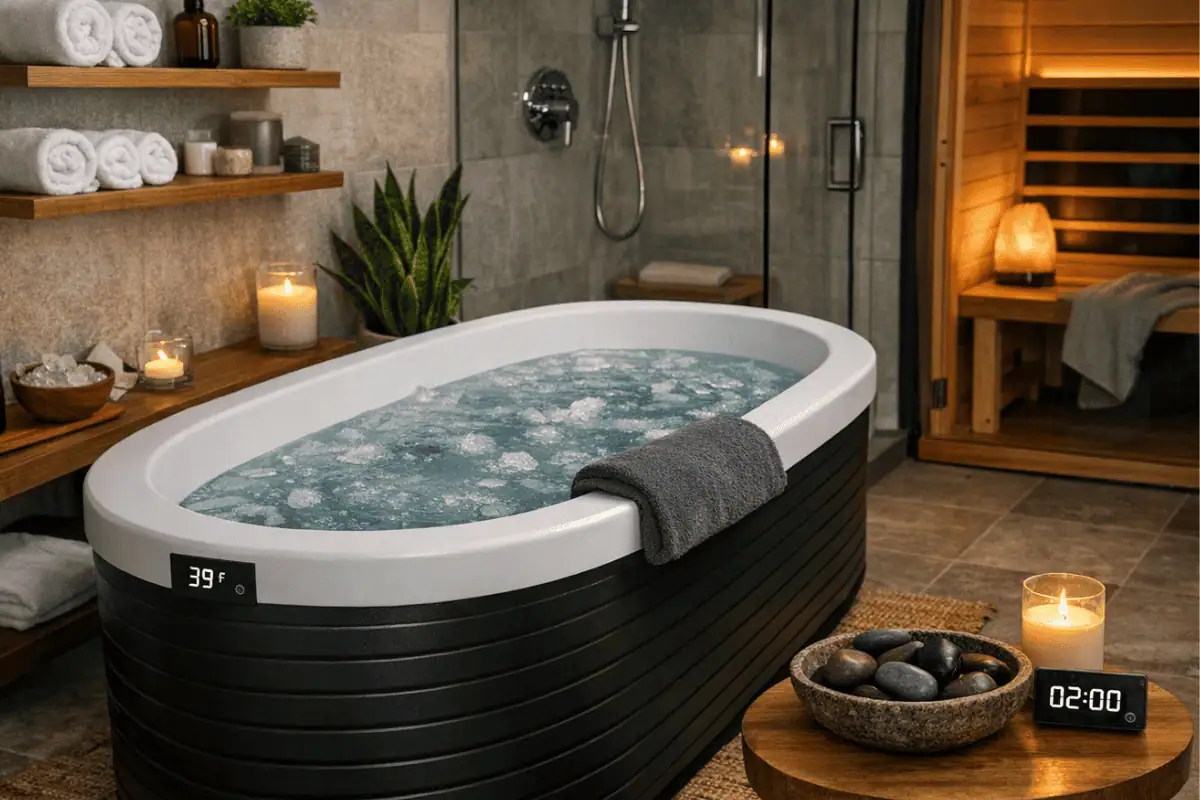
Most Canuck Cold tubs are delivered as large, heavy units that require planning before arrival. Users should account for door widths, stair access, and final placement before delivery.
Typical setup considerations include:
- Dedicated electrical outlet for cooling components
- Drainage access for water changes
- Level surface to ensure proper water depth
These requirements are comparable to other mid-to-high tier cold plunge systems.
A conservative setup plan also accounts for the “second-order” realities that affect long-term use. Cold plunges often fail as habits when the setup is inconvenient, messy, or stressful to maintain.
Cleaning, Filtration, and Ongoing Maintenance

Sanitation is one of the most overlooked aspects of cold plunge ownership. Canuck Cold systems rely on filtration and regular water changes rather than disposable ice.
Users should expect:
- Routine filter cleaning or replacement
- Periodic full water changes
- Monitoring water clarity and odor
The Mayo Clinic notes that cold water exposure does not sterilize water, making hygiene practices essential.
Mayo Clinic on cold water therapy
For most owners, the core maintenance question is simple: How much responsibility is on you versus the system? Even well-built tubs require routine hygiene. The “maintenance load” is usually a combination of filtration behavior, water change cadence, and how many users share the tub.
A conservative ownership approach includes a simple maintenance rhythm you can actually sustain:
- Before each use: Quick visual check for debris and water clarity.
- Weekly: Light wipe-down of contact surfaces and check any filtration components for buildup.
- Monthly (or as needed): Filter care/replacement and a deeper water quality assessment.
- Periodic: Full drain and refill based on usage frequency, household size, and water quality changes.
Maintenance planning is not just about cleanliness—it is also about consistency. If hygiene becomes complicated or unpleasant, people use the tub less, which reduces the value of the purchase.
If you want deeper protocol content and habit-building frameworks beyond this review, the blog index is the fastest way to browse by topic: Plunge Sage blog.
Immersion Experience and Comfort

The immersion experience in a Canuck Cold tub is defined by stable temperatures and predictable exposure. Users typically report an initial cold shock followed by rapid breathing adjustment within the first 30–60 seconds.
Controlled immersion allows users to focus on breathing and posture rather than temperature fluctuations. This aligns with research indexed in PubMed describing cold exposure adaptation over repeated sessions.
PubMed research on cold exposure adaptation
From a practical standpoint, comfort in a cold plunge is less about “feeling good” in the moment and more about being able to maintain controlled breathing without panic.
A conservative entry approach that many users find more sustainable includes:
- Settle first: Sit and stabilize breathing before fully submerging shoulders.
- Prioritize exhale control: Longer exhales can help reduce breath stacking in the first minute.
- Keep sessions modest: Early sessions can be shorter and still meaningful for adaptation.
As adaptation improves, users often report that the “shock” phase shortens and they can reach steadier breathing faster. That transition is a practical marker of increasing cold tolerance.
For routine-building, consistency usually matters more than intensity. A tub that supports predictable, repeatable sessions tends to produce better long-term adherence than one that pushes extreme exposure.
How Canuck Cold Compares to Alternatives

Compared to DIY ice baths or stock tanks, Canuck Cold offers greater consistency and less daily effort. Compared to luxury spa-grade systems, it often comes at a lower cost with fewer integrated automation features.
For a broader view of available options, see the Best Cold Plunge Tubs Buyer’s Guide.
When comparing systems, it helps to focus on decision-critical tradeoffs rather than surface-level marketing:
- Daily friction: How much work is required to keep water cold and usable?
- Maintenance load: How often do you need to clean, filter, and change water?
- Placement constraints: Does your space support the footprint, drainage, and electrical needs?
- Routine fit: Can you realistically use it at your intended frequency?
If your main concern is “which brand is best,” the Buyer’s Guide helps. If your concern is “which system will I actually use,” setup realism usually matters more.
Safety and Contraindications

Cold plunge therapy is a deliberate physiological stressor. The National Institutes of Health emphasizes that cold exposure affects cardiovascular load and peripheral circulation.
NIH overview of cold exposure physiology
Individuals with cardiovascular conditions, uncontrolled blood pressure, or fainting history should consult a clinician before use.
Safety also depends on behavior. Common avoidable issues include rushing entry, exceeding intended duration, or standing up too quickly after immersion.
A conservative safety checklist includes:
- Start warmer than expected: Progress gradually rather than chasing extreme cold.
- Avoid solo sessions early: Especially during initial adaptation.
- Exit slowly: Allow blood pressure to stabilize before walking.
- Stop if symptoms feel abnormal: Chest pain or severe lightheadedness are not normal discomfort.
For a broader discussion of benefits and realistic expectations, see: Cold Plunge Benefits.
If you have specific concerns about suitability, you can also reach out here: Contact Plunge Sage.
Total Cost of Ownership

Beyond the purchase price, owners should consider electricity usage, water costs, and replacement filters. Over time, these costs are generally lower than daily ice purchases but higher than passive tubs.
Value depends largely on frequency of use and tolerance for maintenance tasks.
In practice, the strongest value driver is consistency. If a system reduces friction enough that you use it more often, the effective cost per session improves significantly over time.
Who Canuck Cold Is Best For

Canuck Cold is best suited for:
- Users planning 3–5 sessions per week
- Athletes and recovery-focused individuals
- Households wanting a dedicated cold plunge solution
Those seeking occasional novelty use may find simpler options sufficient.
It can also be a good fit for buyers who value routine compliance. A ready-to-use system reduces decision fatigue and preparation time, which often improves long-term adherence to cold exposure protocols.
Pricing and Where to Buy

Canuck Cold systems are available directly through the manufacturer. Pricing varies by model and configuration.
If pricing is close between options, a conservative approach is to choose the configuration that best fits your available space and maintenance tolerance rather than focusing on marginal feature differences.
Canuck Cold Pricing
View current Canuck Cold plunge options and available discounts. Check pricing →
Final Verdict on Canuck Cold
This Canuck Cold plunge review highlights a system built for consistency rather than experimentation. The brand emphasizes controlled temperatures, durable construction, and repeatable use.
If you are comparing multiple systems, reviewing the full category context can help clarify tradeoffs.
Explore the Best Cold Plunge Tubs Buyer’s Guide
If you are new to cold immersion, starting with conservative temperatures and shorter sessions can help build tolerance safely before increasing intensity.
