
Plunge Cold Plunge Review

Plunge-branded cold plunge tubs are among the most recognizable systems in the cold water immersion market. They are often associated with premium positioning, polished industrial design, and an emphasis on convenience-driven ownership.
This Plunge cold plunge review evaluates the system through a conservative, evidence-based lens. The goal is not to promote or sell, but to clarify how these tubs function in real-world use, what ownership actually entails, and who they are most appropriate for.
Cold plunge therapy is a controlled physiological stressor. Because of that, the reliability of temperature control, sanitation, and maintenance demands matters far more than branding or aesthetics.
One useful way to read this review is to separate session experience from ownership reality. Session experience is what happens during 2–10 minutes of immersion. Ownership reality is what happens the other 23 hours and 50 minutes: temperature stability, water quality, noise, placement, and whether the routine feels sustainable week after week.
For broader context on how different systems compare, see our Best Cold Plunge Tubs Buyer’s Guide.
What the Plunge Cold Plunge System Is Designed To Do

Plunge tubs are fully integrated cold plunge systems designed to deliver consistent cold water immersion without the need for external chillers, ice loading, or manual temperature management.
Most Plunge systems combine:
- An insulated tub body
- Integrated chilling hardware
- Circulation and filtration components
- Digital temperature controls
The core promise is convenience: set a temperature, maintain water quality with minimal effort, and enable repeatable cold exposure sessions.
In practical terms, “integrated” matters because it reduces the number of failure points the owner has to assemble and troubleshoot. With modular setups (stock tank + external chiller), performance depends heavily on hose routing, pump matching, insulation quality, and whether the chiller can keep up with heat gain from the environment. With an integrated tub, the design intent is that chilling, circulation, and filtration operate as a coordinated system.
That said, integration does not automatically mean “hands-off.” It usually means fewer decisions (you are not selecting compatible parts) and more predictability (temperature management is less manual). The owner still has responsibilities around water cleanliness, filter changes, and reasonable placement.
When evaluating an integrated system like Plunge, decision-critical questions typically include:
- Temperature stability: Does the system hold a set temperature consistently in your climate and placement context?
- Circulation behavior: Is water moving enough to reduce stagnant zones?
- Filtration access: Are filters easy to reach and replace on a routine schedule?
- Serviceability: If something fails, can it be diagnosed and repaired without turning ownership into a project?
Cold Plunge Therapy: Physiological Context

Cold water immersion triggers rapid vasoconstriction, activation of the sympathetic nervous system, and changes in heart rate and breathing patterns.
Research summarized by the NIH and PubMed shows that controlled exposure can influence inflammation markers, perceived recovery, and autonomic regulation when used appropriately.
Because these responses are intensity-dependent, consistency and temperature accuracy are critical factors in any cold plunge system.
For many beginners, the most immediate physiological effect is the cold shock response: a fast, involuntary change in breathing pattern and a temporary spike in sympathetic arousal. This is not inherently dangerous in healthy individuals, but it is one reason conservative protocols emphasize controlled entry, shorter exposures at first, and intentional breathing.
Adaptation tends to be behavioral and physiological. Over repeated sessions, many users report that the initial breathing disruption becomes easier to manage, and the perceived “threat response” diminishes. The point is not to force tolerance, but to make the stimulus repeatable without turning each session into a willpower event.
If you want the broader benefits context (and how those claims should be interpreted conservatively), see our cornerstone page on cold plunge benefits.
Setup, Space, and Installation Considerations
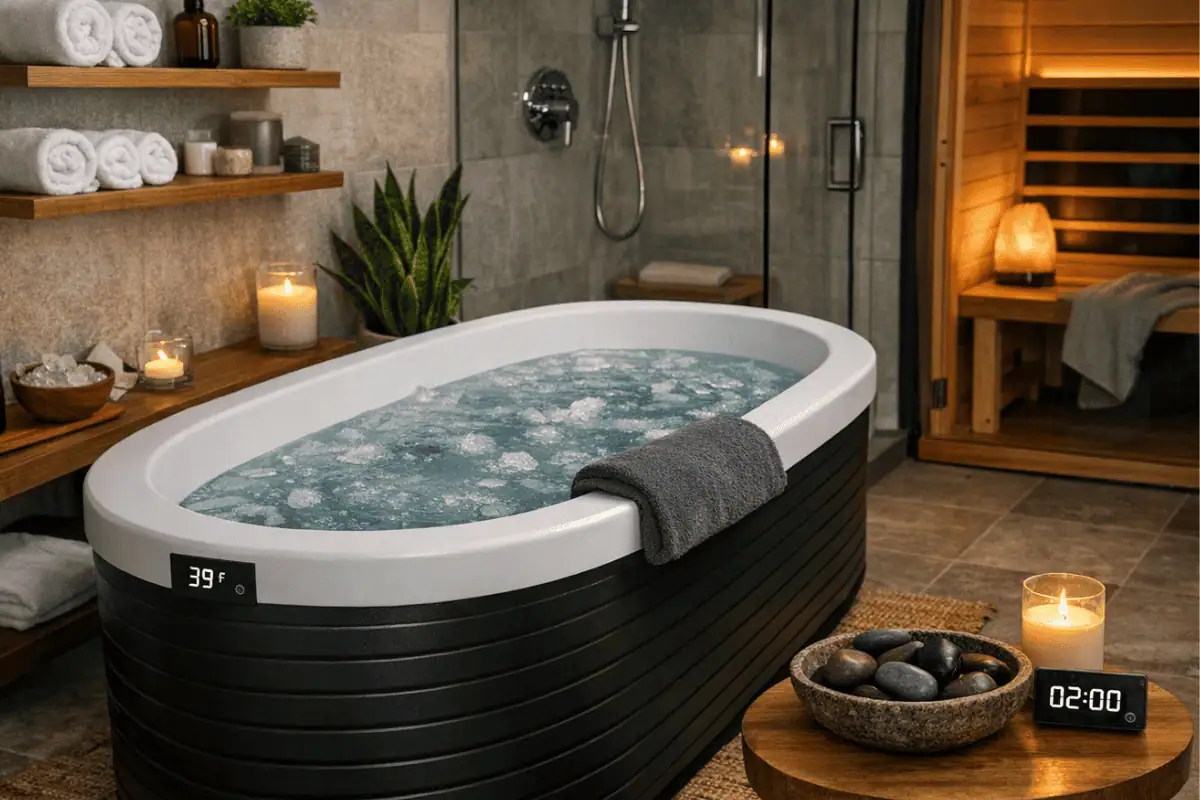
Plunge tubs are typically delivered as near-complete units. Installation generally involves:
- Electrical access (varies by model)
- Adequate ventilation for heat dissipation
- Level flooring capable of supporting filled weight
They are not plug-and-play in every home. Buyers should realistically assess space, noise tolerance, and electrical readiness before purchase.
Space planning is not only about footprint. It also includes access (can the unit fit through doors and around corners), clearance (airflow for heat exchange), and water management (where draining occurs, and how spills are handled). Even well-sealed tubs create some water-on-floor reality over time, especially for frequent users.
Placement also affects performance. Indoor placement typically reduces environmental heat gain but can increase sensitivity to noise and ventilation. Outdoor placement can be convenient and aesthetically appealing, but it adds weather exposure, debris risk, and seasonal temperature swings that can increase operational demands.
If you’re unsure whether your space is appropriate, consider reaching out through our Contact page with a simple description of your intended placement (indoor/outdoor, climate, electrical access). A conservative pre-check often prevents expensive surprises.
Temperature Control and Cold Exposure Experience

Plunge systems are designed to maintain cold water temperatures across a defined range without manual ice intervention.
From a physiological standpoint, consistency matters more than extremes. According to the Cleveland Clinic, controlled cold exposure reduces unnecessary cardiovascular strain compared to erratic temperature swings.
Most users experience:
- Initial cold shock response (first 30–60 seconds)
- Breathing normalization with controlled exposure
- Gradual acclimation over repeated sessions
For review purposes, “temperature control” is not just whether the system can get cold. It includes how predictably it stays cold across daily use, how quickly it recovers after a session, and whether the user experience feels stable from week to week. A system that drifts significantly can make routines inconsistent and harder to evaluate.
A conservative use pattern is to prioritize repeatability over intensity. Many people do better starting with shorter exposures at a milder cold setting and gradually progressing as tolerance and confidence improve. This approach reduces the likelihood of unpleasant after-effects (excessive shivering, lingering discomfort, or fatigue) that can make people abandon the habit.
When you’re comparing systems, it can help to ask: “Does this tub make it easy to run the same protocol every week?” If the answer is yes, results are easier to interpret, and the routine is more likely to become sustainable.
Water Quality, Filtration, and Sanitation

Cold temperatures slow microbial growth, but they do not eliminate it. Plunge systems rely on circulation and filtration to manage water quality.
Ownership still requires:
- Routine filter maintenance
- Periodic water changes
- Surface cleaning to prevent biofilm buildup
The Mayo Clinic emphasizes that water cleanliness is essential to avoid skin and soft tissue complications.
In practice, filtration and sanitation are where expectations most often diverge from reality. Cold water can give a false sense of cleanliness because it often remains visually clear and odor-free longer than warm water. Clarity, however, is not the same as cleanliness.
Organic material from skin oils, sweat residue, and environmental debris accumulates gradually, even in cold conditions. Without routine water replacement, these contaminants can concentrate despite filtration, particularly in systems used several times per week.
Circulation helps distribute temperature evenly and reduces stagnant zones, but it does not sterilize water. A conservative ownership approach assumes that cold plunge water should be managed proactively on a schedule, rather than reactively once issues become noticeable.
In practice, filtration and sanitation are where expectations most often diverge from reality. Cold water can give a false sense of cleanliness because it looks clear and smells neutral for longer than warm water. That does not mean contaminants are absent.
Circulation helps distribute temperature evenly and reduces stagnant zones, but it does not replace mechanical filtration or routine water changes. Over time, oils from skin, sweat residue, and environmental debris accumulate regardless of water temperature.
A conservative ownership approach assumes that cold plunge water should be treated more like pool water than bath water: monitored, filtered, and refreshed on a predictable schedule rather than “when it looks dirty.”
Maintenance Reality: What Owners Actually Manage

While Plunge systems reduce friction compared to ice-based setups, they do not eliminate maintenance.
Owners typically manage:
- Filter replacements
- Occasional draining and refilling
- Monitoring system performance
This level of responsibility is lower than DIY setups but higher than many first-time buyers expect.
Maintenance effort is best understood as recurring rather than intensive. Most tasks take minutes rather than hours, but they must be done consistently. Skipping routine steps tends to compound issues over time, particularly with filtration efficiency and water quality.
From a behavioral perspective, systems that minimize friction tend to support better adherence. When maintenance tasks are straightforward and predictable, owners are more likely to stay on schedule and preserve both hygiene and system performance.
A realistic expectation is that ownership involves a short checklist repeated weekly or monthly, not a set-it-and-forget-it experience. Buyers who accept this upfront are generally more satisfied over the long term.
Maintenance effort tends to cluster around consistency rather than difficulty. None of the individual tasks are complex, but skipping them compounds problems. Filters clog, circulation slows, and water quality declines faster than most people anticipate.
From a behavioral standpoint, systems that minimize friction tend to be used more consistently. If filter access is awkward or draining is inconvenient, owners are more likely to postpone maintenance, which eventually affects both hygiene and performance.
A realistic expectation is that ownership involves a short, recurring checklist rather than a set-it-and-forget-it experience. Buyers who accept this upfront tend to be more satisfied over the long term.
Design, Materials, and Durability Considerations
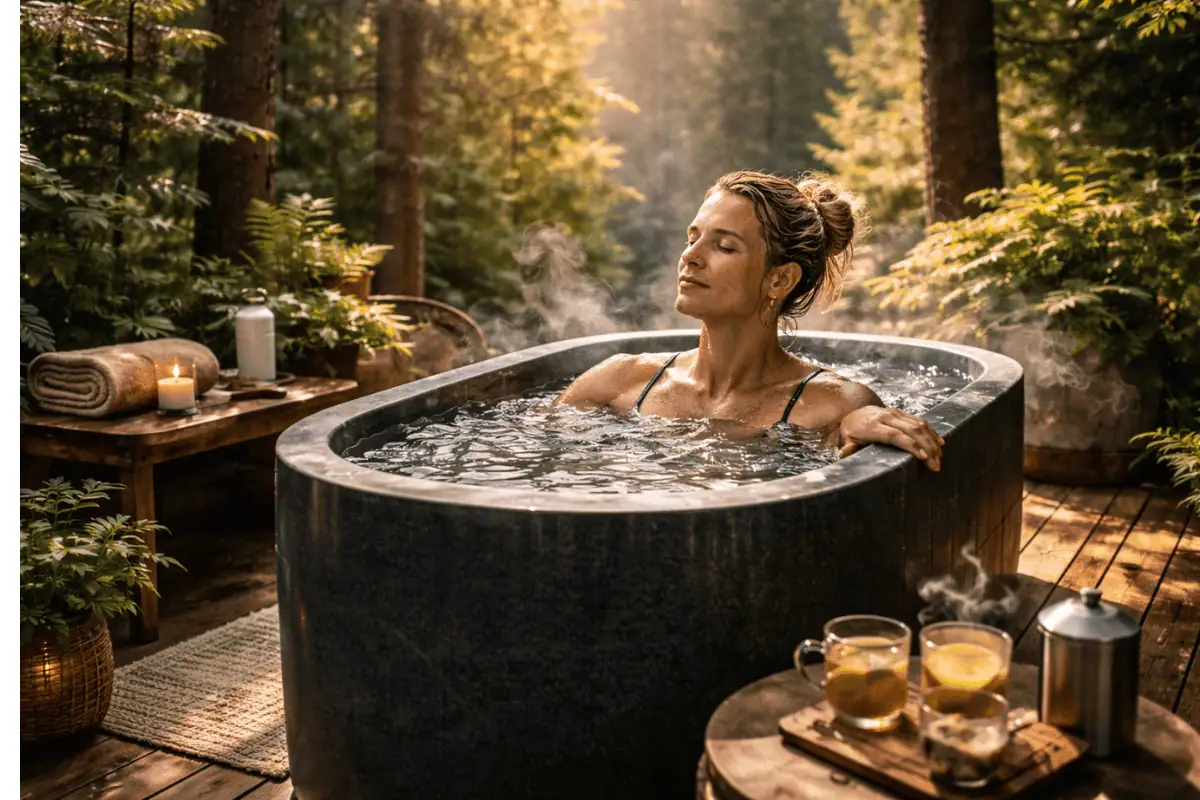
Plunge tubs emphasize modern aesthetics and indoor/outdoor versatility.
Design-forward builds can integrate well into living spaces, but buyers should consider:
- Long-term component serviceability
- Noise levels during active chilling
- Environmental exposure if used outdoors
Durability is not only about shell materials. It also includes seals, fittings, pumps, and electronics—components that experience repeated thermal cycling and moisture exposure.
For indoor users, noise and vibration can be more noticeable than expected, particularly in shared living spaces. For outdoor users, weather exposure adds another variable that can influence lifespan and maintenance frequency.
A conservative evaluation focuses less on initial appearance and more on how the system is likely to perform after hundreds of cycles over multiple seasons.
Who the Plunge Cold Plunge Is Best Suited For
Plunge systems tend to suit users who value convenience and consistency over experimentation.
They are generally best for:
- Home users committed to regular cold exposure
- Athletes prioritizing recovery routines
- Buyers unwilling to manage ice or DIY chillers
They are less well-suited for users who prefer highly customizable setups or who enjoy modifying equipment over time. Integrated systems trade flexibility for predictability.
From a mindset perspective, Plunge aligns best with users who approach cold exposure as a structured routine rather than a novelty. Those seeking experimentation, extreme temperature chasing, or frequent configuration changes may find simpler or modular setups more appropriate.
They are less well-suited for users who enjoy tinkering, modifying setups, or experimenting with unconventional configurations. Integrated systems trade flexibility for predictability.
From a maintenance perspective, they fit best with users who are comfortable with light but routine upkeep. The system supports consistency, but it does not eliminate the need for basic ownership discipline.
Limitations and Trade-Offs to Understand

No cold plunge system is without trade-offs. For Plunge tubs, these include:
- Higher upfront cost compared to DIY options
- Dependence on integrated hardware
- Less customization flexibility than modular systems
Integrated hardware simplifies ownership when it works as intended, but it also means repairs or failures are less modular. Users cannot easily swap individual components the way they might with a DIY setup.
For some buyers, this trade-off is acceptable in exchange for convenience. For others, especially those with technical backgrounds, it may feel restrictive. Understanding which camp you fall into before purchasing can prevent frustration later.
How Plunge Compares to Other Cold Plunge Options
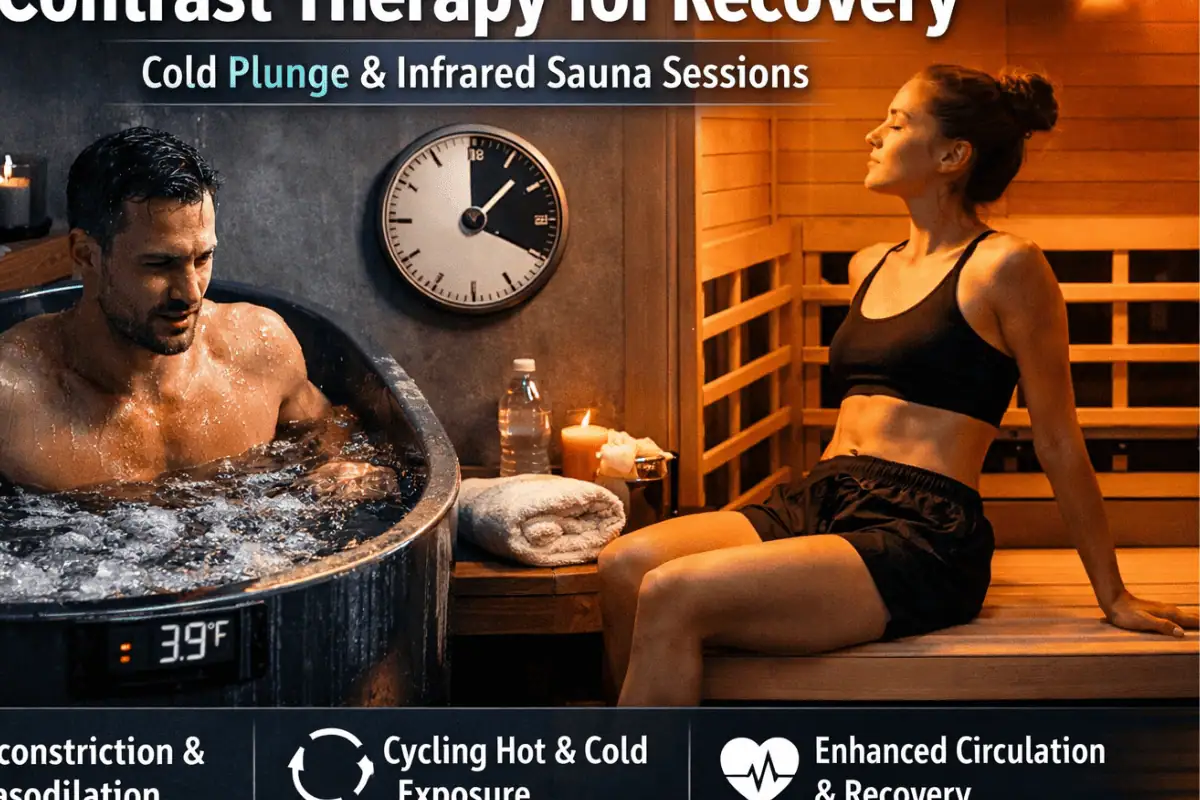
Compared to stock tanks or chest freezers, Plunge systems reduce operational complexity but increase cost.
For buyers evaluating higher-end, convenience-focused systems, it can also be helpful to review our Best Luxury Cold Plunge Tubs roundup, which compares premium options based on build quality, temperature stability, and long-term ownership considerations.
If integrated chilling performance is a primary concern, our Best Chiller-Based Cold Plunge Systems roundup provides a category-level breakdown of systems that prioritize cooling hardware and recovery consistency.
Integrated tubs remove many variables that affect DIY performance, such as insulation quality, hose routing, pump compatibility, and manual temperature management. This can make outcomes more predictable for users who prioritize consistency over experimentation.
By contrast, DIY approaches can be lower-cost and more flexible, but they place significantly more responsibility on the user to manage temperature stability, sanitation, and long-term reliability.
For a broader comparison of system categories, see our Buyer’s Guide and educational resources in the Plunge Sage blog.
Safety, Contraindications, and Use Caution

Cold plunge therapy is not appropriate for everyone.
According to guidance summarized by the Mayo Clinic and Cleveland Clinic, individuals with cardiovascular disease, uncontrolled hypertension, Raynaud’s phenomenon, or cold hypersensitivity should consult a qualified professional before use.
Even in healthy individuals, conservative protocols emphasize gradual exposure, attention to breathing, and avoiding prolonged sessions that exceed individual tolerance.
Start conservatively, monitor symptoms such as dizziness or chest discomfort, and discontinue use if abnormal responses occur.
Conclusion: Is the Plunge Cold Plunge Worth Considering?

The Plunge cold plunge system offers a convenience-focused approach to cold water immersion. It reduces many logistical barriers but does not remove the need for informed, responsible use.
For users seeking consistent, repeatable cold exposure without DIY complexity, it can be a viable option. For others, simpler or more modular setups may be more appropriate.
Viewed conservatively, Plunge fits best when cold exposure is treated as a long-term routine rather than a novelty or occasional experiment.
To compare this system against other leading options, visit our Best Cold Plunge Tubs Buyer’s Guide or explore related educational content on cold plunge benefits.
