Cold Plunge Risks & Side Effects

Cold plunge therapy is widely discussed for recovery, mental resilience, and nervous system adaptation—but it is not risk-free. Understanding cold plunge side effects and potential risks is essential before incorporating cold water immersion into a routine.
This guide takes a conservative, evidence-aligned approach. It explains what people commonly experience during cold exposure, which reactions are normal versus concerning, who should avoid cold plunging altogether, and how to reduce risk through proper usage and screening.
A helpful way to read this page is to separate expected, short-lived sensations (like a fast breathing rate or temporary numbness) from warning signs (like chest pain, fainting, or severe shortness of breath). The first category is common during adaptation. The second category is a stop signal.
If you’re building a consistent routine, consider pairing this safety overview with our broader educational library in the Plunge Sage Blog Index, where we organize beginner guides, physiology explainers, and decision-oriented equipment resources.
What Happens to the Body During Cold Exposure

Cold water immersion triggers immediate physiological responses designed to preserve core temperature and protect vital organs. These reactions are automatic and occur before conscious control.
- Rapid vasoconstriction in the skin and extremities
- Increased heart rate and blood pressure
- Cold shock response, including involuntary gasping
- Sympathetic nervous system activation
According to the National Institutes of Health, these responses are normal but can pose risks for individuals with underlying cardiovascular or respiratory conditions.
From a practical standpoint, the first 10–30 seconds often feel the most intense because the body is reacting to sudden temperature change, not just “cold.” This is why gradual entry (stepping in or sitting down in stages) can meaningfully reduce the sharpness of the initial shock for many people.
Two concepts help explain why cold plunge side effects can vary widely from person to person:
- Cold shock intensity: influenced by water temperature, speed of entry, and surface area submerged.
- Thermal load: influenced by duration, body size, body composition, and ambient environment (indoors vs outdoors).
It can also be useful to think in terms of “systems” rather than single symptoms:
- Respiratory system: sudden breathing acceleration and involuntary gasp can occur.
- Cardiovascular system: heart rate and blood pressure can rise quickly.
- Nervous system: high alert response shifts toward recovery after exit.
- Thermoregulatory system: the body tries to preserve core temperature, often followed by shivering.
These systems are connected, which is why a single change (like extremely cold water or overly long duration) can cascade into multiple side effects at once. A conservative approach usually means controlling the variables you can: entry speed, temperature, and time.
Common Short-Term Cold Plunge Side Effects

Most side effects occur during or immediately after immersion, particularly for beginners or those using very cold water.
- Shortness of breath or rapid breathing
- Dizziness or lightheadedness
- Numbness in fingers and toes
- Intense discomfort or pain
- Shivering after exit
The Cleveland Clinic notes that these effects usually resolve quickly but should not be ignored if they feel overwhelming or worsen with repeated exposure.
A conservative framing is to treat many “side effects” as signals that you may be exceeding your current tolerance. For example:
- Rapid breathing may signal the cold shock response is strong; slow entry and shorter exposure can reduce intensity.
- Dizziness can occur from breath control issues or rapid changes in circulation; exiting and warming slowly is safer than “pushing through.”
- Persistent numbness may signal excessive extremity cooling; it is a reason to end the session and rewarm.
Some sensations are common but still deserve respect:
- Skin burning or stinging in very cold water can feel alarming even when short-lived.
- Jaw tension or clenching may occur during intense cold exposure.
- Post-exit shakiness can happen as the body generates heat and circulation shifts.
If side effects become more intense over time instead of less, that pattern can suggest the routine is too aggressive (too cold, too long, too frequent) or that recovery factors (sleep, nutrition, stress load) are not supporting adaptation.
Cold Shock Response and Breathing Risks
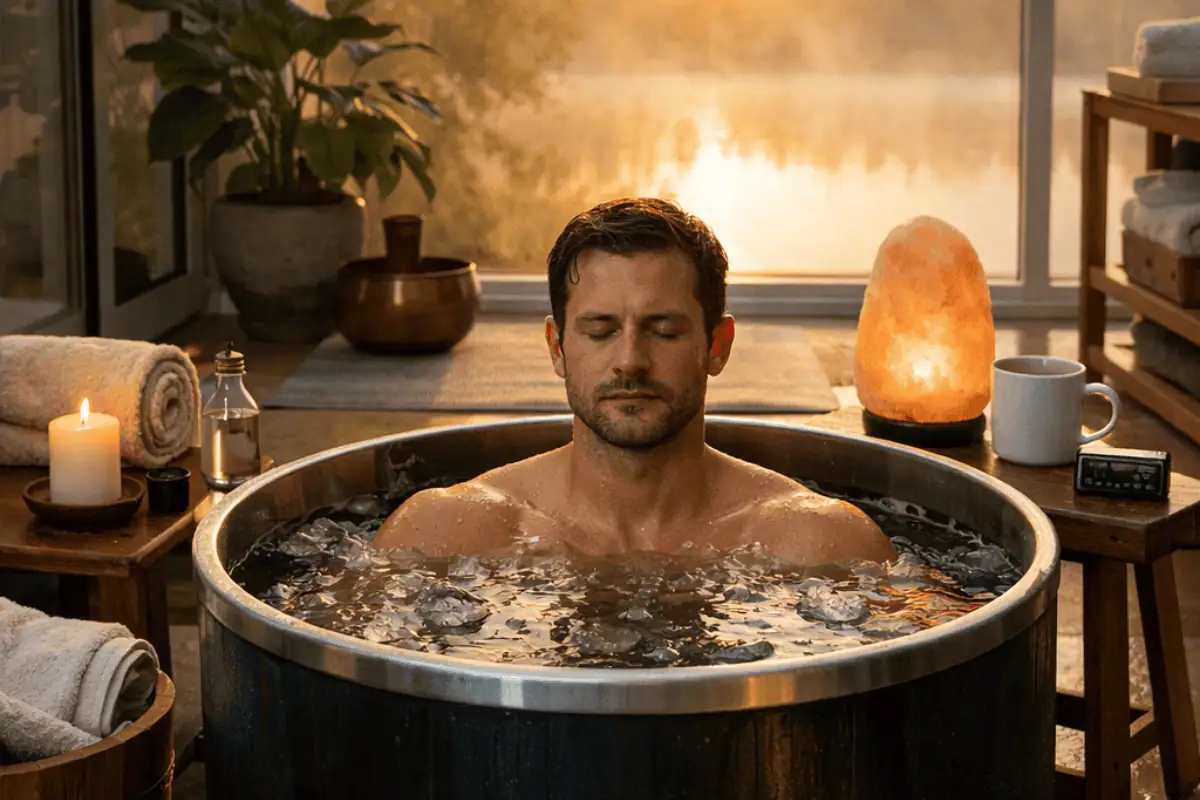
The cold shock response is one of the most significant risks of cold plunging. Sudden immersion can cause involuntary gasping and hyperventilation.
This response increases drowning risk if immersion occurs without preparation or supervision. The Mayo Clinic emphasizes controlled entry and breathing as critical safety measures.
A conservative safety baseline is to assume that the first breath or two may not be fully voluntary. This is why many safety-focused protocols emphasize:
- Entering slowly (especially on the first immersion of the day)
- Keeping the face above water until breathing stabilizes
- Avoiding breath-holding competitions or “forcing calm” through strain
Breathing control, in this context, is not about performance. It is about reducing panic signals and preventing a cycle where hyperventilation leads to dizziness, which increases risk during immersion or exit.
If you ever feel unable to regain stable breathing within a short window, treat that as a sign to exit, rewarm, and reduce the intensity next time. You can still build tolerance over time without forcing extreme conditions early.
Cardiovascular Strain and Blood Pressure Changes

Cold exposure causes a spike in heart rate and blood pressure due to peripheral vasoconstriction. For healthy individuals, this is usually temporary.
However, individuals with heart disease, arrhythmias, or uncontrolled hypertension face increased risk. PubMed-reviewed research highlights potential dangers for those with compromised cardiovascular systems (PubMed).
It can help to distinguish between expected cardiovascular effort and concerning cardiovascular symptoms.
- More common: a fast pulse, pounding heartbeat for a brief period, and a strong “alert” feeling.
- More concerning: chest pain, a sense of irregular rhythm, severe pressure, or feeling close to fainting.
Because cold can raise blood pressure temporarily, people who are monitoring hypertension should be especially conservative with temperature and duration. In many cases, a milder temperature and shorter time can still provide the experience of cold exposure while lowering strain.
If you want a broader framework for building cold exposure conservatively, our Cold Plunge Benefits page covers adaptation principles and why “more extreme” is not automatically “more effective.”
Risk of Hypothermia and Overexposure

Hypothermia occurs when heat loss exceeds heat production. While rare in short plunges, risk increases with:
- Long immersion durations
- Extremely cold water temperatures
- Low body fat or small body size
- Outdoor winter exposure
Symptoms include confusion, loss of coordination, and uncontrollable shivering. Immediate rewarming is essential.
A practical reality is that “overexposure” can occur before true hypothermia. People sometimes push past their current tolerance and experience prolonged shivering, fatigue, or poor sleep later that day. While not the same as clinical hypothermia, it can still be a sign the session exceeded what the body could comfortably recover from.
Conservative ways to lower overexposure risk include:
- Setting a hard time cap before entering (so decisions aren’t made while uncomfortable)
- Warming gradually (dry off, add layers, move lightly) rather than using extreme heat immediately
- Keeping sessions shorter when the environment is already cold (wind + wet skin increases cooling)
If you routinely need a long time to feel warm again, that is often a cue to reduce session duration, raise water temperature, or reduce frequency until adaptation improves.
Skin, Nerve, and Circulatory Concerns

Repeated cold exposure can irritate sensitive skin or exacerbate conditions like Raynaud’s phenomenon. Numbness can reduce awareness of injury.
Individuals experiencing persistent tingling, pain, or discoloration should stop cold plunging and seek medical advice.
From a conservative perspective, extremity symptoms deserve extra attention because hands and feet cool quickly. If you’re noticing frequent or prolonged numbness, consider:
- Shorter sessions or slightly warmer water
- Staying more still during immersion (moving water increases cooling)
- Ending the plunge before numbness becomes strong
Skin reactions can also vary. Some people experience dryness or irritation after repeated cold exposure, especially if they also use hot showers, sauna, or frequent exfoliation. Gentle skin care and avoiding extreme temperature swings can reduce irritation.
Who Should Avoid Cold Plunge Therapy
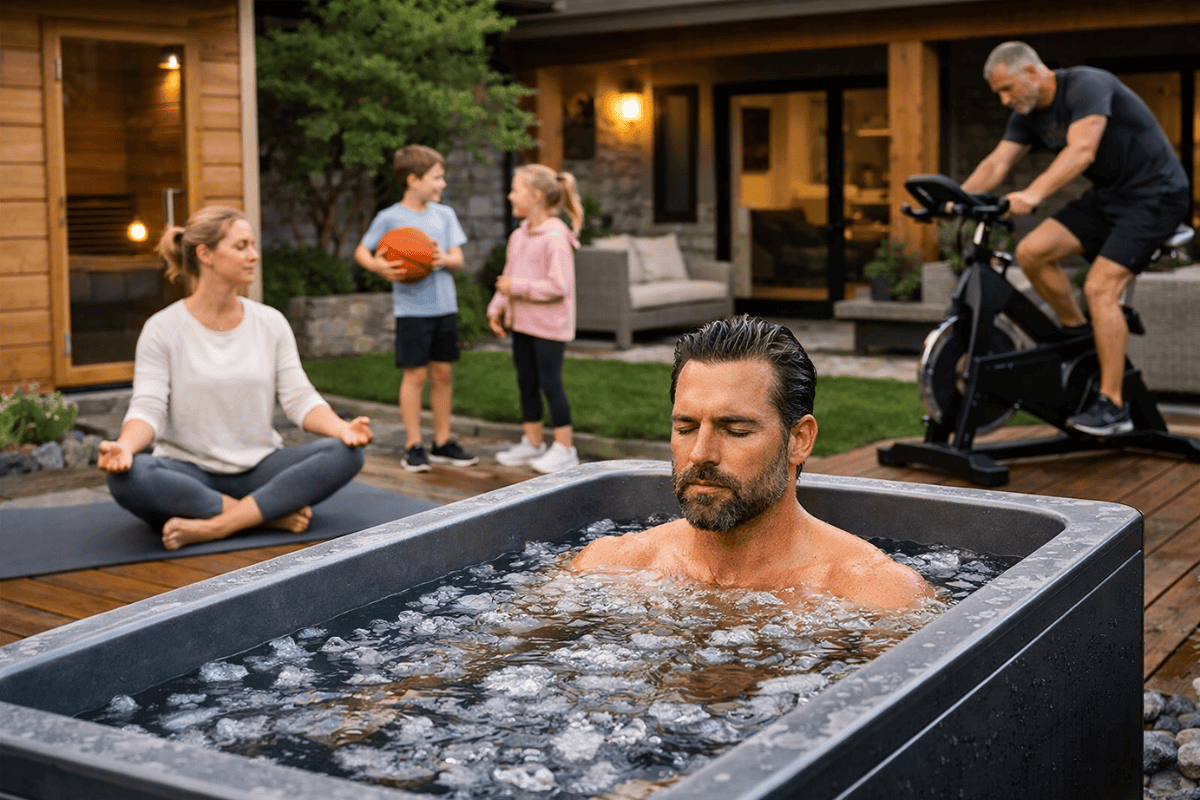
Cold plunge therapy is not appropriate for everyone. Avoid or seek medical clearance if you have:
- Heart disease or arrhythmias
- Uncontrolled high blood pressure
- History of stroke
- Asthma or respiratory disorders
- Peripheral neuropathy
- Pregnancy
This list is intentionally conservative. The goal is not to create fear, but to highlight that cold exposure can be a meaningful stressor, and certain conditions raise the downside risk.
If you’re unsure whether cold plunging is appropriate for you, a practical next step is to discuss it with a clinician familiar with your cardiovascular or respiratory history. If you want to keep your approach strictly low-risk, you can also consider alternatives (like milder cold showers or shorter, warmer immersions) as a stepping stone.
Psychological and Stress-Related Side Effects

Cold plunging can increase stress hormones temporarily. While some adapt positively, others may experience anxiety, panic, or aversion.
Gradual exposure and avoiding competitive or forced immersion reduces psychological strain.
It’s also possible to experience a mismatch between expectations and reality. People sometimes assume cold plunging “should” feel empowering immediately. In practice, early sessions can feel chaotic because the body is reacting automatically.
A conservative way to evaluate psychological side effects is to check for patterns:
- Before the plunge: dread, racing thoughts, or avoidance.
- During the plunge: panic sensations, inability to control breathing, or urge to flee immediately.
- After the plunge: irritability, shakiness that lasts a long time, or feeling “wired” late in the day.
If those patterns are consistent, it may be safer to reduce intensity rather than quitting entirely. Often, slightly warmer water, shorter duration, and predictable routines reduce the stress response while still allowing gradual adaptation.
How to Reduce Cold Plunge Risks

Risk reduction strategies include:
- Starting with milder temperatures
- Limiting duration (30–120 seconds initially)
- Controlled breathing before entry
- Never plunging alone
- Warming gradually after exit
For broader guidance, see our Cold Plunge Benefits overview and the Buyer’s Guide.
A simple conservative framework is “one variable at a time.” If you change water temperature, keep duration stable. If you increase duration, keep temperature stable. This reduces the chance that side effects spike unexpectedly.
You can also build a safer routine by standardizing your exit plan:
- Have a towel and warm layers ready before entry.
- Stand up slowly to reduce dizziness risk.
- Use light movement (walking, gentle mobility) rather than intense exercise immediately.
If you’re selecting equipment, prioritize practical safety factors: stable entry/exit, consistent temperature control, and sanitation. Our Best Cold Plunge Tubs Buyer’s Guide compares systems from a usability and long-term ownership perspective.
When to Stop or Seek Medical Advice

Stop cold plunging immediately if you experience:
- Chest pain or irregular heartbeat
- Severe shortness of breath
- Loss of consciousness
- Persistent numbness or pain
Consult a healthcare professional before continuing.
It can also be wise to pause if you notice signs that suggest you’re not recovering well between sessions, such as ongoing fatigue, poor sleep, or persistent mood changes. These do not necessarily indicate a medical emergency, but they can indicate that the routine is too intense for your current recovery capacity.
If you have questions about how to structure a conservative routine around your specific situation, you can reach out through our Contact page.
Cold Plunge vs Other Recovery Methods
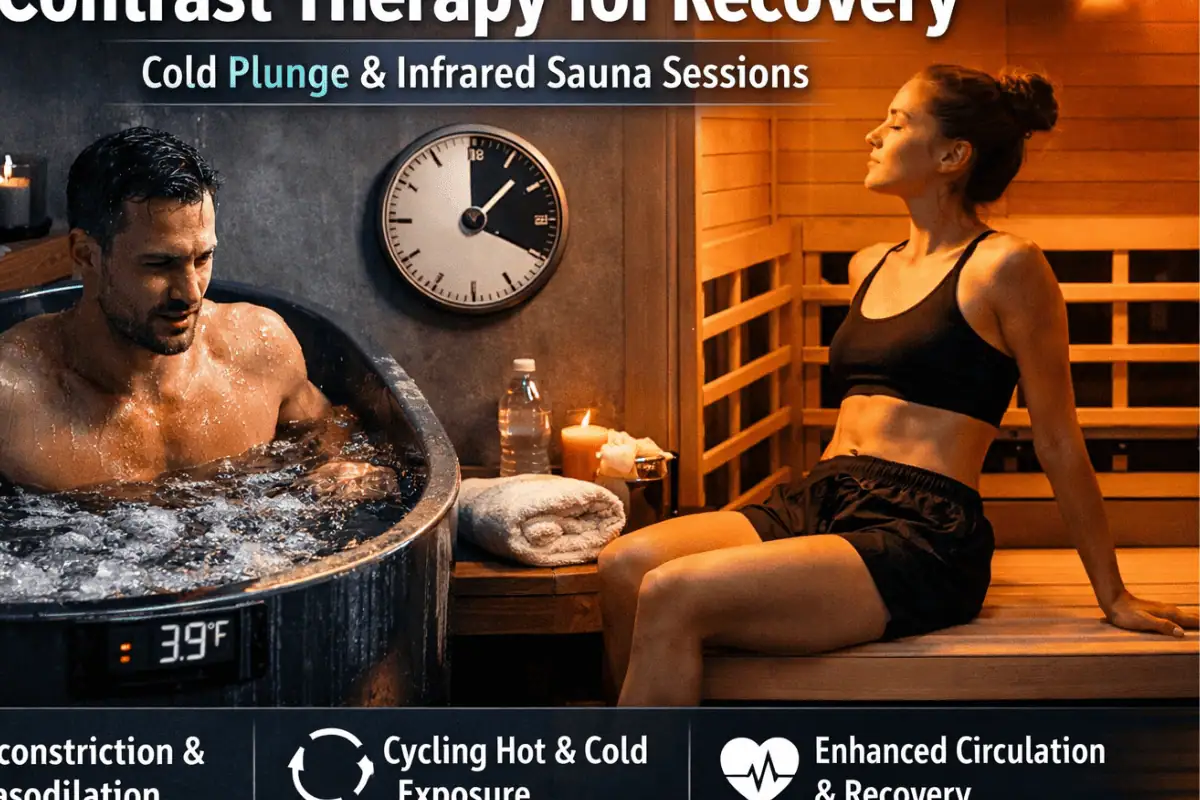
Cold plunging is one recovery option among many. Alternatives like contrast therapy, active recovery, or sauna use may provide benefits with fewer risks for certain individuals.
Exploring multiple modalities can help users choose the safest and most effective approach.
A conservative decision approach is to choose the method that best fits your risk profile and consistency:
- If cold shock is a major issue, a milder cold shower or shorter immersion may be a safer step.
- If cardiovascular concerns exist, lower-intensity recovery methods may be more appropriate unless cleared medically.
- If the goal is stress management, you may prioritize approaches that reliably reduce arousal rather than spike it.
Many people also find that the “best” recovery tool is the one they can do consistently without side effects. That can mean choosing a less intense cold protocol, or using cold exposure less frequently.
Conclusion
Cold plunge therapy carries real risks alongside potential benefits. Understanding common side effects, contraindications, and safety practices is essential before starting.
If approached conservatively, with proper screening and gradual adaptation, many risks can be reduced—but cold plunging is not mandatory for recovery or wellness.
For those exploring equipment options, compare designs and safety features in our Best Cold Plunge Tubs Buyer’s Guide, or reach out via our Contact page with questions.
If you’re unsure where to start, begin with a conservative setup and treat comfort and safety as the primary success metrics while you learn how your body responds.
