What Is Cold Plunge Therapy?

Cold plunge therapy, also known as cold water immersion, refers to the intentional exposure of the body to cold water for short periods of time. Most cold plunges involve water temperatures well below normal bathing range and are used for recovery, nervous system training, and general wellness routines.
If you’re asking what is cold plunge therapy, the simplest answer is this: it is a controlled stressor applied to the body through cold exposure, designed to trigger specific physiological responses. These responses are temporary, measurable, and highly dependent on temperature, duration, and individual tolerance.
Cold plunge therapy has moved from elite athletic environments into home wellness spaces, but it’s often discussed without sufficient context. This guide explains what cold plunge therapy actually is, how it works in the body, what people typically experience, and how it differs from related practices.
What Counts as Cold Plunge Therapy?
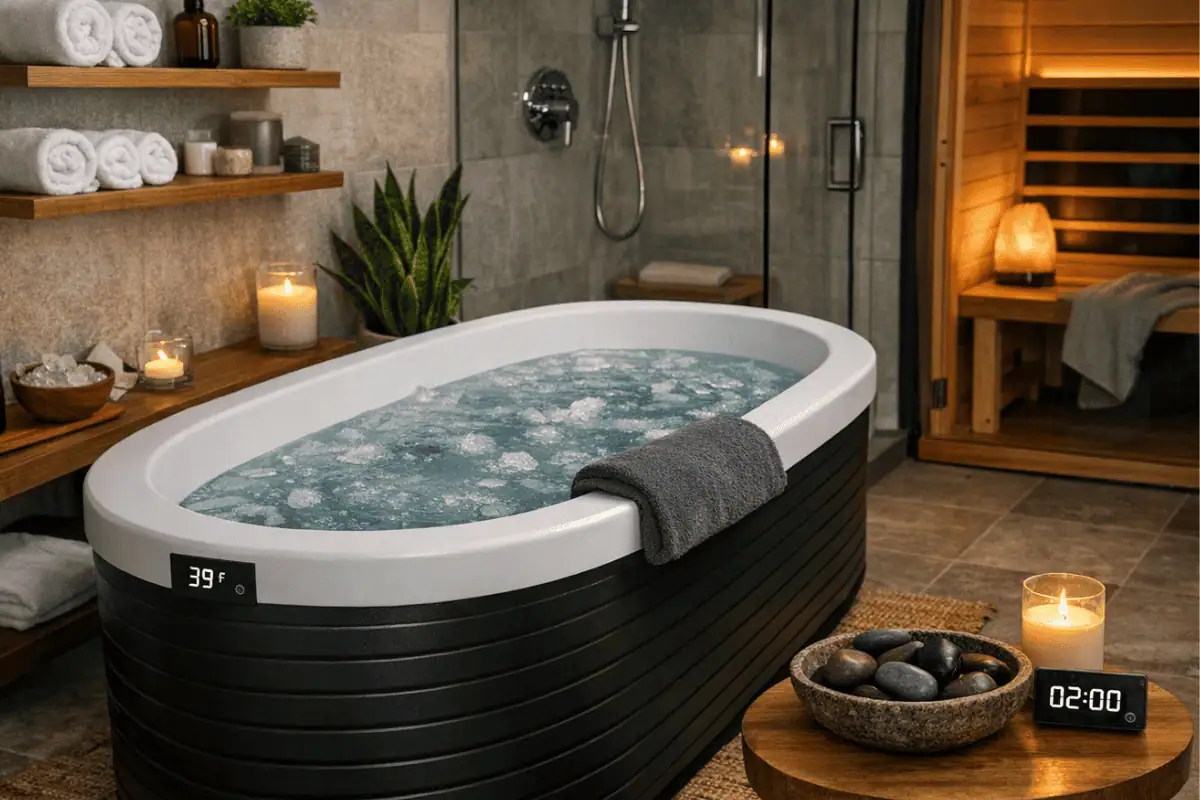
Cold plunge therapy is defined by temperature exposure, not by equipment brand or setting. Any method that immerses a significant portion of the body in cold water for a short duration can qualify.
Common cold plunge formats include:
- Dedicated cold plunge tubs (indoor or outdoor)
- Chiller-based systems connected to tubs
- Stock tanks or minimalist cold-water setups
- Natural cold water environments (with added safety considerations)
What separates cold plunge therapy from a cold shower is full or near-full body immersion. Immersion creates a more pronounced cardiovascular and nervous system response than localized cold exposure.
For a breakdown of structured cold plunge setups, see our Best Cold Plunge Tubs Buyer’s Guide.
In practical terms, three variables determine whether an experience meaningfully qualifies as cold plunge therapy: immersion depth, water temperature, and exposure time. Shallow exposure may feel uncomfortable, but it often does not create the same systemic response as immersion that reaches the torso and large muscle groups.
Many people also scale immersion deliberately. Lower-body immersion can be used as an introductory step, allowing the body to adapt gradually while still producing measurable cold exposure. Over time, deeper immersion may be introduced as tolerance improves.
Consistency also matters. A setup that produces repeatable conditions—similar temperatures, similar water depth, and a predictable entry and exit—supports safer decision-making than highly variable, improvised exposure.
Another practical distinction is intentionality. Cold plunge therapy is typically planned, timed, and entered with awareness of exit conditions and recovery. Accidental or unstructured cold exposure—such as briefly stepping into cold water without preparation—may feel similar but does not carry the same decision framework.
Typical Cold Plunge Temperature Ranges

Cold plunge therapy does not rely on a single “correct” temperature. Instead, it operates within a range that reliably produces cold-induced physiological effects.
Most cold plunges fall between:
- 50–59°F (10–15°C): Cold, but commonly tolerated by beginners
- 40–49°F (4–9°C): Strong cold stimulus with clear stress response
- Below 40°F (4°C): Advanced exposure requiring strict limits
Lower temperatures increase intensity, not benefit proportionally. Duration, breathing control, and recovery matter as much as water temperature.
For a more detailed breakdown, see the Cold Plunge Benefits overview page.
Temperature perception can also vary based on circulation, fatigue, and environmental conditions. Water agitation, airflow, and even lighting can influence how cold feels at the same measured temperature.
A conservative framework treats temperature as adjustable rather than fixed. If breathing remains uncontrolled or panic responses persist beyond the first minute, that may indicate the exposure is too aggressive for that session.
It is also common for tolerance to fluctuate day to day. Sleep quality, hydration, recent physical activity, and stress load all influence how the body responds to cold exposure.
What Happens in the Body During Cold Exposure

Cold plunge therapy creates an immediate stress response. When the body is submerged in cold water, skin temperature drops rapidly, triggering peripheral cold receptors.
This leads to:
- Rapid vasoconstriction (narrowing of blood vessels)
- Increased heart rate and blood pressure
- Activation of the sympathetic nervous system
According to the Cleveland Clinic, these reactions are normal and expected during short-term cold exposure.
After exiting the cold, the body transitions into a recovery phase marked by vasodilation and parasympathetic reactivation.
This sequence can be viewed in two phases: an initial shock phase followed by a stabilization phase. The first is where breathing disruption and heightened alertness occur; the second is where regulation becomes possible.
Circulatory shifts are most noticeable in the extremities. Hands, feet, and ears may feel intensely cold or numb before the core does. These sensations usually resolve during controlled rewarming.
The rewarming period is also part of the overall exposure. Rapid overheating immediately after cold immersion is generally discouraged in favor of gradual warming and light movement.
The Nervous System Response Explained

Cold plunge therapy is often described as “nervous system training.” This refers to how the body learns to regulate stress signals under controlled conditions.
Initial exposure commonly includes:
- Gasp reflex and rapid breathing
- Elevated alertness
- Muscle tension
With repeated, conservative exposure, many users report improved breathing control and faster recovery after cold stress. Research summarized in PubMed suggests cold exposure influences autonomic balance, though individual responses vary widely.
The emphasis is not on enduring discomfort but on practicing regulation while the stress response is active. Slow, controlled breathing during cold exposure is often cited as a practical skill developed through repeated exposure.
Shivering, jaw clenching, or involuntary muscle tension can signal that the session is approaching or exceeding current tolerance. Ending exposure before these responses escalate supports safer adaptation.
Because cold exposure can be stimulating, timing may influence sleep and perceived calmness afterward. Individual experimentation with conservative parameters is often necessary.
Common Sensations People Experience

Understanding normal sensations helps distinguish expected responses from warning signs.
Common experiences include:
- Sharp cold sensation on entry
- Numbness in hands and feet
- Rapid breathing that stabilizes within 30–60 seconds
- A warming sensation after exiting
Abnormal responses—such as chest pain, dizziness, or prolonged numbness—should not be ignored. The Mayo Clinic emphasizes gradual exposure and individual health screening.
Other commonly reported sensations include tingling during rewarming, skin redness, and temporary stiffness. These usually resolve as circulation normalizes.
Cold exposure can reduce dexterity before numbness is fully perceived. Safe exit design—non-slip surfaces, handholds, and shallow steps—reduces risk during this phase.
Any confusion, coordination loss, or lingering weakness after exit should be treated as a signal to stop and warm up fully.
Cold Plunge Therapy vs Ice Baths
Cold plunge therapy and ice baths are often used interchangeably, but they are not identical.
Ice baths typically involve:
- Loose temperature control
- Ice added manually
- Short-term athletic recovery focus
Cold plunge therapy emphasizes:
- Consistent temperature ranges
- Repeatable exposure protocols
- Broader nervous system and wellness goals
A full comparison is available in our Cold Plunge vs Ice Bath guide.
Maintenance and ownership differ as well. Ice baths are often drained frequently, while cold plunge systems kept filled require ongoing water management.
Choosing between the two often depends on whether convenience and repeatability outweigh simplicity and minimal upkeep.
Potential Benefits of Cold Plunge Therapy

Cold plunge therapy is studied for several potential effects, though outcomes depend on consistency, intensity, and individual health.
Commonly discussed benefits include:
- Temporary reduction in soreness
- Perceived mental clarity and alertness
- Short-term modulation of inflammation
The National Institutes of Health notes that cold exposure influences metabolic and vascular processes, but it is not a medical treatment.
Many reported benefits are acute rather than guaranteed long-term changes. Individual context and expectations play a large role in perceived outcomes.
For training populations, timing relative to exercise may influence whether cold exposure supports or interferes with adaptation.
Who Cold Plunge Therapy Is (and Isn’t) For
Cold plunge therapy may appeal to:
- Athletes managing training stress
- Individuals seeking structured recovery routines
- People interested in controlled stress exposure
It may not be appropriate for individuals with certain cardiovascular conditions, unmanaged blood pressure issues, or cold sensitivity disorders without medical guidance.
For safety-focused guidance, see Cold Plunge Safety & Usage.
Practical fit depends on environment and consistency. Safe entry and exit, predictable water conditions, and a clear warming plan are essential.
Long-term use also involves maintenance considerations, including water sanitation and equipment upkeep, which may influence whether cold plunge therapy is sustainable for a given household.
How Often Do People Use Cold Plunge Therapy?

Frequency varies widely. Some people plunge a few times per week, while others use brief daily exposure.
There is no universal recommendation. Duration, temperature, and recovery all interact to determine total stress load.
Our Cold Plunge Frequency Guide outlines conservative frameworks commonly discussed in research-backed contexts.
Common Myths About Cold Plunge Therapy

Cold plunge therapy is often surrounded by exaggerated claims.
Common misconceptions include:
- “Colder is always better”
- “Longer sessions mean more benefits”
- “Everyone should cold plunge daily”
In reality, controlled exposure and recovery matter more than intensity.
How Cold Plunge Therapy Fits Into a Broader Routine

Cold plunge therapy is typically one component of a broader wellness or recovery routine. It is often paired with mobility work, adequate sleep, and nutrition.
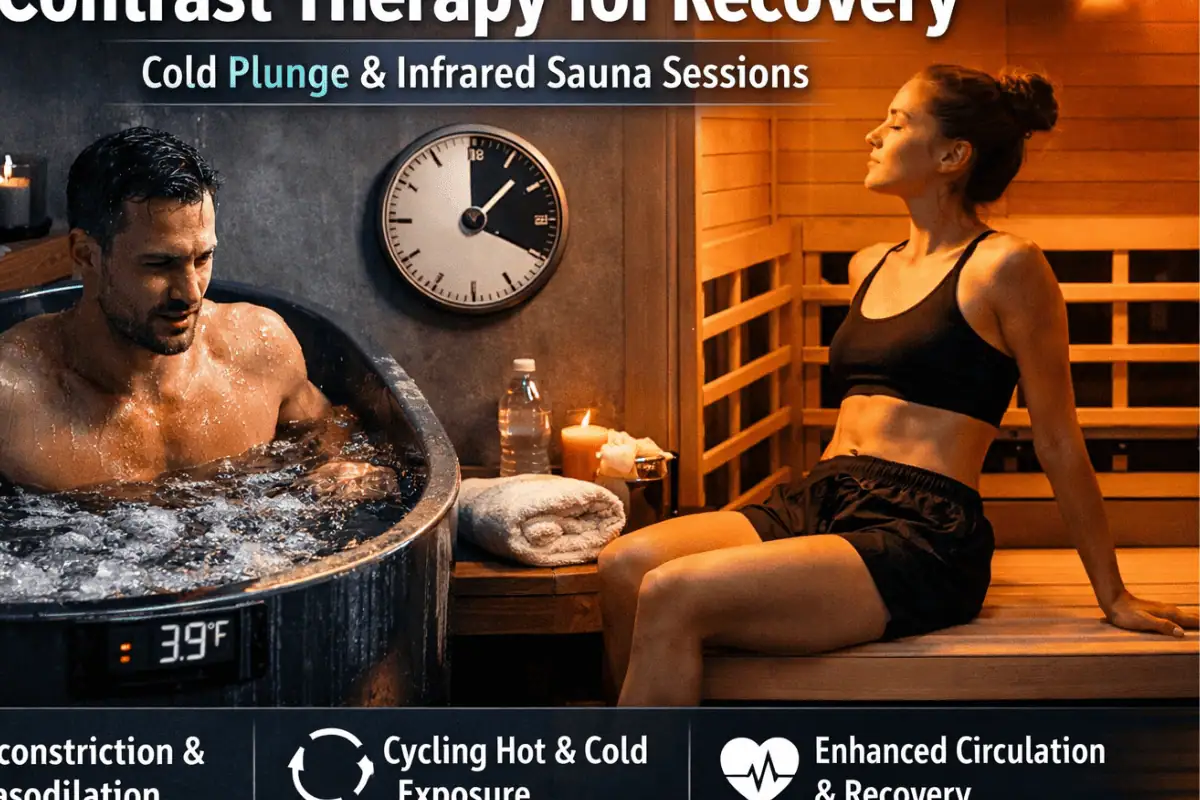
It can also be combined with heat exposure in contrast protocols, though timing and individual tolerance matter.
For a full overview of structured approaches, explore the Plunge Sage Blog.
Conclusion: What Cold Plunge Therapy Really Is
Cold plunge therapy is a deliberate, short-term exposure to cold water designed to create a controlled physiological stress response. It is not a cure, a shortcut, or a requirement—but for some, it becomes a useful tool when applied conservatively.
Understanding temperature, duration, and recovery is more important than chasing extremes. Education and safety should always come first.
If you’re considering structured options, the next step is understanding equipment differences and setup considerations.
Explore Cold Plunge Options
Compare different cold plunge systems and setups in our comprehensive guide. View the Buyer’s Guide →
