
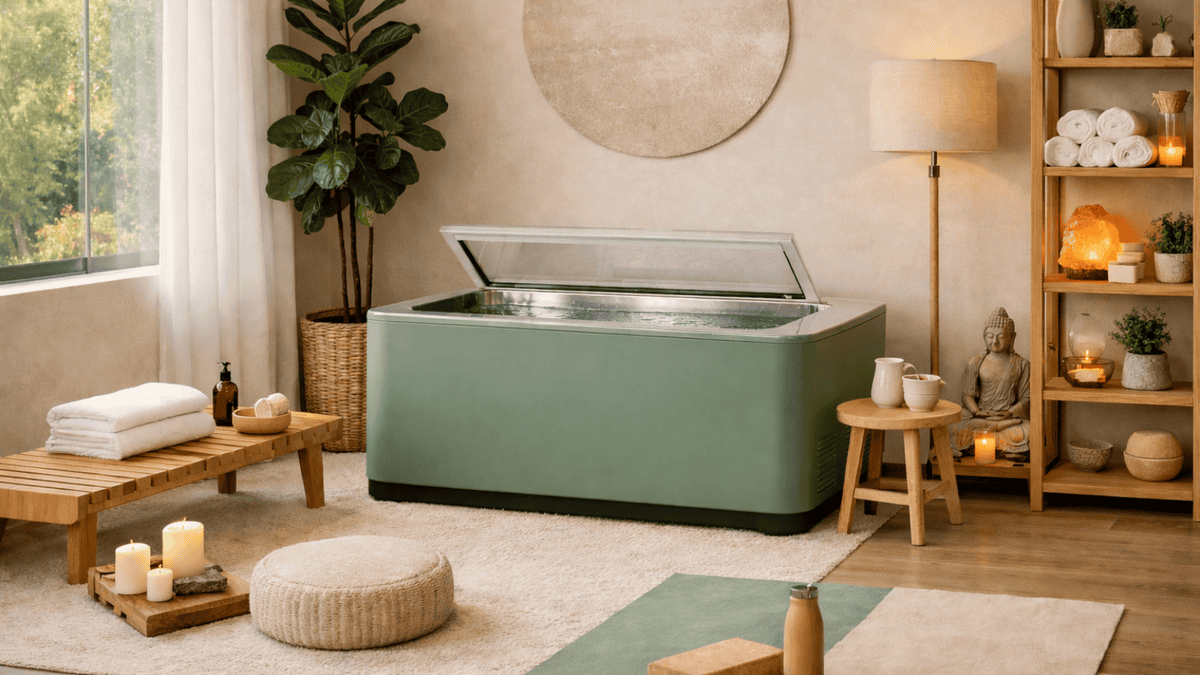
Our Mission
Plunge Sage exists to provide clear, conservative, and science-aligned guidance on cold plunge therapy. Cold water immersion has moved rapidly from niche athletic circles into mainstream wellness, but the quality of information has not always kept pace.
Our mission is simple: help people understand what cold plunge therapy actually does, how it affects the body, and how to approach it safely and intelligently—without hype, exaggeration, or pressure to buy.
We focus on education first, decision clarity second, and monetization only where it genuinely serves the reader.
That approach shapes the way we write: we aim to make unfamiliar concepts understandable, remove unnecessary jargon, and give readers a decision framework that is practical for real homes, real schedules, and real risk tolerance.
Because cold exposure can feel intense at first, we emphasize calm, incremental progress. Many people benefit most from a steady routine that respects adaptation, recovery, and individual variability rather than chasing extreme temperatures or long durations.

What Cold Plunge Therapy Is (and Isn’t)
Cold plunge therapy, often referred to as cold water immersion, involves brief exposure to cold water—typically ranging from cool to very cold temperatures—for the purpose of recovery, stress adaptation, and nervous system engagement.
At Plunge Sage, we emphasize what users typically experience rather than promising outcomes. This includes:
- Initial cold shock and rapid breathing response
- Gradual acclimation over repeated sessions
- Temporary changes in heart rate, circulation, and skin sensation
We do not present cold plunging as a cure, a shortcut, or a replacement for medical care. It is one tool within a broader wellness and recovery framework.
In plain terms, a cold plunge is not “just cold water.” It is a controlled stress exposure that triggers predictable short-term responses—especially in breathing, heart rate, and skin temperature. Those responses are normal, but they can be alarming if you have never felt them before, which is why beginner-friendly guidance matters.
Cold plunge therapy is also not defined by one specific temperature. What feels “cold” to one person may feel merely “cool” to another, especially depending on body size, acclimation history, and whether the person is entering after exercise or after a warm shower. For most readers, the key is not chasing a number; it is learning how to recognize a safe intensity and build tolerance gradually.
We also draw a clear line between cold plunging and risky cold exposure. Unsupervised open-water swims, alcohol-influenced winter dips, or prolonged exposure without exit planning are not the same thing as a brief, intentional cold plunge. A safe cold plunge setup is designed around controlled entry, controlled duration, and a predictable exit.

Our Evidence-First Philosophy
Every piece of content on Plunge Sage is written to align with current scientific understanding and reputable medical guidance. We rely on observational accuracy, physiological explanation, and conservative interpretation of research.
When discussing mechanisms, we focus on well-established responses such as:
- Vasoconstriction and vasodilation
- Autonomic nervous system activation
- Hormonal and stress-response signaling
Where research is still emerging or mixed, we say so clearly. We regularly reference institutions such as the National Institutes of Health, PubMed, Cleveland Clinic, and Mayo Clinic to ground our explanations in established medical knowledge.
Evidence-first does not mean “cold plunging works the same way for everyone.” It means we prioritize what is most consistently supported: the acute physiological response to cold exposure, the role of gradual acclimation, and the safety constraints that remain important even for experienced plungers.
Our default tone is conservative by design. If a claim cannot be explained plausibly through known physiology and supported by reputable sources, we either omit it or label it as uncertain. That keeps the site useful for readers who want grounded guidance rather than motivational hype.
When we discuss “how it feels,” we describe common patterns: the initial gasp reflex, the urge to tense up, the way the skin can feel numb or burning, and how breathing control often becomes the practical skill that determines whether a session feels manageable. Those are not personal anecdotes; they are widely reported responses consistent with what cold shock research and clinical guidance describe.

Safety Comes First
Cold exposure is a physiological stressor. While many healthy individuals tolerate it well, it is not appropriate for everyone and should never be approached recklessly.
Plunge Sage prioritizes:
- Clear discussion of contraindications
- Normal vs. abnormal physiological responses
- Gradual exposure and adaptation principles
We encourage readers to review our dedicated safety resources and consult qualified healthcare professionals when appropriate. You can explore this further on our Cold Plunge Safety & Usage page.
In practice, “safety-first” means we talk about the real friction points that lead to bad outcomes: entering too cold too fast, staying in too long, plunging alone when you are inexperienced, and confusing discomfort with danger without having an exit plan.
We also treat certain populations with extra caution. People with known cardiovascular conditions, a history of fainting, or unmanaged blood pressure concerns should be especially careful because cold shock can cause rapid changes in breathing and heart rate. That does not automatically mean cold exposure is forbidden, but it does mean the decision belongs in a cautious, medically informed context.
We emphasize skill-based safety—not bravado. Breathing control, a stable entry strategy, a reliable timer, and a warm, dry recovery plan matter more than pushing extremes. Even for healthy adults, the safest progression is typically “shorter and warmer first,” then gradually building tolerance over time.
Finally, we are explicit about abnormal responses. Persistent chest pain, severe dizziness, confusion, or loss of coordination are not “normal cold discomfort.” Those are stop signals. A conservative site should make those boundaries clear so readers can recognize when to end a session immediately and seek help.

How We Evaluate Products
When Plunge Sage reviews or compares cold plunge tubs and systems, our evaluations follow a consistent framework focused on real-world considerations rather than marketing claims.
We examine factors such as:
- Temperature control and consistency
- Build materials and insulation
- Cleaning and maintenance requirements
- Footprint, setup, and long-term usability
Products are only monetized when an official affiliate relationship exists and is transparently disclosed. Editorial-only brands are clearly identified as such.
For readers comparing options, our primary hub is the Best Cold Plunge Tubs Buyer’s Guide.
Our product evaluation lens starts with ownership reality: if a system is difficult to keep clean, hard to place in a typical home, or expensive to operate, those issues matter as much as initial performance.
Temperature control is not just about reaching a cold number; it is about stability across repeated uses. A tub that warms quickly, struggles in hot weather, or lacks adequate insulation may require more ice, more electrical load, or more frequent cycling—each of which can change the practical cost of ownership.
We also care about maintenance systems and support. Many buyers underestimate sanitation needs, filtration requirements, and the ongoing effort required to keep water clean and pleasant. A great-looking tub that is unpleasant to maintain often becomes underused. Clear information about water care and upkeep helps readers choose an option they can realistically sustain.
Finally, we consider “fit” rather than declaring a single best tub for everyone. The right setup depends on how you plan to use it (post-training recovery vs. general resilience), where you plan to place it (indoor bathroom vs. garage vs. outdoor patio), and what level of routine maintenance you are willing to do.
Transparency & Trust
Trust is foundational to everything we publish. Plunge Sage maintains clear boundaries between education, editorial analysis, and monetization.
Our commitments include:
- No fabricated personal experience claims
- No medical advice or prescriptions
- Clear affiliate disclosures where applicable
- Consistent editorial standards across all content
You can review our editorial principles on the Editorial Standards page and learn more about how we operate on our Affiliate Disclosure page.
Transparency also means we avoid hidden persuasion. If a link is an affiliate link on a commercial page, it is disclosed. If a brand is discussed editorially without an affiliate relationship, we keep the language informational and avoid discount or “buy now” framing.
We aim to be consistent across the site so readers know what to expect. Educational pages emphasize safety, mechanisms, and decision logic. Commercial pages use clear evaluation frameworks and disclose monetization plainly. That separation helps protect trust and keeps the content aligned with reader intent.
We also update content as the category evolves. Cold plunge equipment, filtration approaches, and mainstream guidance change over time. When we revise pages, we focus on clarity, safety, and accuracy rather than chasing trends.
Who Plunge Sage Is For
Plunge Sage is designed for people who value clarity over hype and patience over extremes. This includes:
- Beginners looking for safe, grounded guidance
- Athletes evaluating recovery tools realistically
- Health-conscious individuals seeking stress resilience
- Homeowners comparing long-term cold plunge options
If you’re new to the topic, the Plunge Sage Blog offers educational starting points, while our cornerstone pages provide deeper frameworks.
We are especially for readers who want a structured approach: what to do first, what to watch for, how to adjust over time, and how to choose equipment that matches their lifestyle instead of fighting it.
Get in Touch
We welcome thoughtful questions, corrections, and feedback. While we can’t provide individualized medical advice, we value reader input and use it to improve clarity and coverage.
If you’d like to reach out, please visit our Contact page.
Plunge Sage is built to grow slowly, responsibly, and transparently—just like effective cold adaptation itself.